Markle Arrest Shocks Global Media while AI Stocks Rebound from Trillion-Dollar Midterm Rout
بازداشت جنجالی پدر مگان مارکل در آمریکا و بازگشت سبز سهام هوش مصنوعی به بازارهای جهانی
Global headlines are dominated by the arrest of Thomas Markle in Florida on serious charges, while financial markets witness a 'violent' rebound in AI stocks following a massive sell-off triggered by US midterm results. Meanwhile, Tehran dismisses regional security allegations as gold prices see a slight cooling trend.
At time of publishing
USD
267,800
Toman
Gold 18K
25.83M
Toman / gram
Bitcoin
$75,685
US Dollar
Tether
268,951
Toman
Global Media Shock: Thomas Markle Arrested in Florida
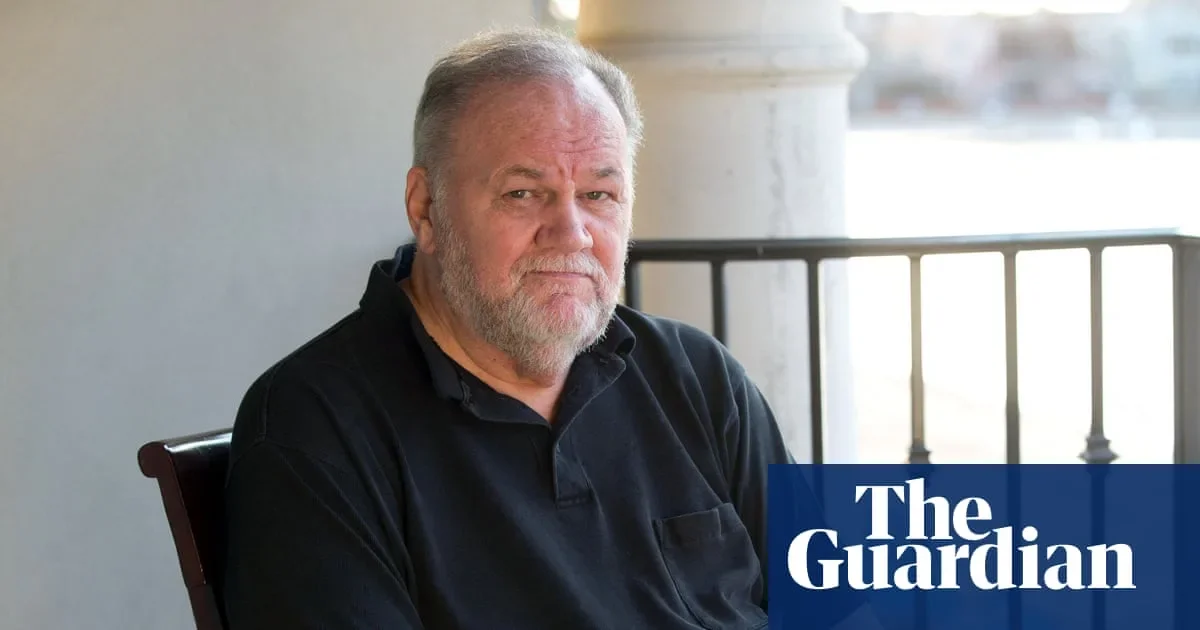
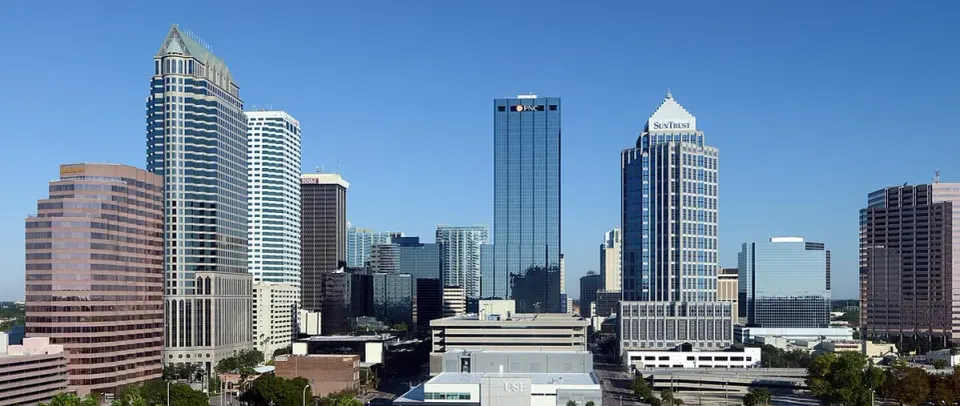
In a development that has sent shockwaves through international media circles, Thomas Markle, the 82-year-old father of the Duchess of Sussex, was arrested by federal agents in Florida early Friday. Prosecutors in Tampa confirmed that the arrest is related to charges involving child sexual abuse material, a stunning fall from grace for a figure who has been a constant, if controversial, fixture in the tabloid narrative surrounding the British Royal Family. The arrest comes at a time of heightened scrutiny for the Markle family, further complicating the already strained relationship between Meghan and her father.
While this story may seem distant from the financial hubs of Tehran, such high-profile legal scandals involving Western public figures often serve as significant fodder for Iranian state media to highlight perceived social and moral decay in the West. For the general public, it represents a massive distraction in the global news cycle, potentially shifting focus away from pressing geopolitical tensions in the Middle East. The legal proceedings in Florida are expected to be lengthy, and the federal nature of the charges suggests a rigorous investigation that will likely keep this story in the headlines for months to come.
Tehran Denies Chemical Weapons Claims Amid Regional Diplomacy
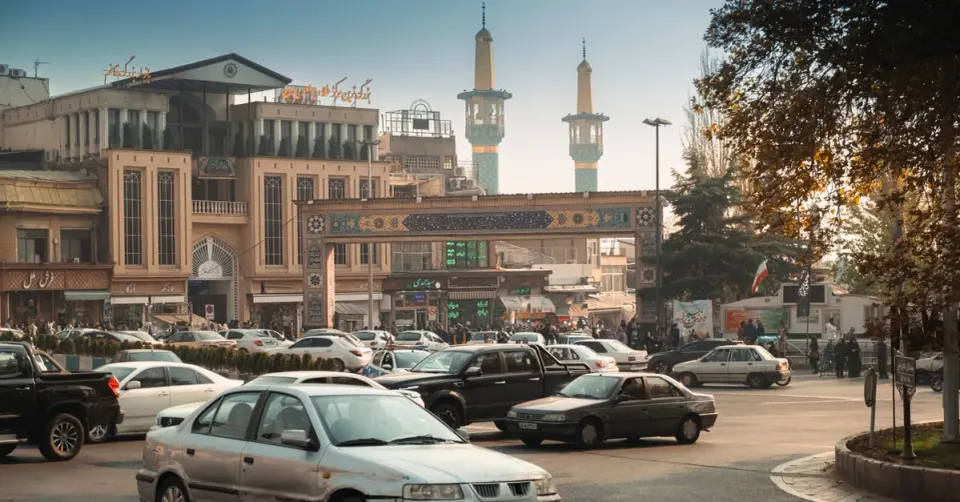
In the regional sphere, the head of the Iranian Parliament’s National Security and Foreign Policy Committee, Ebrahim Azizi, has formally rejected claims originating from Israeli officials regarding Iran's alleged intent to use chemical weapons. According to reports from IRNA, Azizi dismissed these allegations as "baseless" and part of a broader psychological warfare campaign orchestrated by Tel Aviv to justify further escalations. This denial comes as Tehran attempts to maintain a firm stance against what it describes as Western and Israeli disinformation aimed at destabilizing the region's fragile security balance.
Simultaneously, Iranian Foreign Minister Abbas Araghchi has been active on the diplomatic front, holding high-level phone consultations with his counterparts in Iraq and Tunisia. These discussions, occurring today, جمعه ۱۵ آبان ۱۴۰۵, focused on regional stability and the ongoing humanitarian crises in the Middle East. By engaging with regional neighbors like Fuad Hussein of Iraq, Tehran is signaling its intent to build a collective diplomatic shield against external pressures, even as the shadow of the US midterm election results continues to influence market sentiment and geopolitical posturing across the Persian Gulf.
Trillion-Dollar Rebound: AI Stocks Rally After Midterm Rout
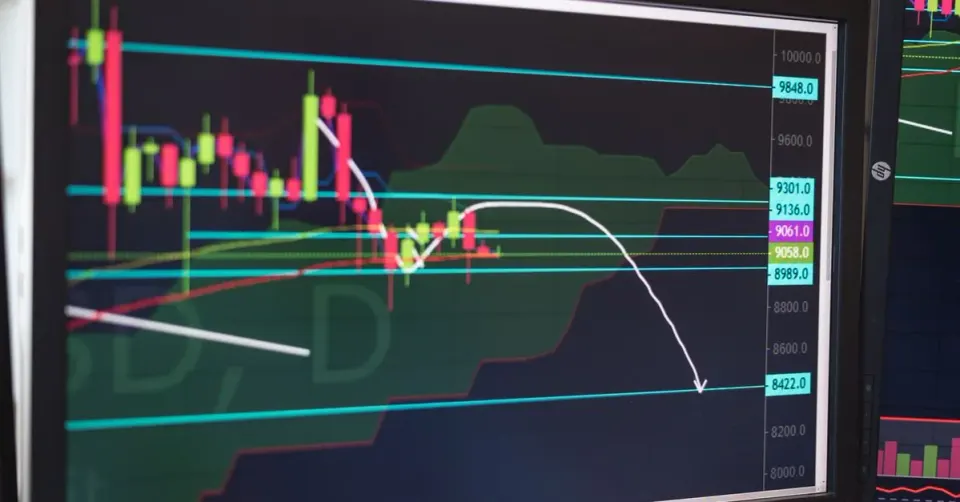
Global financial markets are witnessing a significant relief rally as AI and semiconductor stocks, including industry giants like Nvidia and AMD, began to recover from a brutal sell-off. Earlier this week, trillions of dollars were wiped from market valuations as investors panicked over the potential for stricter AI regulations following a Democratic sweep in the US midterms. However, the narrative shifted today as institutional buyers moved back into the sector, betting that the fundamental growth of AI infrastructure remains intact despite political shifts in Washington. The recovery suggests that while regulation is a concern, the technological momentum of the AI sector is too powerful for investors to ignore for long.
For Iranian investors and crypto enthusiasts, this rebound provides a much-needed stabilize for global risk appetite. The volatility in US tech stocks often correlates with movements in the crypto market and, by extension, the informal exchange rate of the USD in Tehran. As AI stocks climb, the initial fear of a global economic slowdown or a "tech bubble burst" has partially subsided, allowing markets to breathe. However, analysts warn that the volatility is far from over, as the implementation of the CLARITY Act and other regulatory frameworks will continue to be a focal point for the remainder of the year.
Energy Shift: Hormuz Crisis Accelerates Global Renewable Drive
According to a new report from the International Energy Agency (IEA), the ongoing security crisis in the Strait of Hormuz is acting as an unexpected catalyst for the global transition to renewable energy. The IEA forecasts that 4,800 GW of new renewable capacity will be added globally by 2031, with emerging markets outside China playing a massive role. The volatility in fuel prices and the constant threat to traditional shipping lanes in the Persian Gulf have made energy security a top priority for governments worldwide, leading to a massive surge in investment for wind, solar, and nuclear projects as alternatives to vulnerable oil routes.
In the domestic market, the impact of these global shifts is reflected in the cooling of gold and currency prices. On this Friday, جمعه ۱۵ آبان ۱۴۰۵, the price of 18k gold in Tehran moved from 26,086,153 to 25,834,526 Toman, a decrease of 1.0%. Similarly, the US Dollar saw a slight dip from 268,200 to 267,800 Toman (-0.1%). This minor correction suggests that the local market is reacting to a temporary stabilization in global tensions and the rebound in international equities, providing a brief window of calm for Iranian consumers and traders alike.
Watch
Meghan's father Thomas Markle arrested over child sex abuse material allegations | BBC News
BBC News
Frequently Asked Questions
Why is the arrest of Thomas Markle relevant to financial news?
Why did AI stocks rebound after such a massive sell-off?
What is the significance of the IEA's 4,800 GW renewable energy forecast?
How did the Tehran gold market react to today's news?
Understanding Geopolitical Risk and its Impact on Financial Markets
Geopolitical risk refers to the possibility of political events, conflicts, or instability in one region affecting economic and financial conditions globally. These events can range from international disputes, trade wars, elections, and policy shifts to natural disasters or terrorist acts. Unlike traditional economic indicators, geopolitical risks introduce a layer of unpredictability that can significantly influence investor sentiment, commodity prices, and the overall stability of financial markets. A crisis in a major shipping lane, for instance, can disrupt global supply chains and spike energy costs, impacting everything from manufacturing to consumer prices.
The mechanisms through which geopolitical risks transmit to financial markets are diverse. For example, a crisis in the Strait of Hormuz, a crucial choke point for global oil shipments, immediately raises concerns about oil supply, leading to volatility in crude prices and potentially broader inflation. Similarly, the outcome of significant political events, like the US midterm elections, can signal future policy directions concerning trade, regulation, or government spending, prompting investors to re-evaluate the prospects of various sectors, from technology (like AI stocks) to renewable energy. Uncertainty often leads to a "flight to safety," where investors move capital into assets perceived as less risky, such as gold, which explains why its price might fluctuate significantly during times of regional tension.
For companies, geopolitical risks can manifest as disruptions to their supply chains, increased operational costs due to tariffs or sanctions, or reduced market access. For instance, a technology company heavily reliant on global components might face challenges if trade relations sour between key manufacturing hubs. Conversely, a resolution to a political standoff or a clear policy outcome can alleviate uncertainty, leading to a "rebound" in previously beaten-down sectors as investor confidence returns. This dynamic highlights why understanding the broader global political landscape is as crucial for market participants as analyzing company fundamentals.
In essence, financial markets are not isolated from the world's political realities. The interplay between geopolitical events and market performance is constant and complex, requiring investors and policymakers alike to monitor global developments closely. Recognizing these connections helps in anticipating potential market shifts and understanding the underlying forces that drive asset prices, from the value of gold in Tehran to the performance of AI stocks in New York.
Topics
Related Articles