Blue Wave Hits Mississippi as Trump Taps Hardliner Miller; Tehran Markets Dip on US Midterm Shifts
پیشروی دموکراتها در میسیسیپی و انتصاب «میلر» تندرو؛ واکنش آرام بازار تهران به زلزله سیاسی واشینگتن
A stunning Democratic surge in the US midterms puts a ruby-red Senate seat in Mississippi at risk, while Donald Trump pivots to hardline aide Stephen Miller as his new Chief of Staff. These shifts are sending ripples through global energy markets and Tehran's currency desks as the Blue Wave complicates the future of sanctions.
At time of publishing
USD
267,500
Toman
Gold 18K
25.89M
Toman / gram
Bitcoin
$75,690
US Dollar
Tether
268,892
Toman
The Blue Wave Reaches the Deep South
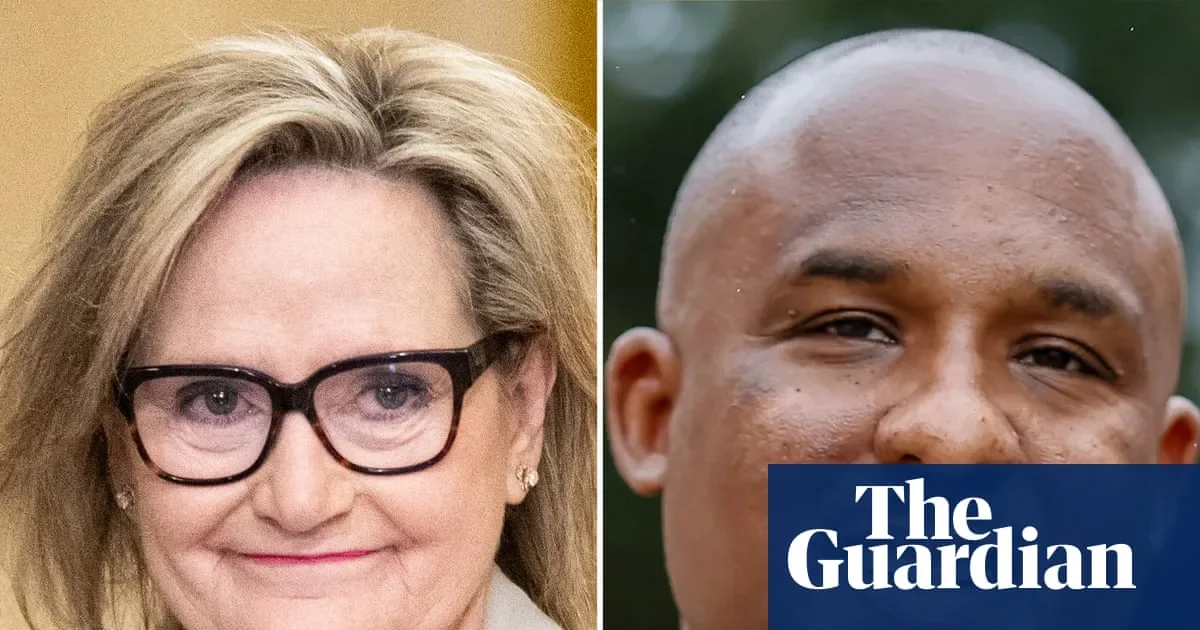
In a political shift that has stunned observers on both sides of the Atlantic, the United States midterm elections have produced a result that few saw coming: a potential Democratic victory in Mississippi. Democrat Scott Colom is currently on the verge of unseating Republican incumbent Cindy Hyde-Smith in a race that is separated by fewer than 2,000 votes. This development follows a broader "Blue Wave" that has already seen traditionally Republican strongholds like Texas and South Carolina flip to Democratic control. The legal machinery of both parties has now descended upon Mississippi, with attorneys from the Democratic Senatorial Campaign Committee (DSCC) and Republican groups trading sharp legal threats over the counting of the final remaining ballots.
For Iranian observers and global markets, this shift in the US legislative balance is of paramount importance. A Democratic-controlled Senate and House would significantly curtail Donald Trump’s ability to enact unilateral foreign policy or secure funding for aggressive regional postures. The market's immediate reaction has been one of cautious recalibration; as the likelihood of a legislative stalemate in Washington increases, the certainty of "Maximum Pressure 2.0" begins to blur. This political domestic distraction in the US often leads to a temporary vacuum in foreign policy execution, which may explain the slight easing of tension in the Tehran currency markets this evening.
Trump Pivots to Hardline Governance with Stephen Miller
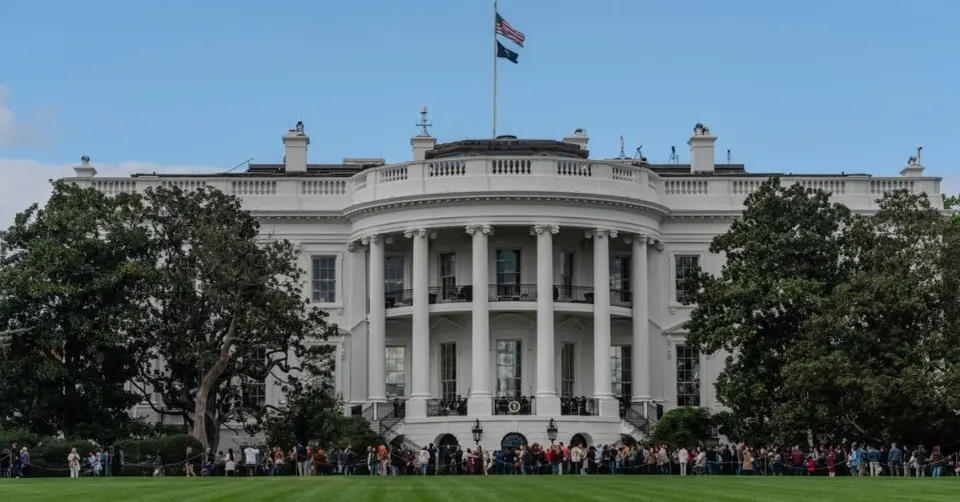
As the reality of the midterm defeats sets in, Donald Trump has signaled a move toward a more combative executive stance by appointing Stephen Miller as his new White House Chief of Staff. Miller, the primary architect of Trump’s most controversial immigration policies, replaces Susie Wiles, who was seen as a more institutionalizing force within the administration. This appointment is a clear signal that despite losing ground in Congress, the White House intends to use its executive powers to the fullest extent. Miller’s influence is rarely limited to domestic policy; his "America First" ideology often translates into a transactional and isolationist foreign policy that prioritizes domestic political victories over long-standing international alliances.
This personnel shift suggests that the administration may double down on executive orders to bypass a hostile Congress. For the Iranian economy, this is a double-edged sword. While Miller’s focus is primarily domestic, his presence at the center of the West Wing ensures that the administration's stance remains unpredictable and aggressive. The appointment has already rattled international diplomats who had hoped for a more moderate turn following the Republican losses. It reinforces the narrative that the next two years will be defined by intense internal friction within the US government, potentially leading to sudden, erratic shifts in sanction enforcement and geopolitical maneuvering.
Energy Reliability Overwhelms Ideological Politics
In the energy sector, a significant shift is occurring as governments move away from purely ideological debates about green energy versus fossil fuels. The ongoing regional tensions and the shadow of conflict with Iran have exposed the fragility of global supply chains, forcing a pivot toward "energy reliability" as the primary metric of success. Governments that once touted aggressive phase-out dates for oil and gas are now quietly prioritizing the securing of physical molecules over climate targets. This is particularly evident in the recent moves by India’s ONGC to take over Venezuelan oilfields to recover $500 million in dividends, a move coordinated with US authorities to ensure supply stability amidst Middle Eastern volatility.
In Tehran, the local markets have responded to these global shifts with a notable, albeit modest, correction. The USD/IRR rate moved from 268,200 to 267,500, marking a 0.3% decrease. Similarly, Gold 18k per gram dropped by 0.8%, falling from 26,086,153 to 25,889,930 Toman. These movements suggest that the local market is breathing a sigh of relief as the US political landscape becomes more fractured, potentially limiting the effectiveness of further economic restrictions. However, the global gold ounce remains near historic highs at $4,065.90, indicating that while local currency pressure has eased, the underlying global risk remains elevated.

The End of the Cybertruck and the Crypto Selloff
In the world of technology and finance, the era of the Cybertruck has come to an abrupt end. Elon Musk has reportedly killed off the pricey pet project after it failed to gain mainstream traction due to production hurdles and high costs. This move is seen as a strategic pivot toward the "Robotaxi" future, but it also reflects a broader cooling in the high-end EV market. Meanwhile, the crypto sector is facing its own set of challenges. Bitcoin ETFs saw a massive outflow of $430 million on Thursday, led by Fidelity and BlackRock, as a tech-stock rout tested the resolve of Wall Street buyers. Bitcoin is currently trading at $75,690, struggling to regain the momentum it held earlier in the week.
For Iranian crypto investors, this volatility is a reminder of the asset class's sensitivity to US macro conditions. While the Toman-pegged USDT remains a popular hedge, the broader selloff in Bitcoin suggests that institutional investors are moving toward safer havens as the US political dust settles. The combination of the Cybertruck’s cancellation and the crypto dip points to a market that is increasingly intolerant of "hype-driven" assets, favoring instead tangible reliability and cash-flow-positive enterprises. As we move into the weekend, the focus remains on whether the Democratic sweep in the US will lead to a more stable, albeit gridlocked, global economic environment.
Frequently Asked Questions
Why is the Mississippi Senate race so significant for Iran?
What does Stephen Miller's appointment as Chief of Staff mean?
Why did gold and USD prices drop in Tehran today?
Is the end of the Cybertruck a sign of a broader tech slowdown?
Political Risk and Currency Volatility: How Elections Influence Exchange Rates
Political risk refers to the uncertainty that political decisions, events, or instability create for investors and businesses. When a country’s leadership changes or policy direction shifts—especially after an election—markets scramble to reassess the likely trajectory of fiscal policy, regulation, and international relations. This reassessment often shows up first in the foreign‑exchange market, where traders price in the probability of new policies that could affect trade balances, inflation, or capital flows.
In the United States, midterm elections are a classic example. A swing toward a more protectionist or fiscally expansive Congress can raise expectations of higher government spending or tariffs, prompting investors to buy the dollar in anticipation of a stronger economy, or to sell it if they fear increased deficits and inflation. The 2026 midterms, with headlines about hard‑line figures like Stephen Miller gaining influence, have already nudged the USD/IRR (Iranian rial) pair, as Iranian traders watch for any U.S. policy that might tighten sanctions or alter oil‑related sanctions relief. The ripple effect also touches safe‑haven assets such as gold, which often climbs when political uncertainty threatens the dollar’s dominance.
Gold’s price dynamics in Iran illustrate the link between political risk and commodity markets. When investors expect U.S. policy to become more hostile toward Iran, they may seek gold both as a hedge against a weakening rial and as a store of value against potential capital controls. Consequently, Iranian gold prices—quoted in the local market on dates like 15 Aban—can spike even if global gold prices move modestly, reflecting the premium that domestic political risk adds.
The mechanism is not limited to elections. Any major political shock—whether a sudden change in leadership, a major legislative win by a hard‑line faction, or a geopolitical crisis—creates a “risk premium” that is baked into exchange rates. Traders use models that incorporate political risk scores, such as those published by the Economist Intelligence Unit, to adjust forward contracts and spot positions. Understanding this relationship helps investors anticipate currency moves and manage exposure, especially in emerging markets where political swings can be abrupt.
For students of finance, the key takeaway is that currency markets are not driven solely by economic fundamentals; they are highly sensitive to the political environment. Monitoring election calendars, policy platforms, and the rhetoric of influential figures provides a leading indicator of potential currency volatility, allowing both policymakers and investors to prepare for the inevitable market adjustments.