Gaza Hospital Strike Fuels Regional Tensions; Nvidia Scandal Continues to Rock Tech Markets
حمله به بیمارستان غزه تنشها را تشدید کرد؛ رسوایی انویدیا بازارهای فناوری را متزلزل میکند
A strike on a Gaza hospital has killed dozens, escalating regional tensions. Meanwhile, the fallout from Nvidia CEO Jensen Huang's alleged spy scandal continues to reverberate through global tech and crypto markets, with significant implications for AI development and investor confidence.
At time of publishing
USD
269,500
Toman
Gold 18K
25.76M
Toman / gram
Bitcoin
$71,906
US Dollar
Tether
271,280
Toman
Gaza Hospital Strike Intensifies Regional Conflict
Israeli airstrikes on a hospital in Gaza have resulted in the deaths of at least six people and injured dozens more, according to health officials in the region. The Israeli authorities claim that Hamas had established a command center within the hospital complex, a charge vehemently denied by Hamas, which characterized the attack as a "heinous crime targeting a civilian medical facility." This incident marks a significant escalation in the ongoing conflict, drawing immediate international condemnation and raising fears of wider regional involvement.

The immediate aftermath of the strike has seen a surge in diplomatic activity, with calls for de-escalation and independent investigations. The event is likely to further inflame public opinion across the Middle East and beyond, potentially impacting ongoing negotiations and humanitarian aid efforts. The heightened tensions could also spill over into financial markets, increasing risk aversion and impacting oil prices, particularly if the conflict widens to involve other regional powers or disrupts critical shipping lanes.
Nvidia Scandal Continues to Shake Tech and Crypto Valuations
The ongoing scandal surrounding Nvidia CEO Jensen Huang, including reports of alleged affairs and links to espionage, has continued to exert downward pressure on global tech and cryptocurrency markets. Huang's reported resignation and potential testimony before U.S. Congress have sent shockwaves through the industry, leading to significant drops in Nvidia's market value, estimated by some reports to be over $888 billion this week alone. This turmoil is directly impacting investor confidence in the AI sector, which has been heavily reliant on Nvidia's advanced chips.
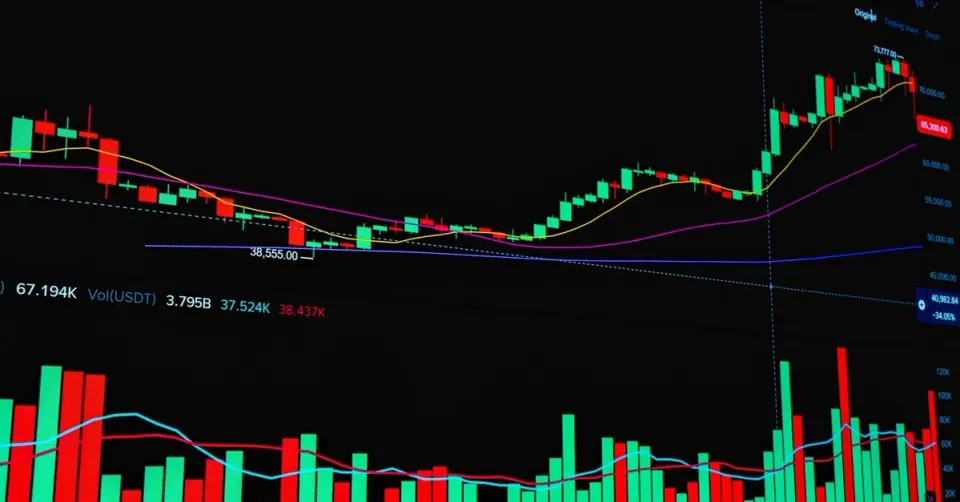
The fallout extends beyond Nvidia, with Bitcoin and other cryptocurrencies experiencing significant price drops as the broader market grapples with the uncertainty. Bitcoin fell to a 12-week low, with hundreds of millions of dollars in crypto positions liquidated. Analysts are questioning the future of open-source AI development and the implications of Nvidia's potential shift in leadership or strategic direction. The market's reliance on Nvidia's dominance in AI hardware means any instability at the company has a cascading effect, influencing everything from semiconductor supply chains to the valuations of companies betting heavily on AI advancements.
UK Car Industry Seeks Brexit Tariff Delay Amid Economic Uncertainty
The UK's automotive industry is actively lobbying the European Union for a two-year delay on forthcoming Brexit tariffs related to electric vehicles. These tariffs, tied to 'rules of origin' for vehicle batteries, are scheduled to take effect on January 1st. The industry fears that without an extension, these new trade barriers will significantly disrupt the flow of electric cars between the UK and the EU, potentially leading to increased costs for consumers and reduced competitiveness for manufacturers.

This push for a delay highlights the ongoing economic adjustments and complexities arising from Brexit. The automotive sector, a crucial part of the UK economy, is particularly sensitive to trade friction and regulatory changes. The outcome of these negotiations could have a material impact on investment decisions, production levels, and employment within the industry, reflecting the broader challenges of recalibrating trade relationships post-Brexit and the global push towards electrification.
Putin's Hardline Stance Amidst Ukraine Disruptions
Russian President Vladimir Putin has adopted a firm stance in recent talks with U.S. envoys, warning that any foreign troops deployed to Ukraine would be legitimate targets for Russian forces. This hardline rhetoric comes at a time when Ukraine is reporting renewed disruptions to Elon Musk's Starlink satellite internet service. During discussions with U.S. representatives Jared Kushner and Steve Witkoff, Putin reiterated his territorial demands, refusing to compromise on Moscow's claims over four Ukrainian regions it has declared annexed.
The disruptions to Starlink, a vital communication tool for Ukrainian forces, could significantly impact battlefield operations and intelligence gathering. Combined with Putin's uncompromising position on territorial claims, this situation underscores the continued challenges in finding a diplomatic resolution to the conflict. The geopolitical implications are substantial, potentially prolonging the conflict and maintaining a high level of instability in Eastern Europe, which has broader effects on global energy markets and international relations.
EIA Data Shows Mixed Signals in U.S. Energy Inventories
Recent data from the U.S. Energy Information Administration (EIA) indicates an increase in crude oil inventories, with a build of 4.7 million barrels for the week ending November 6. This brings total commercial stockpiles to 414.4 million barrels, though still 4% below the five-year average for this period. Additionally, gasoline and distillates also saw builds during the reporting week. This suggests a temporary easing of supply pressures or potentially softer demand signals in the U.S. market.

These inventory figures provide a snapshot of the current energy market dynamics. While the build-up might suggest a short-term bearish sentiment for oil prices, the fact that inventories remain below the five-year average indicates that the market is not significantly oversupplied. Traders and analysts will be closely watching future data releases and geopolitical developments for further clues on supply and demand balances, especially in light of ongoing global economic uncertainties and regional conflicts that could impact crude flows.
Watch
Israeli strike on a Gaza hospital kills 6 people, health authorities say
Associated Press
Frequently Asked Questions
What was the immediate impact of the Gaza hospital strike?
How has the Nvidia scandal affected cryptocurrency markets?
Why is the UK car industry seeking a delay on Brexit EV tariffs?
What is Russia's current stance on foreign involvement in Ukraine?
What do the latest EIA data suggest about the U.S. energy market?
Export Controls on AI Chips: Why Nvidia’s GPUs Are at the Center of Global Politics
Export controls are government-imposed restrictions that limit the sale or transfer of certain goods, technologies, and services to foreign entities. In the digital age, high‑performance graphics processing units (GPUs) have become a strategic commodity because they power the most advanced artificial‑intelligence (AI) models, from large‑language models to autonomous‑driving systems. Nvidia, the world’s leading GPU maker, therefore finds its products on the front lines of national security debates, as governments worry that the same chips used to accelerate scientific research could also enhance military AI capabilities in rival states.
The United States has a long history of using export controls to curb the diffusion of dual‑use technologies—those with both civilian and military applications. Recent rules, such as the 2022 “Export Control Reform Act” amendments, specifically target AI accelerators, requiring licences for shipments to countries deemed a security risk, including Russia, China, and Iran. These measures aim to prevent adversaries like Russia, which is currently engaged in a war in Ukraine, from accessing the computational power needed to improve battlefield AI, cyber‑espionage tools, or even to mine cryptocurrencies that fund illicit activities.
For Nvidia, the regulatory landscape creates both challenges and opportunities. On one hand, the company must navigate a complex licensing process, potentially delaying shipments and reducing sales to high‑growth markets. On the other hand, compliance can boost its reputation as a responsible supplier, opening doors to government contracts and partnerships with allied nations. The ripple effects are felt across tech markets: investors watch Nvidia’s earnings for signs of regulatory pressure, while rival chipmakers such as AMD and Intel adjust their product roadmaps to either comply with or circumvent restrictions.
Understanding export controls helps explain why a single corporate scandal or a regional conflict—whether the Gaza hospital strike or Brexit‑related trade shifts—can quickly become entangled with the semiconductor supply chain. As AI continues to reshape economies, the geopolitical importance of chips will only grow, making export‑control policy a key factor in the future of global technology competition.