Trump Shifts Iran Focus to US Politics; Nvidia Woes Continue, DC Shooting Unfolds
ترامپ تمرکز بر ایران را به سیاست داخلی آمریکا معطوف کرد؛ بحران انویدیا ادامه دارد، تیراندازی در واشنگتن
Former President Donald Trump has declared an end to negotiations for a deal to resolve the conflict with Iran, redirecting Vice President JD Vance to focus on domestic U.S. issues. Meanwhile, Nvidia's stock selloff shows signs of continuing, and a shooting incident in Washington D.C. has resulted in casualties.
At time of publishing
USD
269,500
Toman
Gold 18K
25.76M
Toman / gram
Bitcoin
$71,556
US Dollar
Tether
271,231
Toman
Trump Abandons Iran Deal Pursuit, Focuses on Domestic Issues
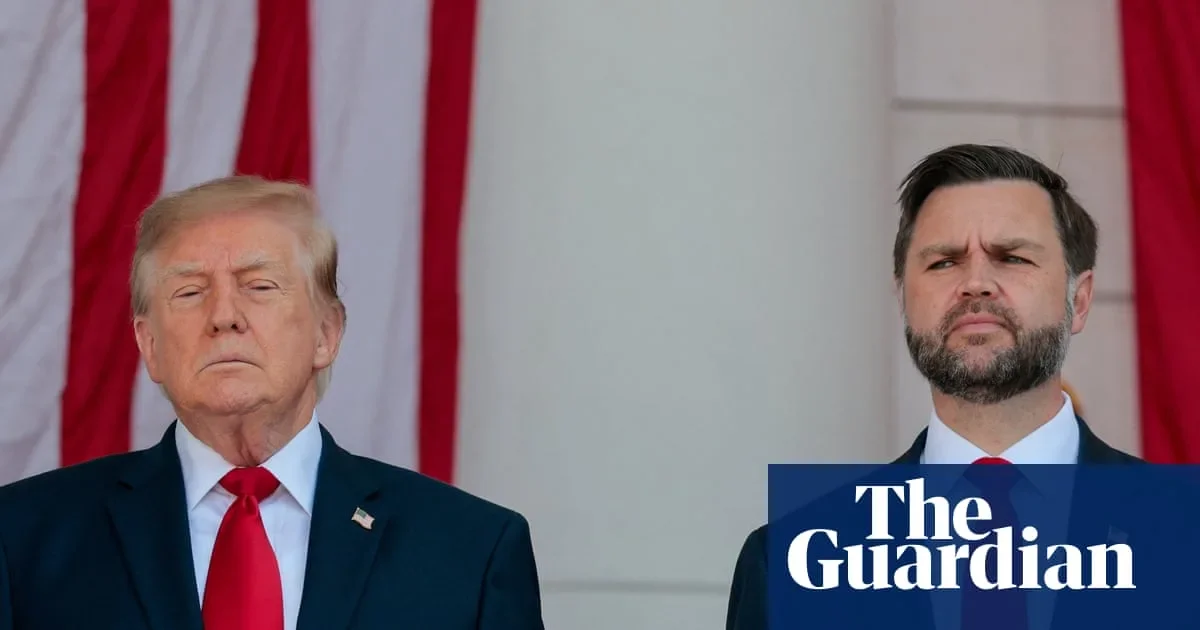
Former President Donald Trump announced on Thursday that the United States is no longer pursuing a deal to end the conflict with Iran. He has ordered Vice President JD Vance, who had been leading efforts to re-engage in negotiations, to shift his focus entirely to domestic U.S. politics. Trump cited what he termed "Massive Corruption and Crime taking place in Democrat run Cities and States" as the new priority for Vance's attention, signaling a significant pivot in foreign policy priorities.
This abrupt halt to diplomatic efforts with Iran carries considerable implications for regional stability and global markets. By withdrawing from potential negotiations, Trump's administration signals a willingness to allow existing tensions to persist, potentially impacting oil prices and international trade routes. For Iran, this move could reinforce existing sanctions or lead to new ones, affecting its economy and currency, the Toman. The decision also removes a potential avenue for de-escalation, leaving the geopolitical landscape more uncertain.
---
Nvidia Stock Selloff May Persist Amid Leadership Uncertainty
Despite shedding approximately 30% from its peak, Wall Street analysts suggest that the selloff in Nvidia's stock may not yet be over. While the company's shares might appear undervalued based on traditional metrics, ongoing concerns surrounding its leadership and the broader implications of past scandals are expected to fuel further volatility. The recent resignation of CEO Jensen Huang, reportedly linked to allegations of espionage and improper dealings, has cast a long shadow over the tech giant's future.
The market's reaction underscores the delicate balance between technological innovation and corporate governance. Nvidia's pivotal role in the AI revolution means its stock performance is closely watched as a bellwether for the entire sector. The uncertainty surrounding its leadership transition and the integrity of its operations could dampen investor sentiment not only for Nvidia but also for other semiconductor and AI-focused companies. This could translate into a broader tech market correction, impacting investment strategies and startup funding.
---
Washington D.C. Shooting Leaves One Dead, Four Injured
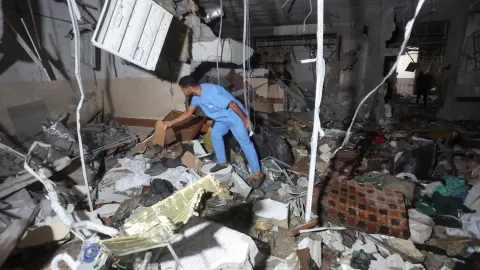
A shooting incident in Washington D.C. on Thursday has resulted in one fatality and four injuries, with one person in critical condition. Authorities have confirmed that the suspect died from a self-inflicted gunshot wound after a standoff with law enforcement. The situation initially prompted an active shooter response, which transitioned into a barricaded subject scenario, according to federal law enforcement officials. The incident has caused significant disruption and a warning for the public to stay indoors.
The immediate impact of such events in a capital city is often a heightened sense of security and a potential for increased law enforcement presence. While the direct economic impact may be localized, the broader implications can affect investor confidence and risk appetite, particularly if such incidents become more frequent or widespread. For markets, any increase in geopolitical or domestic instability can lead to a flight to safety, impacting currency valuations and asset prices, though the precise link in this instance remains to be seen.
Frequently Asked Questions
What is the current status of negotiations between the US and Iran regarding the conflict?
What are the implications of Trump's decision for Iran and the region?
Why is Nvidia's stock experiencing a selloff, and what is the outlook?
What was the outcome of the Washington D.C. shooting incident?
How has the Iranian Toman performed in the last 24 hours?
The Geopolitical Impact on National Currencies: The Case of the Iranian Toman
The value of a nation's currency is a critical indicator of its economic health, but it's not solely determined by internal factors. Geopolitical tensions and international sanctions can exert immense pressure, leading to significant depreciation. The Iranian Toman serves as a stark example of how foreign policy, international relations, and economic restrictions can directly impact a currency's stability and, by extension, the daily lives of citizens. Understanding this interplay is crucial for grasping the broader implications of global political shifts.
Economic sanctions, often imposed by powerful nations or international bodies, primarily aim to isolate a target country by restricting its access to global financial systems, trade, and crucial resources like oil revenue. For Iran, these sanctions have severely limited its ability to export oil – its primary source of foreign currency earnings – and its capacity to conduct international banking transactions. This reduction in foreign currency inflows, coupled with increased demand for essential imports, creates a supply-demand imbalance, driving down the Toman's value against major currencies like the U.S. dollar.
The consequences of such currency devaluation are far-reaching. Domestically, it fuels high inflation as imported goods become prohibitively expensive, eroding purchasing power and making basic necessities less affordable for ordinary citizens. Businesses struggle with higher costs for raw materials and equipment, leading to reduced investment and economic stagnation. Furthermore, the uncertainty created by geopolitical instability and sanctions deters foreign investment and encourages capital flight, further weakening the national currency and exacerbating economic woes.