
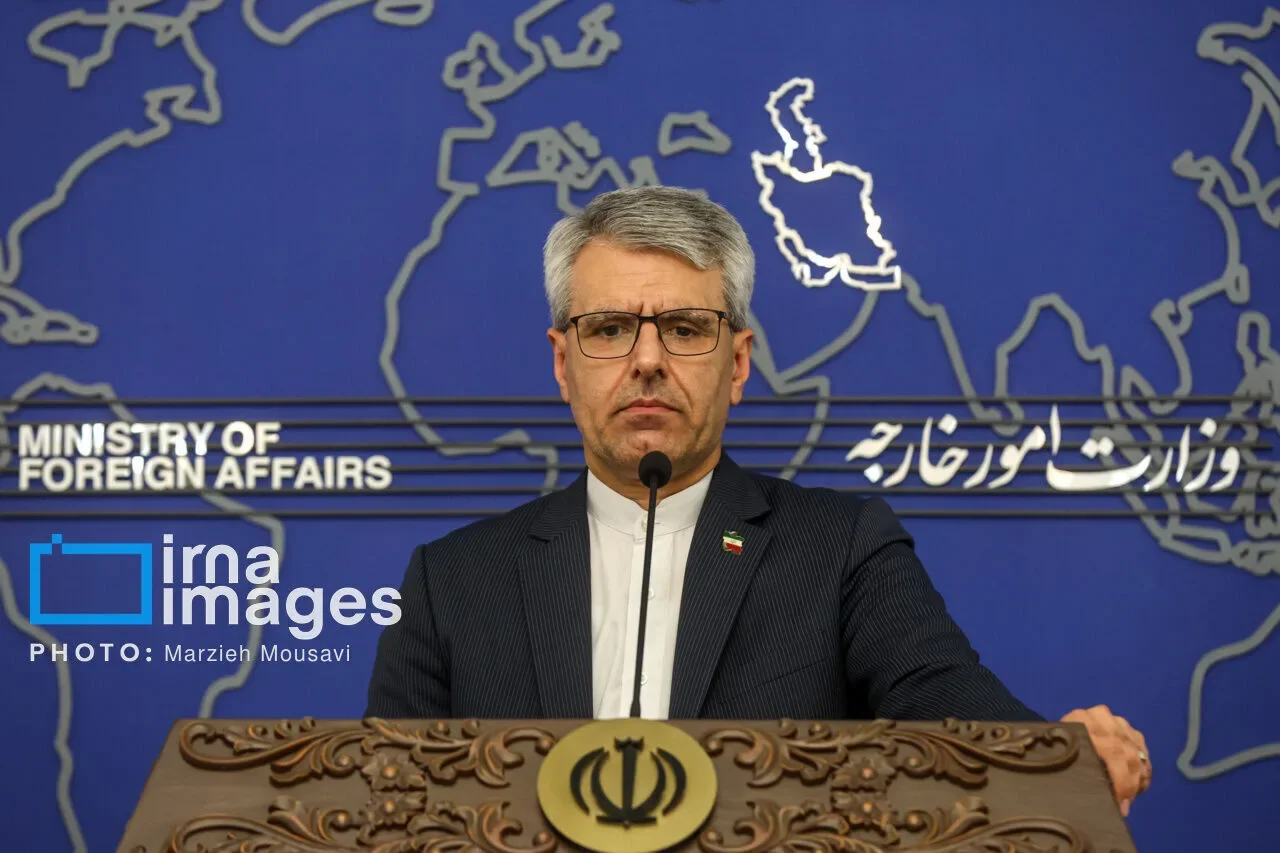
Tehran Warns of 'Diplomatic Deception' as Ghalibaf Slams US Treasury Over Strategic Failures
هشدار تهران نسبت به «فریب دیپلماتیک» آمریکا؛ واکنش تند قالیباف به اظهارات وزیر خزانهداری ایالات متحده
Iran's Foreign Ministry warns that US diplomatic overtures are being used as a cover for military surprises, while Parliament Speaker Ghalibaf dismisses US Treasury critiques as a distraction from Western strategic failures in the Persian Gulf.
At time of publishing
USD
268,700
Toman
Gold 18K
24.67M
Toman / gram
Bitcoin
$64,260
US Dollar
Tether
270,707
Toman
The Erosion of Diplomatic Trust
In a sharp rebuke of Washington's foreign policy, Iranian Foreign Ministry spokesperson Esmaeil Baqaei stated on Sunday, November 15, 2026, that the United States has systematically undermined the credibility of international diplomacy. Baqaei argued that the U.S. government has twice in less than nine months utilized ongoing negotiations as a tactical smokescreen to launch surprise attacks. This pattern, according to Tehran, suggests that diplomatic engagement from the U.S. side is no longer a tool for conflict resolution but rather a strategic maneuver to lower the guard of adversaries before military escalation.
The implications of these statements are significant for the broader geopolitical landscape of the Middle East. By publicly urging other nations to view American diplomatic claims with extreme caution, Tehran is signaling a hardening of its stance against future mediation efforts. This rhetoric comes at a time when regional tensions remain at a boiling point, and the perception that 'diplomacy is a trap' could further close the door on nuclear or regional security talks that have been stalled for months. For the average Iranian, this translates to a continued climate of uncertainty, where the threat of sudden military or economic shifts remains a constant factor in daily life.
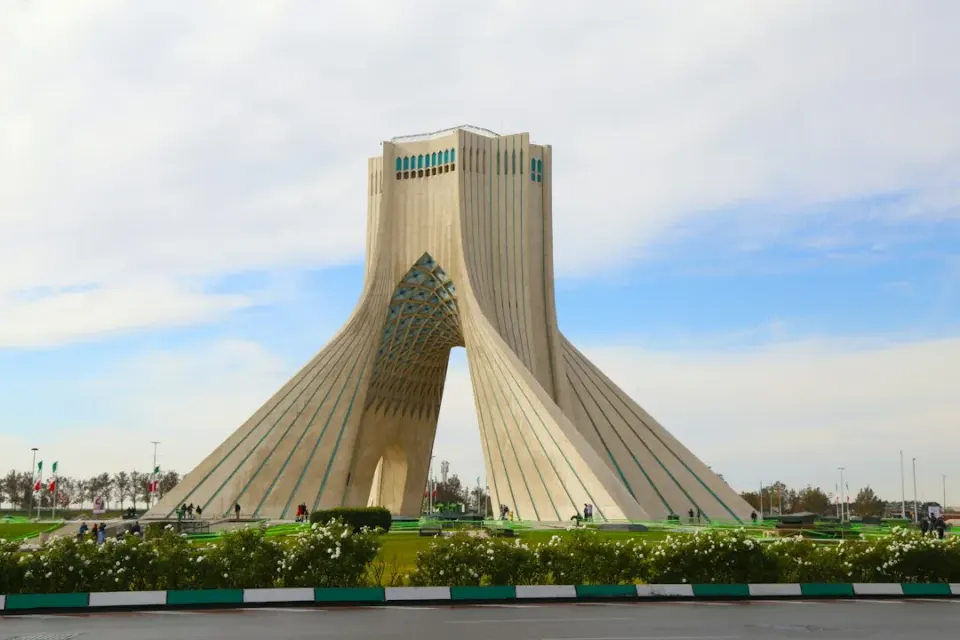
Ghalibaf Strikes Back at US Treasury
Adding to the day's diplomatic friction, Iranian Parliament Speaker Mohammad Bagher Ghalibaf issued a stern response to recent comments made by U.S. Treasury Secretary Scott Bessent. Ghalibaf criticized Bessent for what he described as "offensive remarks" aimed at the Iranian nation, suggesting that the U.S. leadership should focus on its own strategic failures in the Persian Gulf rather than lecturing other sovereign states. The exchange highlights the deep-seated animosity between Tehran and the U.S. Treasury, which remains the primary architect of the sanctions regime that has crippled segments of the Iranian economy.
Ghalibaf’s rhetoric is aimed at both domestic and international audiences. Domestically, it serves to reinforce a narrative of resistance and national dignity in the face of external economic pressure. Internationally, it challenges the efficacy of the U.S. presence in the region, particularly in the strategic waters of the Persian Gulf where maritime security remains a sensitive issue. As the U.S. Treasury continues to tighten the screws on Iranian financial channels, these verbal escalations often precede new rounds of policy shifts or symbolic military posturing in the Strait of Hormuz.
Regional Shifts: Yemen’s Prisoner Release
In a rare development that could signal a humanitarian opening amidst the regional gloom, Yemeni officials announced the upcoming release of hundreds of prisoners. This move, sanctioned by Ansarullah leader Abdul-Malik al-Houthi, is framed as a gesture of amnesty for those captured on various battlefronts in recent years. While the motivations behind such a large-scale release are often complex, it typically serves as a tool for political leverage or a genuine attempt to de-escalate internal friction within the war-torn nation.
For Iran and its regional allies, the stability of the Yemeni front is crucial. Any movement toward prisoner exchanges or amnesties is closely watched by regional powers as a barometer for the possibility of a more permanent ceasefire. However, skeptics note that such gestures have occurred in the past without leading to a fundamental shift in the conflict's trajectory. Nevertheless, the release of hundreds of individuals is a significant humanitarian event for the families involved and provides a brief respite from the narrative of constant attrition.
Market Stability Amidst Political Noise
Despite the heated rhetoric from top officials, the Iranian domestic markets showed remarkable resilience and minimal volatility over the last 24 hours. The US Dollar (USD) remained virtually unchanged, moving from 268,800 to 268,700 Toman, reflecting a state of equilibrium where traders are likely waiting for more concrete geopolitical developments before making major moves. This stability in the currency market is often seen as a sign that the market has already 'priced in' the standard verbal sparring between Tehran and Washington.
In contrast, the precious metals market saw a slight downward correction. Gold 18k per gram dropped from 24,798,005 to 24,671,037 Toman, a decrease of 0.5%. Similarly, the Emami coin fell from 253,000,000 to 252,000,000 Toman, marking a 0.4% decline. These shifts are likely tied more to global gold price fluctuations—with the international gold ounce currently at $3,887.60—than to domestic political statements. For investors, this suggests that while the political environment is tense, the immediate economic impact is being tempered by global market trends and a cautious domestic trading sentiment.
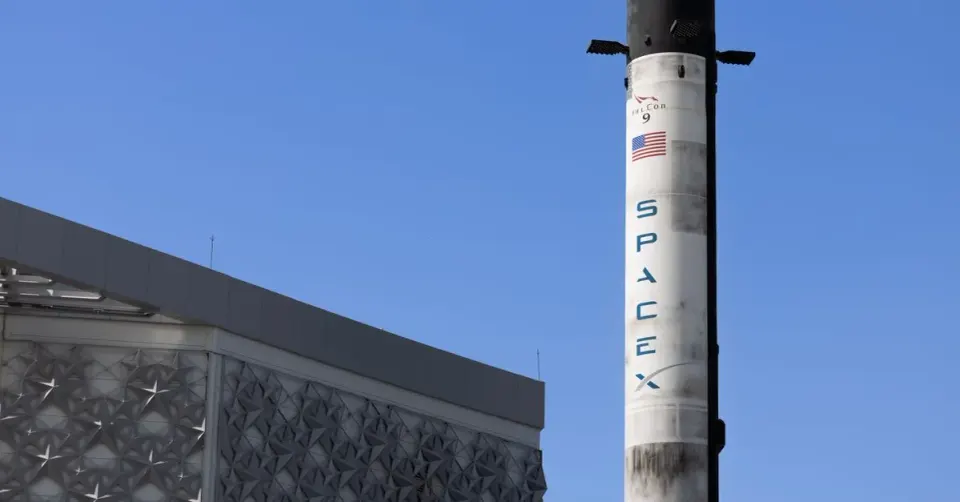
Tech Milestone: SpaceX’s Historic Catch
While the Middle East focuses on diplomacy and markets, the global technology sector reached a historic milestone this weekend. SpaceX successfully executed the first 'chopstick' catch of its Starship vehicle, a maneuver that involves the launch tower’s massive mechanical arms grabbing the returning rocket out of the air. This achievement brings the space industry significantly closer to the goal of 'rapid reusability,' which could drastically lower the cost of space exploration and satellite deployment.
This breakthrough by Elon Musk’s company contrasts sharply with the technical 'chaos' reported elsewhere in the U.S., where flight suspensions and cybersecurity fears have recently dominated the headlines. The ability to catch a vehicle as large as Starship is not just a feat of engineering; it is a signal of the accelerating pace of private-sector space dominance. As these technologies mature, they will likely have profound implications for global communications and defense, further widening the gap between nations with advanced aerospace capabilities and those without.
Frequently Asked Questions
چرا وزارت خارجه ایران دیپلماسی آمریکا را زیر سوال برده است؟
واکنش قالیباف به وزیر خزانهداری آمریکا چه بود؟
وضعیت بازار طلا و ارز در ۲۴ آبان چگونه است؟
اهمیت شکار استارشیپ توسط اسپیساکس چیست؟
The Power and Perils of Economic Sanctions
Economic sanctions are a powerful, non-military tool of foreign policy, employed by governments and international bodies to influence the behavior of other states, entities, or individuals. They can take various forms, including restrictions on trade, financial transactions, and travel, with the overarching goals often being to compel a change in policy, deter specific actions, or weaken an adversary. The US Treasury, frequently mentioned in headlines concerning Iran, plays a central role in implementing financial sanctions, which involve measures like freezing assets, restricting access to international banking systems, and prohibiting certain types of transactions.
When financial sanctions are imposed, especially by a major economic power like the United States, they can severely disrupt a targeted country's ability to engage in global trade and access foreign currency. For instance, restrictions on oil exports or banking transactions make it difficult for countries like Iran to sell their goods internationally and receive payment in stable currencies such as the U.S. dollar. This limited access to foreign exchange directly impacts the domestic economy, often leading to a depreciation of the local currency (like the Iranian Rial against the USD) and a surge in the price of imported goods and commodities, including gold, as people seek safer stores of value.
However, the effectiveness and ethical implications of sanctions are subjects of ongoing debate. While proponents argue that sanctions can pressure regimes to alter undesirable policies without resorting to military force, critics highlight their potential to inflict significant hardship on ordinary citizens, foster black markets, and even strengthen the resolve of targeted governments. The term "diplomatic deception," as used in the headline, reflects the perception from the sanctioned nation that such measures are disingenuous or designed to undermine rather than genuinely negotiate, often pushing them to seek alternative financial mechanisms and alliances to circumvent the restrictions.
Ultimately, economic sanctions are a complex instrument with far-reaching consequences, influencing not only geopolitical dynamics but also the daily economic realities of millions. Understanding their mechanisms and impacts is crucial for deciphering international relations and the challenges faced by economies under pressure.
Topics
Related Articles

