
Red Sea Power Shift: Houthi Advance Forces Saudi Retreat as Tehran Unveils Indigenous Nuclear Fusion Claims
تغییر موازنه در دریای سرخ؛ عقبنشینی نیروهای تحت حمایت ریاض و ادعای هستهای جدید تهران
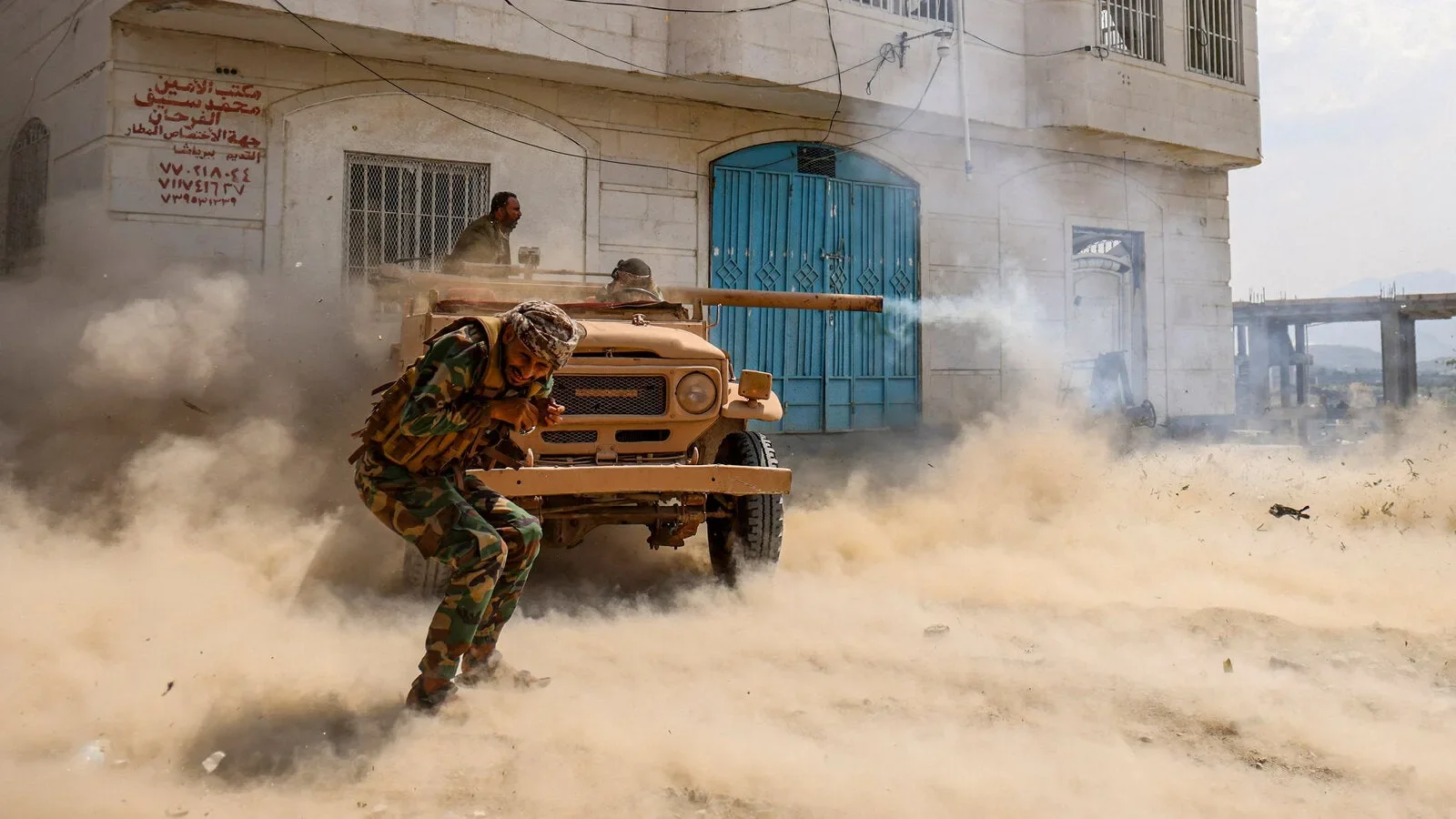
Saudi-backed forces are retreating from critical Red Sea positions as Houthi rebels gain strategic ground in Yemen. Meanwhile, Tehran faces a wave of regional condemnation over strikes in Bahrain while simultaneously claiming a breakthrough in indigenous nuclear fusion technology.
At time of publishing
USD
266,000
Toman
Gold 18K
24.54M
Toman / gram
Bitcoin
$64,415
US Dollar
Tether
269,275
Toman
The Red Sea Pivot: Houthi Gains and Saudi Retreat
In a significant development that alters the strategic landscape of the Arabian Peninsula, Saudi-backed forces in Yemen have begun a tactical retreat from key positions along the Red Sea coast. This move comes as Houthi rebels, who have maintained a steady pressure on the coastal corridors, continue to advance. According to reports from the New York Times, analysts now believe the balance of power in Yemen’s decade-long civil war is tilting decisively toward the Iran-backed militia. This retreat is not merely a military setback; it represents a profound challenge to the security architecture that Saudi Arabia and its allies have attempted to build around the Bab el-Mandeb strait, one of the world's most critical maritime chokepoints.
The implications for global trade and regional stability are immediate. The Red Sea is a vital artery for energy and cargo shipments, and a Houthi consolidation of power along its shores increases the risk of further maritime disruptions. For Iranian observers, this shift is viewed through the lens of regional influence. While the Saudi coalition has struggled to maintain its footprint, the Houthis' resilience suggests a long-term change in the geopolitical map. This development may lead to renewed diplomatic pressure on Riyadh to find a permanent exit from the conflict, even if it means accepting a dominant Houthi presence on its southern border.
Regional Backlash and Nuclear Ambitions
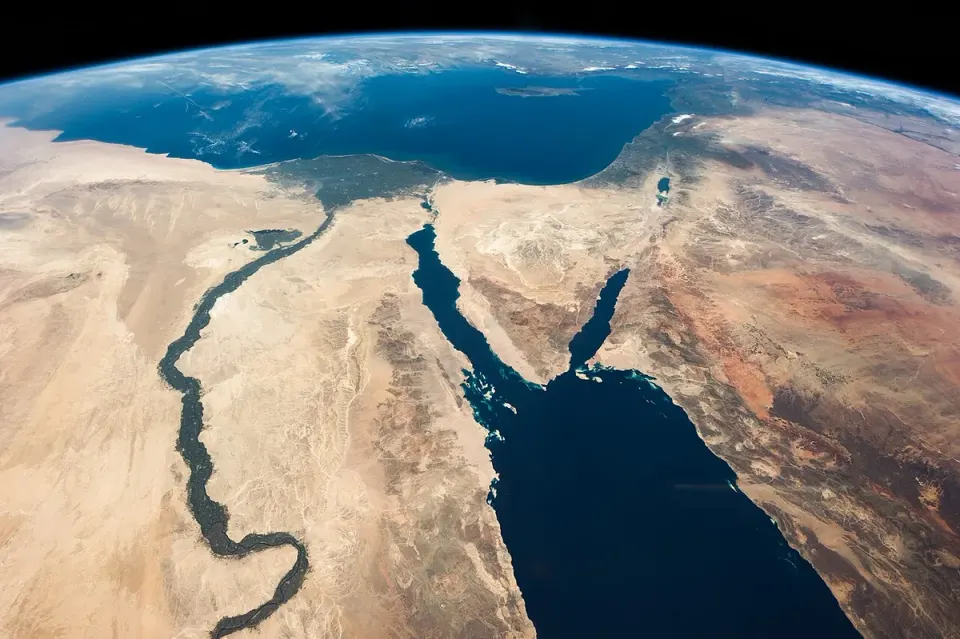
While the military situation in Yemen shifts, Tehran is navigating a turbulent diplomatic environment following a series of drone attacks on a US military base in Bahrain. Regional powers, including Saudi Arabia, Qatar, Jordan, and Egypt, issued a rare joint condemnation, characterizing the strikes as a blatant violation of international law and a dangerous escalation. The Kingdom of Bahrain, supported by its neighbors, has called for an immediate halt to these actions, which they claim undermine years of political and diplomatic efforts to stabilize the Middle East. This collective stance highlights a growing rift and a potential hardening of the regional alliance against Tehran’s military maneuvers in the Gulf.
Simultaneously, the Atomic Energy Organization of Iran (AEOI) has announced a major technological claim. On Sunday, November 15, 2026, the head of the AEOI stated that Iran is preparing to launch its first fully indigenous nuclear fusion system. While state-run media, IRNA, hailed this as a milestone in cutting-edge technology, international observers remain cautious about the technical feasibility and the timeline of such a sophisticated project. The timing of the announcement—coinciding with heightened regional tensions—suggests a strategic attempt to project domestic strength and scientific progress amidst increasing external pressure and diplomatic isolation.

US Midterms and Aviation Turmoil
Across the Atlantic, the political landscape in the United States is undergoing its own transformation following the 2026 midterm elections. A record number of women, particularly mothers of young children, have been elected to Congress and various governorships. This demographic shift is being interpreted as a direct response to voter concerns over the cost of living and family affordability. The success of these Democratic candidates suggests that pocketbook issues and the daily struggles of working families resonated more deeply with the electorate than traditional partisan rhetoric, potentially shifting the legislative focus toward social safety nets and economic relief in the coming term.
However, the US administration is currently bogged down by a domestic crisis in the aviation sector. Following a massive nationwide flight grounding, Transportation Secretary Sean Duffy has faced intense scrutiny. Duffy has attributed the chaos to infrastructure neglect inherited from previous administrations and a lack of congressional funding. The situation worsened this weekend when two Boeing aircraft collided on a taxiway at Miami International Airport, just a day after the FAA's communication failures caused thousands of cancellations. This series of events has raised urgent questions about the safety and modernization of the American airspace, with political opponents arguing that the current administration has failed to effectively deploy existing funds for critical upgrades.

Market Cooling Amid Geopolitical Heat
Despite the intensifying rhetoric and military movements in the Middle East, the Iranian domestic market has shown a surprising degree of resilience and cooling. The US Dollar (USD) in the Tehran market saw a 1.0% decrease, moving from 268,800 to 266,000 Toman. This downward trend was mirrored in the gold market, where 18-karat gold fell from 24,798,005 to 24,541,760 Toman per gram, also a 1.0% decline. The Emami coin followed suit, dropping 0.8% to settle at 251,000,000 Toman. This suggests that the market had already priced in much of the regional tension, or perhaps that liquidity constraints are currently outweighing geopolitical fears.
In the global arena, Bitcoin continues to trade around the $64,415 mark, while gold on the international market remains elevated at $3,887.60 per ounce. For the Iranian consumer, the slight retreat in the Toman-to-Dollar rate provides a temporary breather, but the underlying volatility remains high. The disconnect between the cooling prices and the heating regional conflict is a phenomenon often seen when traders await a more definitive outcome or a specific response from international actors. For now, the market seems to be in a 'wait-and-see' mode, even as the headlines suggest a worsening security environment.
Frequently Asked Questions
Why are Saudi-backed forces retreating from the Red Sea?
What is the significance of Iran's nuclear fusion announcement?
How did the Tehran market react to the regional escalations?
What is causing the aviation chaos in the United States?
Understanding Regional Hegemony and the Shifting Balance of Power in the Middle East
The news of Houthi advances in the Red Sea and a Saudi retreat from Yemen, coupled with Iran's claims of indigenous nuclear fusion technology, points to a crucial concept in international relations: Regional Hegemony and the Shifting Balance of Power. Regional hegemony refers to the dominance of one state over others within its geographical area, exerting significant political, economic, and military influence. The Middle East has long been a theater where various powers vie for such influence, often leading to complex alliances, proxy conflicts, and strategic maneuvers. Understanding this dynamic is essential for interpreting the region's volatile landscape.
In the contemporary Middle East, the primary struggle for regional hegemony often plays out between Iran and Saudi Arabia. Each nation seeks to expand its sphere of influence, support aligned factions, and counter the perceived ambitions of the other. The conflict in Yemen, where Houthi forces (often seen as backed by Iran) have challenged the Saudi-supported government, is a prime example of this proxy competition. A Houthi advance and a Saudi retreat signify a tangible shift in the localized balance of power, potentially strengthening Iran's strategic position along crucial maritime routes like the Red Sea.
Iran's announcement of indigenous nuclear fusion capabilities, while distinct from nuclear fission for weapons, nonetheless serves as a powerful symbol of its technological ambition and its desire to project strength and self-sufficiency. Such claims, whether fully realized or aspirational, contribute to Iran's narrative as a rising regional power capable of challenging the established order. This pursuit of advanced capabilities, alongside its strategic support for non-state actors, indicates a clear intent to reshape the regional power structure and assert its role as a dominant player.
Ultimately, events like the Red Sea power shift are not isolated incidents but rather manifestations of this broader, ongoing contest for regional hegemony. They reflect a continuous recalibration of power, where military engagements, technological advancements, and diplomatic efforts all serve as tools for states to assert their influence and secure their strategic interests. For a curious reader, grasping the concept of regional hegemony provides a vital framework for understanding the intricate web of conflicts and alliances that define the modern Middle East.

