
Gulf Escalation: Iran Targets US Base in Bahrain as Historical Hostage Mystery Resurfaces
تنش در خلیج فارس: حمله پهپادی به پایگاه آمریکا در بحرین و بازگشایی پرونده قدیمی گروگان اسرائیلی
Tensions in the Persian Gulf have spiked following Iranian drone strikes on a US military airbase in Bahrain, marking a significant escalation in regional hostilities. Meanwhile, a new investigative report has cast doubt on decades of accusations regarding a missing Israeli airman, as markets react to the geopolitical friction.
At time of publishing
USD
268,000
Toman
Gold 18K
24.57M
Toman / gram
Bitcoin
$65,486
US Dollar
Tether
269,043
Toman
Gulf Escalation: Drones Target US Fifth Fleet Assets in Bahrain
Regional tensions have reached a fever pitch following reports of Iranian drone strikes targeting a US military airbase in Bahrain. According to statements from the Iranian military and reports from Bahraini officials, the attacks occurred in the early hours of Sunday, November 15, 2026. Bahrain's Ministry of Defense confirmed that its air defense systems intercepted several drones around 4:00 AM and 6:30 AM local time, preventing them from reaching their intended targets. This marks the second such incident in just three days, signaling a significant break from the two-month period of relative calm that had previously stabilized the Persian Gulf.
The strategic implications of these strikes are profound, as Bahrain serves as the permanent home for the United States Navy's Fifth Fleet. By targeting assets in this island nation, the Iranian military is sending a clear message of deterrence and capability to both Washington and its regional allies. Local residents in Bahrain reported hearing multiple blasts, reflecting a growing sense of uncertainty and fear among the civilian population. For the Iranian public, this escalation often translates into immediate market anxiety, as the risk of a broader conflict typically puts upward pressure on safe-haven assets like gold and the US dollar, despite the temporary dip observed in today's trading session.

Decades of Blood and Mistrust: The Israeli Hostage Mystery
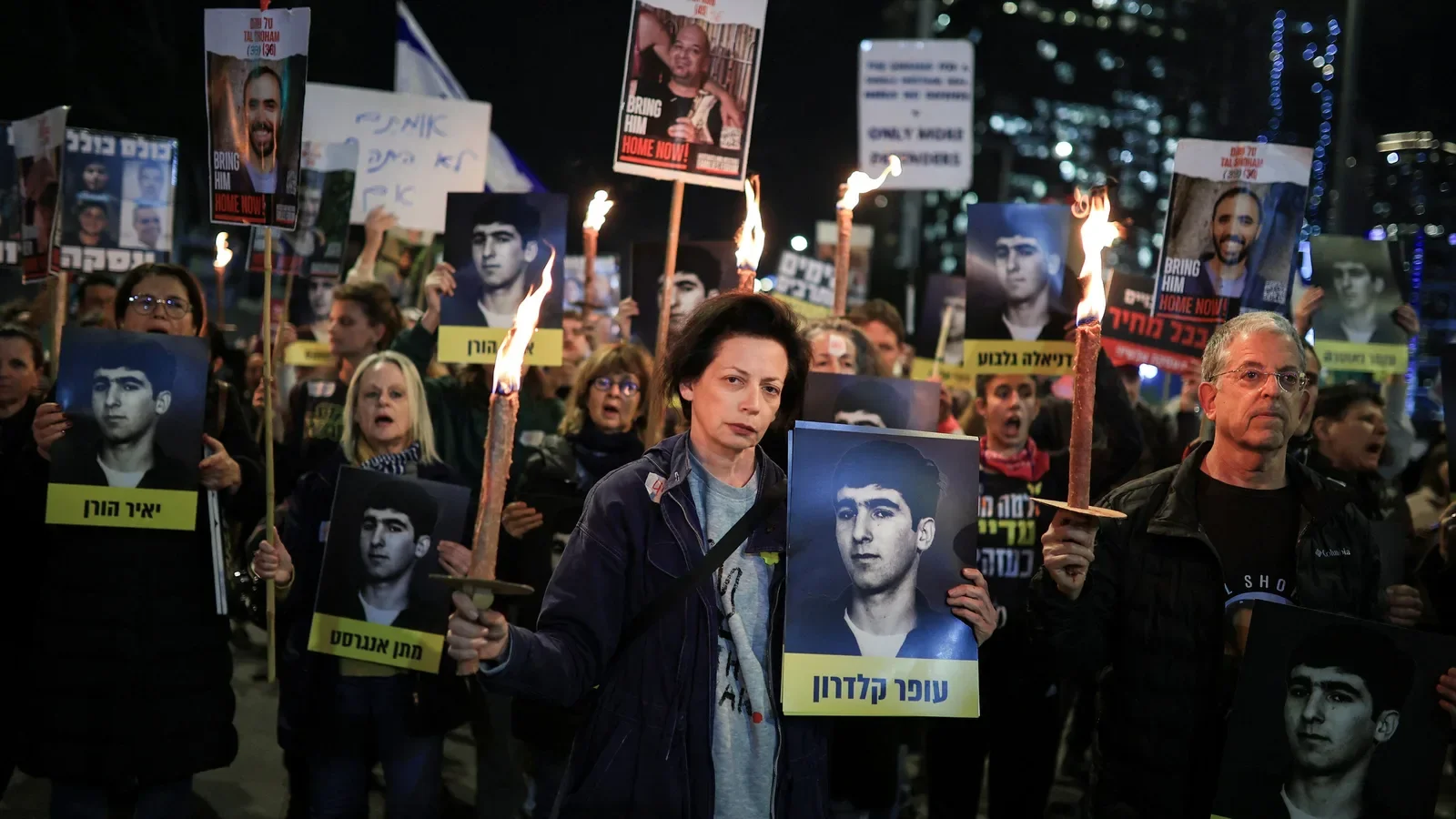
While current headlines focus on active drones, a major investigative report has reopened a dark chapter in the intelligence war between Iran and Israel. For decades, Israeli intelligence agencies operated under the conviction that Tehran was responsible for the fate of a fallen Israeli airman, Ron Arad. This belief led to a series of high-stakes operations, including the kidnapping and killing of several Iranians in retaliatory or search-based missions. However, new evidence suggests that alternative theories regarding the airman's disappearance received little attention at the time, potentially leading to decades of misdirected aggression and missed diplomatic opportunities.
This revelation underscores the deep-seated mistrust that fuels the current geopolitical standoff. The "shadow war" between the two nations is not merely a product of contemporary policy but is rooted in decades of intelligence failures and clandestine violence. For the average reader, this historical context explains why diplomatic breakthroughs remain so elusive; both sides are operating based on narratives of betrayal and blood that date back forty years. As long as these historical grievances remain unresolved, the cycle of escalation in the Gulf is likely to continue, dictating the rhythm of regional security and economic stability.

Market Reaction: Toman Holds Steady Amid Global Crypto Selloff
Despite the volatile news coming from the Persian Gulf, the Iranian domestic market has shown a surprising degree of resilience in the last 24 hours. The US Dollar (USD) sell rate moved from 268,800 to 268,000 Toman, marking a slight decrease of 0.3%. Similarly, gold markets saw a cooling period, with 18k gold dropping from 24,798,005 to 24,574,080 Toman per gram, a decline of 0.9%. The Emami coin also followed this trend, falling from 253,000,000 to 250,500,000 Toman (-1.0%). This suggests that local traders may be pricing in a "wait-and-see" approach, perhaps betting that the Bahrain incident will not lead to an immediate full-scale war.
In contrast, the global cryptocurrency market is facing a much harsher reality. Bitcoin has fallen toward a four-month low, with prices currently hovering around $65,486 after a broader selloff wiped 4% off the global crypto market capitalization. High-profile assets like Ether and Solana are also under pressure, posting double-digit weekly losses. For Iranian investors who have increasingly turned to crypto as a hedge against local inflation, this dual pressure—regional military tension and a global crypto crash—presents a complex challenge. The current market snapshot indicates that while the Toman is temporarily stable, the underlying geopolitical risks remain a powder keg for future price spikes.
Frequently Asked Questions
چرا حمله به پایگاههای آمریکا در بحرین اهمیت استراتژیک دارد؟
دلیل کاهش قیمت دلار و طلا در تهران علیرغم اخبار جنگی چیست؟
گزارش جدید نیویورکتایمز درباره رون آراد چه تأثیری بر روابط فعلی دارد؟
Geopolitical Risk and Financial Market Volatility
Geopolitical risk refers to the likelihood of political events, such as conflicts, wars, or significant diplomatic tensions, disrupting the normal course of economic activity. When headlines report events like drone attacks on military bases or broader regional escalations, this immediately heightens geopolitical risk. Investors and businesses react to this uncertainty, leading to shifts in capital flows, changes in commodity prices, and fluctuations in currency exchange rates. The Middle East, due to its strategic importance in global energy supply and complex political landscape, is particularly prone to generating such risks.
The immediate impact of escalating geopolitical tensions is often a 'flight to safety' in financial markets. This means investors tend to sell off riskier assets like stocks and emerging market bonds, and instead, flock to traditional safe-haven assets. Gold, for instance, typically sees its price rise during periods of uncertainty, as it's perceived as a reliable store of value. Similarly, the prices of key commodities like oil can surge due to concerns about supply disruptions, especially in regions critical to global energy production. Conversely, a broad market sell-off can also affect newer assets like Bitcoin, which, despite its decentralized nature, often correlates with broader market sentiment during major risk-off events.
Currencies of countries directly involved in or heavily impacted by geopolitical events are particularly vulnerable. For example, the Iranian Rial (IRR) is highly sensitive to geopolitical developments, sanctions, and regional stability. Escalations can lead to increased economic isolation, capital flight, and a loss of investor confidence, putting downward pressure on the currency's value against major world currencies like the US Dollar (USD). This not only affects international trade but also has significant implications for domestic inflation and the purchasing power of citizens.
Policymakers and central banks also face considerable challenges in navigating heightened geopolitical risk. They must balance efforts to maintain economic stability, manage inflation, and support growth amidst external shocks. Understanding these dynamics is crucial for anyone trying to make sense of global economic trends, as geopolitical events are not isolated incidents but deeply intertwined with the fabric of financial markets and everyday economic life.
Topics
Related Articles

