
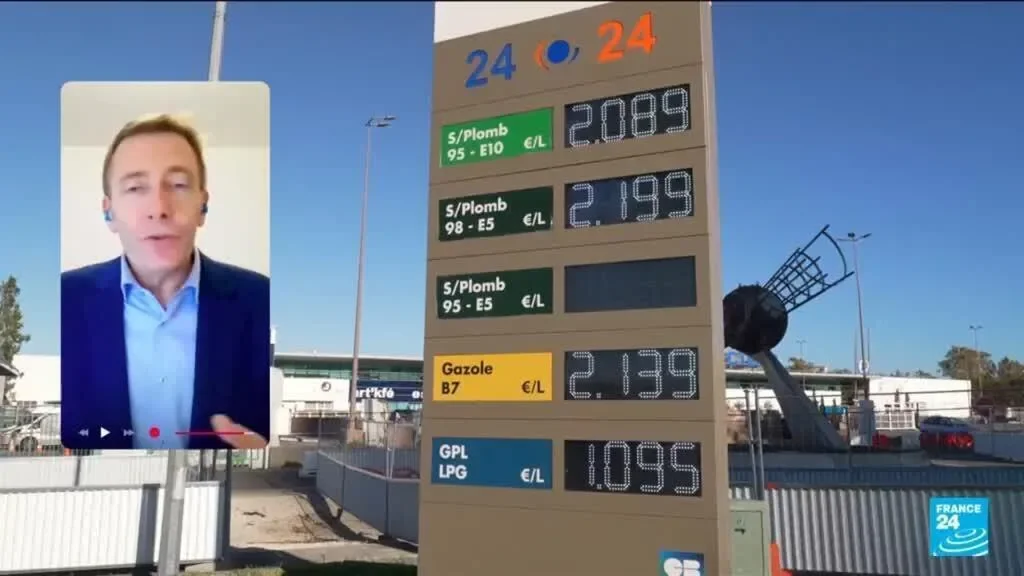
Diesel Prices Tumble as Gulf Exports Recover; Prague Braces for Historic Media Freedom Protests
سقوط قیمت جهانی گازوئیل با بازگشایی مسیرهای صادراتی؛ تظاهرات تاریخی در پراگ برای آزادی رسانهها
Global diesel prices are cooling significantly as Gulf oil exports stabilize after months of disruption, offering relief to inflation-weary economies. Meanwhile, a massive protest in Prague challenges state media control, and a high-stakes AI cheating scandal in South Korea raises alarms over academic integrity.
At time of publishing
USD
268,000
Toman
Gold 18K
24.52M
Toman / gram
Bitcoin
$65,394
US Dollar
Tether
268,200
Toman
Global Diesel Prices Ease as Winter Supply Chains Heal
Global diesel prices, which have remained painfully elevated since the onset of the regional conflict and the subsequent blockade of the Strait of Hormuz, have finally begun to retreat. As of Sunday, November 15, 2026, market data shows a sharp decline in fuel costs as Gulf exports recover and global oil supplies stabilize for the first time since February. In the United States, the national average for diesel fell below $6 a gallon on Saturday, providing a much-needed reprieve for the logistics and transportation sectors that underpin the global economy.
Despite this downward trend, the situation in Europe remains precarious. Prices in the Eurozone are still approximately 77% higher than pre-war levels, as the continent struggles to fully transition its energy infrastructure away from vulnerable supply routes. While the easing of prices is a positive signal for cooling inflation, analysts warn that the underlying volatility in the Persian Gulf continues to cast a long shadow over energy security. For Iranian readers, this shift suggests a potential recalibration of regional trade pressures, though the domestic currency remains sensitive to broader geopolitical developments.
Prague Braces for Historic Protests Over Media Independence
Hundreds of thousands of citizens are expected to gather in the streets of Prague this Sunday in what could become one of the largest demonstrations in the history of the Czech Republic. The protest is a direct response to a controversial government plan to scrap mandatory license fees that currently fund the nation’s public broadcasters. Critics argue that shifting to a state-budget funding model would effectively give the government a 'financial kill switch' over independent journalism, allowing political leaders to stifle dissent and control the narrative.
The organizers of the rally emphasize that media freedom is the cornerstone of a healthy democracy. They fear that the proposed changes will mirror the media landscapes seen in more authoritarian regimes, where state-funded broadcasters serve as mouthpieces for the ruling party rather than independent watchdogs. This movement in Czechia is being watched closely across the European Union, as it reflects a growing trend of tension between populist governments and independent institutional pillars.
AI Scandal Rocks South Korean Professional Exams
A massive cheating scandal has erupted in South Korea after the top scorer in the national tax accountant exam confessed to using generative AI to secure his near-perfect marks. The individual admitted to taking photos of the exam questions and transmitting them to an AI tool, which provided the answers in real-time. This confession follows months of suspicion after the candidate achieved unprecedented scores across two separate exams held in April and July of this year, prompting a thorough investigation by educational authorities.
This incident has sent shockwaves through South Korea’s highly competitive academic environment, especially with the annual college entrance exam, the Suneung, scheduled for this coming Thursday. The scandal highlights the growing difficulty of securing high-stakes testing environments against increasingly sophisticated digital tools. It also raises profound questions about the future of professional certification in an era where AI can outperform human experts in technical subjects, forcing a rethink of how knowledge and merit are assessed in the modern age.

Digital Finance Products Exploited in Abuse Crisis
A disturbing new report from the United Kingdom has revealed that nearly 20% of young women and girls have experienced digital financial products being used as tools of domestic abuse. According to the charity Surviving Economic Abuse, current or former partners are increasingly exploiting banking apps and online credit facilities to exert control over victims. By monitoring transactions or taking out debt in a victim's name without consent, abusers create a state of 'financial entrapment' that makes it nearly impossible for individuals to leave dangerous relationships.
The report calls for urgent reform in the fintech sector, advocating for 'safety by design' features that would allow users to flag coercive control without alerting the abuser. As digital banking becomes the global standard, the lack of safeguards for vulnerable users is being framed as a systemic failure of the financial industry. This issue is not confined to the UK, with similar trends being reported in Australia and the United States, highlighting a global need for more empathetic and secure financial technology.
Market Pulse: Toman Gains Ground Amid Global Shifts
On the domestic front, the Iranian Toman saw a slight appreciation over the last 24 hours. The USD/IRR exchange rate moved from 268,800 to 268,000, representing a -0.3% decrease in the price of the dollar. This minor correction comes as global energy markets stabilize, though the market remains on high alert for any sudden changes in regional diplomatic signals. In the precious metals market, the decline was more pronounced; Gold 18k per gram fell from 24,798,005 to 24,516,367 Toman (-1.1%), while the Emami coin dropped from 253,000,000 to 250,000,000 Toman, a -1.2% decrease.
These movements suggest a temporary cooling of the speculative fever that has gripped the Iranian market in recent weeks. However, with global gold prices sitting at a high of $3,887.60 per ounce, the cost of living and asset preservation remain significant concerns for the average household. Meanwhile, in Canada, the military community is mourning the death of a fifth soldier, Pte William Douglas Dal Bianco, who succumbed to injuries from a massive fire at CFB Wainwright, reminding the world of the human cost associated with military readiness and domestic security operations.
Watch
Global diesel prices ease as winter approaches • FRANCE 24 English
FRANCE 24 English
Frequently Asked Questions
چرا قیمت جهانی گازوئیل با وجود نزدیکی به فصل زمستان کاهش یافته است؟
دلیل اصلی تظاهرات گسترده در شهر پراگ چیست؟
هوش مصنوعی چگونه در آزمونهای ملی کره جنوبی برای تقلب استفاده شده است؟
The Geopolitical Significance of the Strait of Hormuz
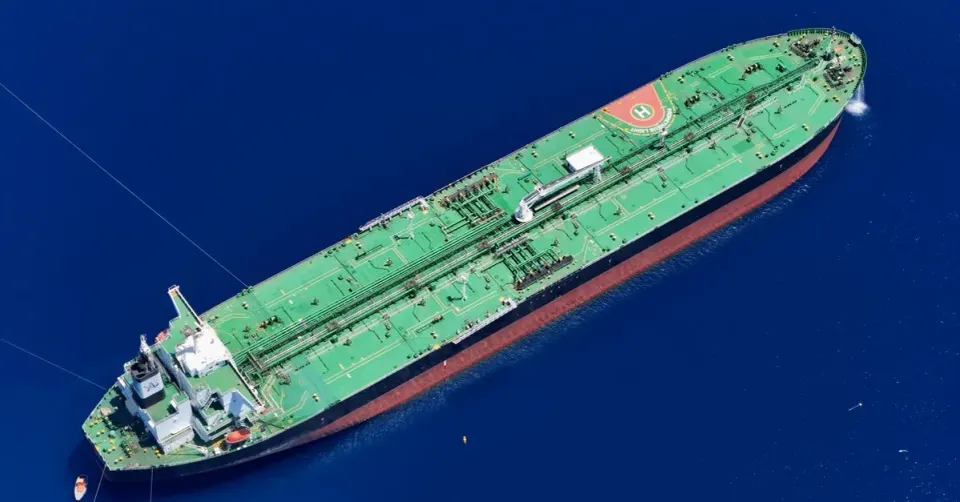
The Strait of Hormuz is one of the world's most critical maritime chokepoints, a narrow waterway connecting the Persian Gulf to the Arabian Sea and the broader Indian Ocean. Its strategic importance stems from the fact that a significant portion of the world's seaborne oil and liquefied natural gas (LNG) passes through it. For nations heavily reliant on energy imports, and for major oil and gas exporters in the Middle East, the Strait is an indispensable artery for global trade and energy security. Understanding its role is key to comprehending fluctuations in global energy prices, like the tumble in diesel prices mentioned in the headline.
Economically, the Strait of Hormuz is unparalleled. Approximately one-fifth of global oil consumption and one-third of the world's LNG trade transit this 21-mile-wide passage daily. Major oil producers such as Saudi Arabia, Iran, the UAE, Kuwait, and Iraq depend on the Strait to export their crude oil and refined products to international markets. Any disruption, even minor, can send shockwaves through global energy markets, leading to volatile price spikes, impacting everything from gasoline at the pump to the cost of industrial diesel for shipping and manufacturing.
Geopolitically, the Strait is a highly sensitive area. Bordered by Iran to the north and Oman and the United Arab Emirates to the south, it has been a focal point of regional tensions and international concern for decades. Iran, with its substantial coastline along the Strait, has historically asserted its ability to influence or potentially close the waterway in times of conflict, a threat that underscores its critical strategic value. International naval forces frequently patrol the area to ensure the free flow of commerce, highlighting the global interest in maintaining its open status.
Therefore, when news reports indicate that "Gulf Exports Recover" through the Strait of Hormuz, it signals an increase in the supply of oil and gas to the global market. This recovery often translates into lower commodity prices, as the supply side pressure eases. For instance, a robust flow of crude oil and refined products like diesel through this chokepoint means more availability for consumers worldwide, contributing directly to the "Diesel Prices Tumble" scenario. Conversely, any perceived threat or actual disruption to this vital shipping lane can quickly drive prices upward, reflecting market anxiety over potential supply shortages.
In essence, the Strait of Hormuz is more than just a waterway; it's a barometer of global energy security and geopolitical stability. Its smooth operation is fundamental to the health of the world economy, directly influencing the cost of energy that powers industries and transportation across continents.
Topics
Related Articles

