

Shenzhen Summit: Trump, Xi, and Putin Redraw Global Lines as Iran Intercepts US Drone
نشست شنژن؛ سهگانه ترامپ، شی و پوتین در کنار سرنگونی پهپاد آمریکایی در خلیج فارس
The APEC summit in Shenzhen takes center stage as global leaders meet to discuss a new world order, while regional tensions flare with Iran claiming to have downed another US MQ-9 drone. Meanwhile, the AI market shifts focus from Nvidia to Anthropic's upcoming IPO demand.
At time of publishing
USD
267,000
Toman
Gold 18K
24.48M
Toman / gram
Bitcoin
$64,238
US Dollar
Tether
269,693
Toman
The Shenzhen Summit: A New Yalta for the 21st Century?
The APEC summit in the Chinese tech hub of Shenzhen has officially become the epicenter of global geopolitics as President Donald Trump, Xi Jinping, and Vladimir Putin converge for a highly anticipated trilateral meeting. The summit, framed by Xi's 'Chinamaxxing' message, is being watched with intense anxiety by nations not present at the main table. Diplomatic observers are already drawing parallels to the Yalta Conference, fearing a grand 'carve-up' where the interests of smaller nations—including Ukraine, Taiwan, and Iran—might be traded as chips in a complex geopolitical deal. Putin’s rhetoric during the opening sessions has been particularly sharp, claiming that Europe is in a state of 'humiliating decline,' a narrative that aligns with the shift of power toward a more transactional US-China-Russia axis.
For Iran, the stakes of this summit are exceptionally high. While Tehran has historically leaned on its 'Look to the East' policy, the prospect of its primary sponsors, Russia and China, engaging in a direct trade-off with a Trump-led Washington creates a sense of strategic vulnerability. If the three superpowers agree on a new security framework for the Middle East or a revised nuclear containment strategy without Tehran's direct input, the Islamic Republic could find itself facing a unified front of external pressure. This diplomatic movement is already reflecting in the domestic markets, as traders remain cautious, waiting to see if the Shenzhen rhetoric translates into concrete policy shifts regarding sanctions or regional influence.

Escalation in the Gulf and the Hegseth Controversy
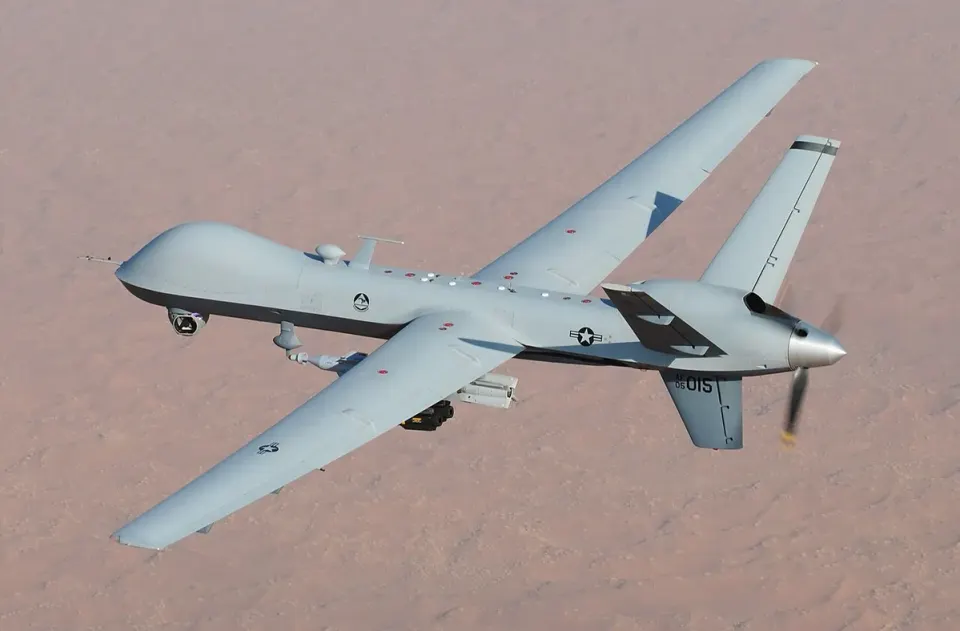
While high-level diplomacy unfolds in China, the physical landscape of the Middle East remains volatile. Iran’s Army Air Defense Force announced on Wednesday that it intercepted and destroyed another US MQ-9 Reaper drone in the skies east of the Strait of Hormuz. This incident marks another chapter in the ongoing shadow war between Washington and Tehran, occurring precisely as global leaders discuss regional security in Shenzhen. The timing of the shootdown is widely interpreted as a signal from the Iranian military that it will not be ignored or 'carved up' in absentia during the APEC negotiations. Such kinetic actions often serve as a reminder of Iran's leverage over critical energy shipping lanes, regardless of what is decided in a boardroom thousands of miles away.
Adding another layer of complexity to US-Middle East relations is the burgeoning controversy surrounding Pete Hegseth, Trump's pick for Defense Secretary. Reports have surfaced that one of his key advisers, former Senator Norm Coleman, is facing scrutiny over deep-seated ties to an Israeli defense contractor and Saudi Arabia. This 'walking conflict of interest,' as labeled by government watchdogs, suggests a defense policy that could be heavily tilted toward a specific regional alliance. For Iranian observers, this signals a potential hardening of the US stance, as the incoming administration’s inner circle appears deeply integrated with Tehran’s primary regional rivals. The intersection of these personnel choices with active military engagements in the Gulf suggests a period of heightened unpredictability.
AI Market Pivot: From Nvidia to Anthropic’s IPO Surge
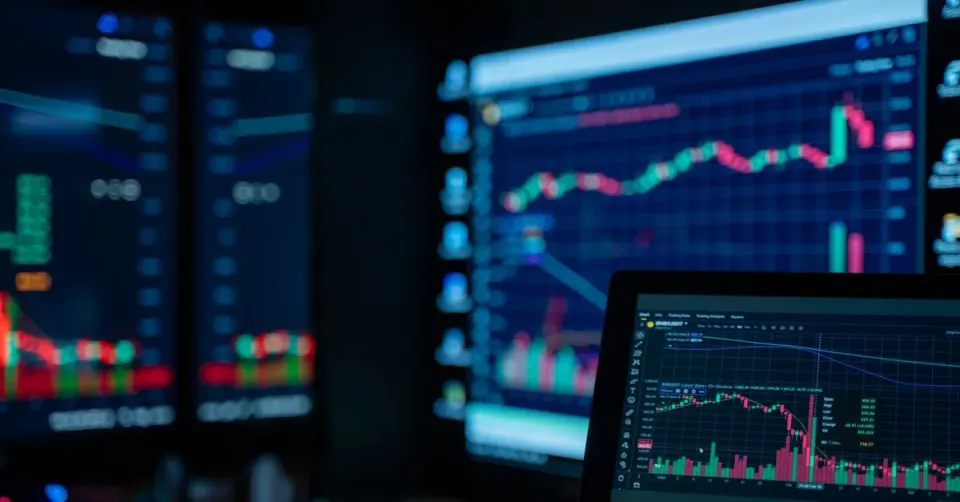
In the financial world, the narrative is shifting from the hardware dominance of Nvidia to the next generation of AI agents. While Nvidia navigates a leadership transition following Colette Kress’s first earnings call as interim CEO, investor appetite is surging for Anthropic’s upcoming IPO. This pivot reflects a broader 'valuation reset' in the tech sector, where investors are looking beyond the chips and toward the actual applications and models that will drive the next decade of growth. The demand for Anthropic shares indicates that despite recent volatility, the AI boom is far from over; it is merely maturing into a more selective phase. This shift is critical for global markets as it dictates where capital will flow in a high-interest-rate environment.
Domestically, the Iranian market has reacted with mixed signals to these global shifts. On Wednesday, November 18, 2026 (27 Aban 1405), the USD/IRR exchange rate saw a minor uptick, moving from 266,700 to 267,000 (+0.1%). Conversely, gold prices experienced a notable retreat, with 18k gold per gram falling from 24,751,835 to 24,477,122 Toman (-1.1%). The Emami coin also dipped slightly to 251,000,000 Toman (-0.4%). This divergence—a steady dollar against falling gold—suggests that while there is underlying concern about the Shenzhen summit, the immediate panic that typically drives gold buying has cooled, perhaps as investors wait for the final communique from the APEC leaders.
Watch
WATCH: Xi Jinping greets Trump, Putin and other leaders at APEC summit dinner in China
Associated Press
Frequently Asked Questions
Why is the Shenzhen summit being compared to Yalta?
What caused the 1.1% drop in gold prices in Iran today?
What is the significance of the MQ-9 drone shootdown over the Strait of Hormuz?
The Rise of Geopolitical Multipolarity
The "Shenzhen Summit" and the reported meeting between leaders like Trump, Xi, and Putin, alongside incidents such as Iran intercepting a US drone, are indicative of a fundamental shift in global power dynamics: the emergence of geopolitical multipolarity. This concept describes an international system where several major powers, rather than just one (unipolarity) or two (bipolarity), exert significant influence over global affairs. After the Cold War, the world largely operated under a unipolar system dominated by the United States. However, recent decades have seen the rise of new economic and military powers, most notably China, and the resurgence of others, like Russia, challenging this established order.
In a multipolar world, power is more diffused, leading to a complex web of alliances, rivalries, and strategic competition. This environment often results in increased unpredictability and a higher potential for regional conflicts to draw in great powers. For instance, the drone incident involving Iran, a significant regional actor, can be seen as a manifestation of this new reality, where nations are increasingly assertive in challenging established norms or projecting their influence, knowing that the global power balance is in flux. Such events are no longer isolated incidents but often reflect broader shifts in the international pecking order.
The economic dimension is also crucial. The rise of economic giants like China, coupled with the strategic use of economic tools such as sanctions (which can impact exchange rates like USD/IRR or commodity prices like gold in specific regions), further complicates the multipolar landscape. Nations leverage their economic might to gain geopolitical advantage, creating a dynamic where trade, finance, and technology become instruments of statecraft. Understanding multipolarity is therefore essential for interpreting the seemingly disparate headlines about high-level summits, military confrontations, and economic fluctuations, as they are all interconnected threads in a changing global tapestry.
Topics
Related Articles


