

UK Sanctions Halt Israel’s Settlement Push While Anthropic’s Founders Edge Toward Multi-Billion Dollar IPO
توقف شهرکسازیهای اسرائیل تحت فشار تحریمهای بریتانیا و خیز بنیانگذاران انتروپیک برای ثروت میلیاردی
Israel delays critical West Bank building contracts following UK sanctions, signaling a rare victory for international diplomatic pressure. Meanwhile, the AI sector prepares for a massive wealth transfer as Anthropic’s founders approach a blockbuster IPO, and analysts warn that the 'frozen war' between the US and Iran is entering a volatile new phase.
At time of publishing
USD
266,200
Toman
Gold 18K
24.47M
Toman / gram
Bitcoin
$63,817
US Dollar
Tether
269,025
Toman
UK Sanctions Force a Tactical Retreat in the West Bank
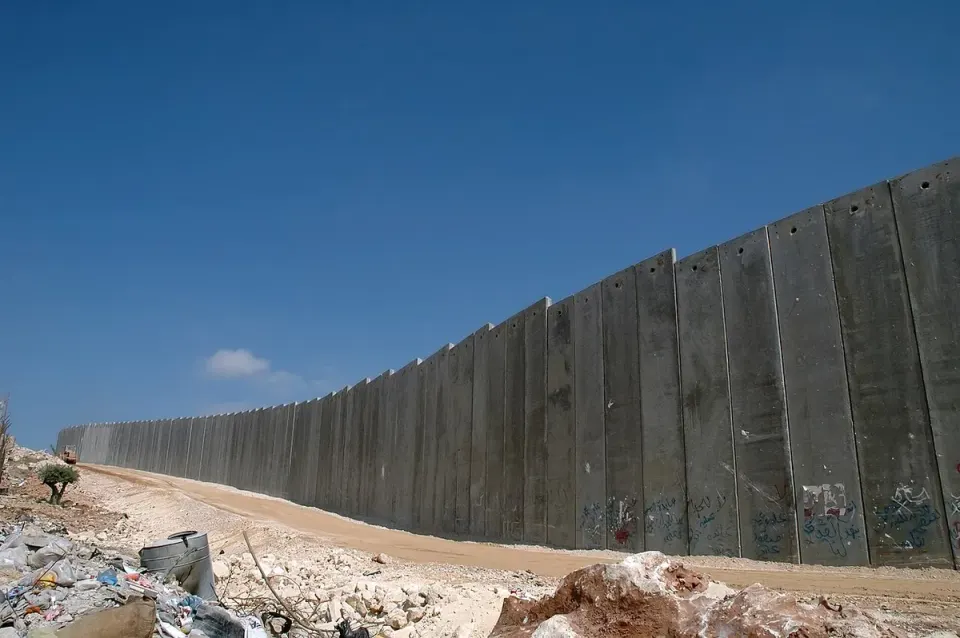
In a significant development for Middle Eastern geopolitics, Israel has officially postponed the issuance of construction contracts for the controversial E1 settlement in the West Bank. This move comes just days after the United Kingdom imposed targeted sanctions against building firms operating in the occupied territories. While Israeli diplomats have publicly insisted that the delay is not a direct response to Downing Street’s pressure, the timing is too precise to ignore. The decision was bolstered by Attorney General Gali Baharav-Miara, who ruled that such a consequential expansion should not be spearheaded by Benjamin Netanyahu’s current caretaker government, but rather by a future administration with a clear mandate.
This delay is particularly crucial because the E1 area is often described as the 'doomsday' settlement for the two-state solution. By building in this specific corridor, Israel would effectively sever the northern West Bank from the south and isolate East Jerusalem from its Palestinian hinterland. The intervention of the Attorney General, combined with the bite of British sanctions, suggests that international legal and economic tools are starting to create real friction for settlement expansion policies. For the reader, this represents a rare moment where secondary sanctions from a Western ally have forced a pause in a long-standing territorial strategy, highlighting the growing power of economic statecraft over traditional diplomacy.
The Fragile Illusion of the 'Frozen War'
As regional tensions simmer, analysts are increasingly questioning whether the United States and Iran can maintain what has been dubbed a 'frozen war.' While both sides have historically avoided a full-scale direct conflict, recent events suggest the status quo is becoming untenable. Reports of Iranian drones and missiles targeting sites in Kuwait and Bahrain on Wednesday indicate that the conflict is spilling out of the shadows and into the territories of Gulf Arab states. Analyst Hamidreza Azizi suggests that Tehran may eventually find 'escalating confrontation' more beneficial than a status quo that offers no sanctions relief and constant military pressure, potentially leading to a sharp breakdown in regional stability.
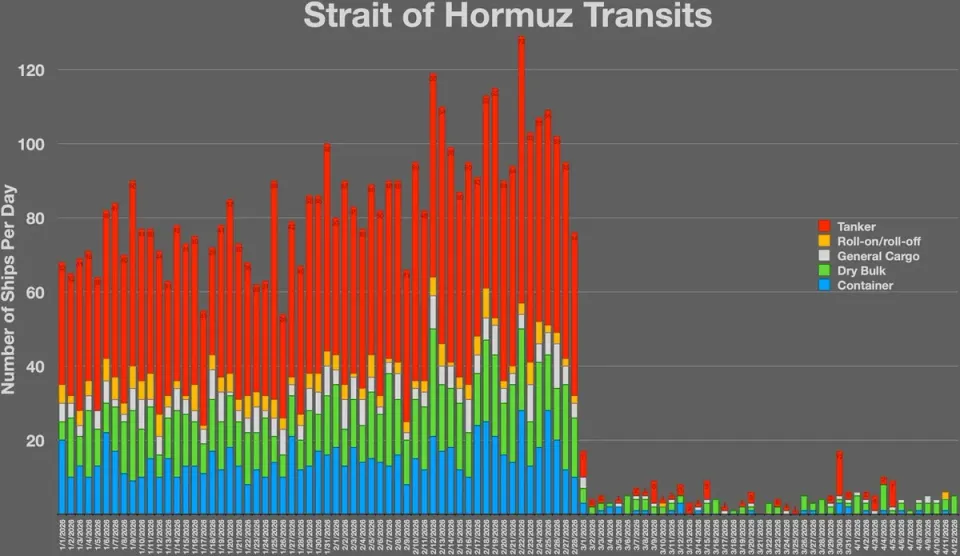
Adding to the nuclear anxiety, the International Atomic Energy Agency (IAEA) reported today that North Korea has completed external works on a significant extension of its Yongbyon enrichment facility. IAEA chief Rafael Grossi expressed serious concern over Pyongyang’s nuclear trajectory, which serves as a grim mirror to the ongoing stalemate in Iran. For the global economy, this 'frozen war' is a primary driver of market volatility; any shift from a cold to a hot conflict would immediately jeopardize energy transit through the Strait of Hormuz, where US and Iranian forces are already exchanging tit-for-tat strikes according to recent reports. This instability is a key reason why risk assets and gold remain highly sensitive to every diplomatic twitch in the region.
AI Wealth and the Anthropic IPO Fever
The technology sector is currently transfixed by the upcoming public debut of Anthropic, the AI firm behind the Claude chatbot. Seven of the company’s founders are poised to become multi-billionaires overnight as they prepare to sell shares on the US stock market. This IPO represents more than just a massive wealth transfer; it is a litmus test for the 'AI bubble' narrative. While early investors are eager to capitalize on the hype, everyday retail investors are reportedly expressing doubt, fearing that the valuations are inflated and driven more by 'apocalyptic' marketing than sustainable revenue models.
This surge in AI valuation is occurring against a backdrop of intense market concentration. Currently, only two of the so-called 'Magnificent Seven' stocks—Alphabet and Apple—have managed to consistently beat the S&P 500 since the beginning of 2025 by integrating AI in ways that resonate with Wall Street’s bottom line. For the average investor, the Anthropic IPO is a high-stakes gamble on the future of productivity. If the IPO succeeds, it will solidify AI’s role as the primary engine of the 2026 economy; if it falters, it could trigger a broader correction across the tech-heavy indices that have carried the market for the past two years.
Domestic Markets and the Cost of Living Crisis
Turning to the Iranian domestic market, the Toman saw a slight appreciation over the last 24 hours. The USD sell rate moved from 266,700 to 266,200, representing a -0.2% decrease. This minor correction reflects a brief pause in the recent rally, though the currency remains under heavy pressure from regional geopolitical risks. Gold prices also saw a more pronounced retreat, with 18k gold per gram falling from 24,751,835 to 24,474,814 Toman, a -1.1% drop. Emami coins followed suit, dipping from 252,000,000 to 251,000,000 Toman (-0.4%).
Meanwhile, in the UK, inflation has hit its fastest pace in a year, driven by soaring energy costs and the ripple effects of Middle Eastern instability on supply chains. This global inflationary pressure is making everyday items like heating, chocolate, and even cat food significantly more expensive for the average consumer. Even the environment is paying a price; the UK's environment regulator has warned that the government is 'breaking the law' by failing to stop a catastrophic decline in wild bird populations, which have hit record lows. Whether in the currency exchanges of Tehran or the grocery aisles of London, the cost of geopolitical and environmental neglect is becoming increasingly unavoidable for the global citizen.
Frequently Asked Questions
Why did Israel delay the West Bank construction contracts?
What is the significance of the Anthropic IPO?
How has the Iranian market responded to recent geopolitical tensions?
Understanding Economic Sanctions: A Tool of International Diplomacy
Economic sanctions are a powerful, non-military tool employed by countries or international bodies to influence the behavior of other states, entities, or individuals. As highlighted by the UK's actions concerning Israeli settlements, these measures are designed to impose economic costs on a target, thereby compelling them to alter specific policies or actions. Sanctions can take various forms, including trade embargoes, restrictions on financial transactions, asset freezes, travel bans, and limitations on access to critical technologies. Their primary objective is often to pressure a target without resorting to military force, aiming instead to achieve foreign policy goals such as promoting human rights, combating terrorism, preventing nuclear proliferation, or resolving territorial disputes.
The mechanisms through which sanctions operate are diverse. For instance, financial sanctions might cut off a country's access to international banking systems, making it difficult to conduct global trade or secure foreign investment. Trade sanctions, on the other hand, can restrict the import or export of specific goods, impacting a target's industrial capacity or consumer markets. The effectiveness of sanctions is a subject of ongoing debate among policymakers and academics. While they can undeniably inflict economic pain and, at times, achieve desired policy shifts, they also carry risks. These include potential humanitarian consequences for the civilian population, the strengthening of black markets, or even the entrenchment of authoritarian regimes that use sanctions as a pretext for further control.
Historically, sanctions have been applied in a wide array of geopolitical contexts, from efforts to halt nuclear programs (as seen with North Korea and Iran) to attempts to influence internal political dynamics or resolve long-standing conflicts, like the Israeli-Palestinian issue. They represent a complex interplay of economic leverage and diplomatic pressure, often forming a key component of a broader foreign policy strategy. Understanding economic sanctions is crucial for grasping how international relations are conducted, how states attempt to enforce norms, and the intricate balance between national sovereignty and global governance.
Topics
Related Articles

