How to Hedge Against Toman Devaluation with Small Capital During the Hormuz Blockade
آموزش گامبهگام حفظ ارزش دارایی با سرمایه خرد در بحبوحه انسداد تنگه هرمز
As the Strait of Hormuz remains deadlocked and oil prices surge past $100, the Toman is under immense pressure. Learn how to use fractional gold and digital stablecoins to protect your purchasing power without needing billions in upfront capital.
At time of publishing
USD
154,050
Toman
Gold 18K
17.65M
Toman / gram
The Reality of the 154,000 Toman Dollar
As of April 23, 2026, the Iranian market is navigating one of its most complex geopolitical minefields in years. With the US Navy Secretary resigning and the Strait of Hormuz effectively blocked, the USD/IRR rate has stabilized at a staggering 154,050 Toman. While the 24-hour change shows a 0.0% movement, this is the 'calm before the storm'—a plateau where smart investors prepare for the next leg of volatility. In this environment, holding idle Toman in a standard bank account is essentially a slow-motion liquidation of your wealth. The challenge for many Iranians is that traditional hedges, like buying a full Emami coin at 177 million Toman or investing in real estate, require massive capital that the average household simply doesn't have.
However, the 2026 fintech landscape in Iran offers tools that didn't exist during previous crises. Hedging is no longer reserved for the elite. By understanding how to move small amounts of capital—even as little as one or two million Toman—into harder assets, you can create a defensive perimeter around your savings. The goal is not necessarily to 'get rich' overnight, but to ensure that when you wake up in a month, your 10 million Toman can still buy the same basket of goods it does today, regardless of what happens in the Persian Gulf shipping lanes.
Strategy 1: Fractional Gold and the 18k Advantage
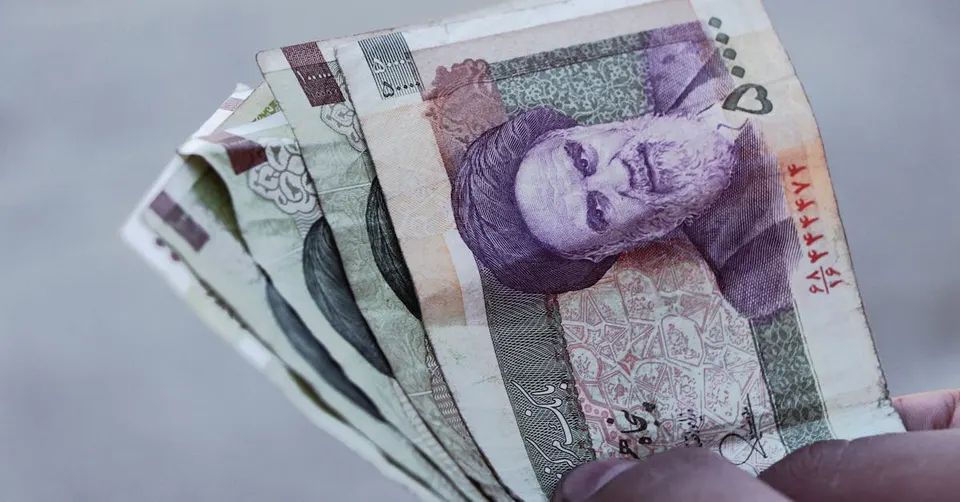
Today’s market data shows 18k gold at 17,646,936 Toman per gram, reflecting a slight -0.7% dip over the last 24 hours. For a strategic investor, this minor retracement is an entry point. You do not need to buy a full coin to benefit from gold’s status as a safe haven. Fractional gold investments, specifically through 'Melted Gold' (Ab-Shodeh) accounts or digital gold platforms, allow you to buy as little as 100 milligrams of gold. This 'micro-stacking' approach ensures that your capital is pegged to the global gold price (currently at $4,703.60/oz) and the local USD rate simultaneously.
When buying fractional gold, focus on liquidity. In the current 2026 context, physical 'Parsian' gold cards are popular but carry higher bubbles and spreads. Instead, look for reputable digital platforms that allow for instantaneous conversion back to Toman. Given the reports of 'hybrid warfare' and cyber threats mentioned in recent news, ensure you are using platforms with multi-factor authentication and a proven track record of remaining operational during internet disruptions. Gold is the ultimate hedge against the 'Generals' now running the Iranian economy; it is a borderless asset that thrives on the very uncertainty we see in the headlines.
Strategy 2: Digital Dollars (USDT) as a 24/7 Exit Ramp
While gold protects against long-term inflation, Tether (USDT) provides immediate liquidity and a direct peg to the US Dollar. With the USD sell rate at 154,050, USDT often trades at a slight premium in Iran due to high demand during blockades. The primary advantage of USDT is that it operates outside the traditional banking system's hours. If a major escalation occurs in the Strait of Hormuz at 2:00 AM on a Friday, you cannot buy gold at a bazaar, but you can swap Toman for USDT on a P2P exchange in seconds. This allows you to 'lock in' a rate before the local market officially opens and gaps higher.
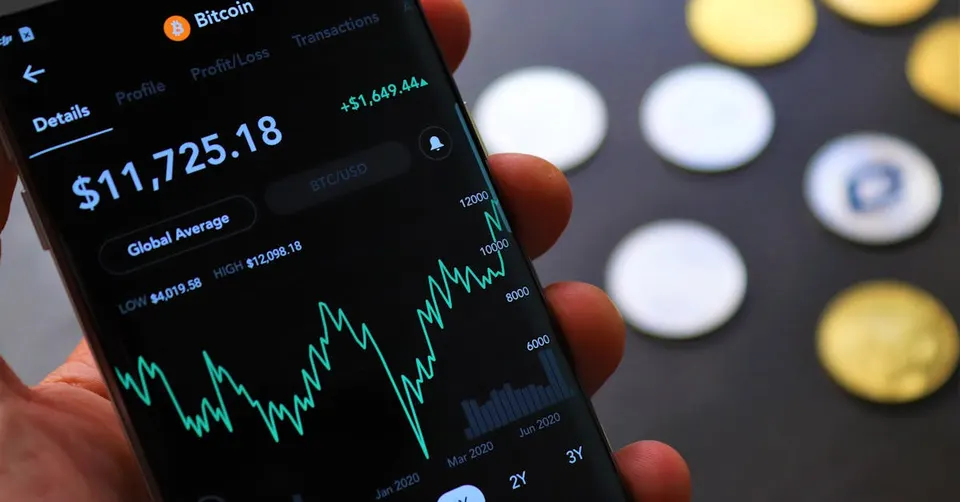
To do this safely, avoid keeping your USDT on the exchange. Use a non-custodial wallet. In today's climate, where international sanctions are tightening (as seen with the EU's new Russia sanctions and the Trump administration's aggressive posture), centralized exchanges are a point of failure. By moving your digital dollars to a private wallet, you effectively move your wealth out of the reach of local bank freezes or international seizures. Remember, the 0.0% change in USD price today is an opportunity to set up these systems before the next price surge occurs.
Setting Your 'Panic' and 'Profit' Alerts
Execution is nothing without monitoring. Given the midday snapshot, you should set three specific alerts on your phone using tools like Arzbin or TradingView. First, a 'Volatility Alert' for USD/IRR at the 156,000 level; a break above this suggests the Hormuz blockade is pricing in a permanent shift. Second, a 'Buying Opportunity' alert for 18k gold if it drops another 1% to the 17.4M range. Third, monitor the 'Gold Ounce' globally. If the $4,700 support level breaks, it might signal a global shift that outweighs local currency depreciation.

Finally, diversify your entry points. Don't move all your Toman at once. Use a 'DCA' (Dollar Cost Averaging) strategy over the next week. The news cycle is moving fast—from train collisions in Denmark to naval resignations in the US. This noise creates 'whipsaws' in the market. By buying in smaller increments every 48 hours, you smooth out your entry price and reduce the risk of buying a local 'top' driven by temporary panic. Stay liquid, stay informed, and remember that in a crisis, the person with the most flexible assets wins.
Concept Diagram
Watch
TETHER - USDT #crypto #stable-coin
MANAZ Altcoin INSIGHTS
Frequently Asked Questions
Is buying digital gold safe during internet shutdowns in Iran?
Why did gold drop 0.7% while the dollar remained stable today?
Can I use USDT to pay for international services if the blockade worsens?
What is the minimum capital needed for fractional gold in 2026?
Fractional Gold Investment: A Practical Hedge Against Toman Devaluation
In economies plagued by high inflation and volatile exchange rates, investors often turn to gold as a classic safe‑haven asset. Traditional gold buying, however, requires substantial capital and secure storage, which can be prohibitive for ordinary Iranians with limited funds. Fractional gold investment—the practice of buying tiny, tradable portions of a gold bar or coin—solves this problem by allowing investors to own a slice of the metal for a fraction of its full price. Digital platforms and fintech services now issue electronic certificates or tokens that represent a specific gram weight, making the process as simple as purchasing a stock on a mobile app.
The mechanics are straightforward: a licensed custodian purchases physical gold, stores it in a high‑security vault, and then issues digital claims equal to the gold’s weight. When you buy, say, 0.01 g of gold, the platform records your ownership and updates your balance in real time. Because the underlying asset is tangible, the value of these digital tokens moves closely with the international gold price, providing a natural hedge against the devaluation of the Iranian toman. Even if the local currency loses 30 % of its value in a month, the gold‑linked token retains its global purchasing power, offsetting the loss.
In the Iranian context, fractional gold has gained popularity during periods of heightened sanctions and the Strait of Hormuz blockade, which exacerbate currency volatility. Fintech firms have integrated these services with local payment gateways, allowing users to fund purchases with Iranian banks or even with stablecoins like USDT, whose Tehran price often diverges from the global market. This dual‑currency approach lets investors lock in gold exposure while navigating the limited availability of foreign exchange. Moreover, because the investment can be as low as a few thousand tomans, it becomes accessible to small‑scale savers seeking to protect their wealth.
While fractional gold offers many advantages, investors should be mindful of counterparty risk. The safety of your holdings depends on the custodian’s reputation, insurance coverage, and regulatory oversight. It is advisable to choose platforms that are transparent about their gold reserves, provide regular audit reports, and are licensed by Iran’s Central Bank or recognized international bodies. By doing so, you can enjoy the benefits of a low‑cost, liquid hedge without exposing yourself to undue fraud or mismanagement.
In summary, fractional gold investment merges the timeless stability of gold with modern digital convenience, making it an effective tool for hedging against toman devaluation, especially during geopolitical shocks like the Hormuz blockade. As fintech ecosystems evolve, this approach is likely to become an even more integral part of personal finance strategies in Iran and other emerging markets.