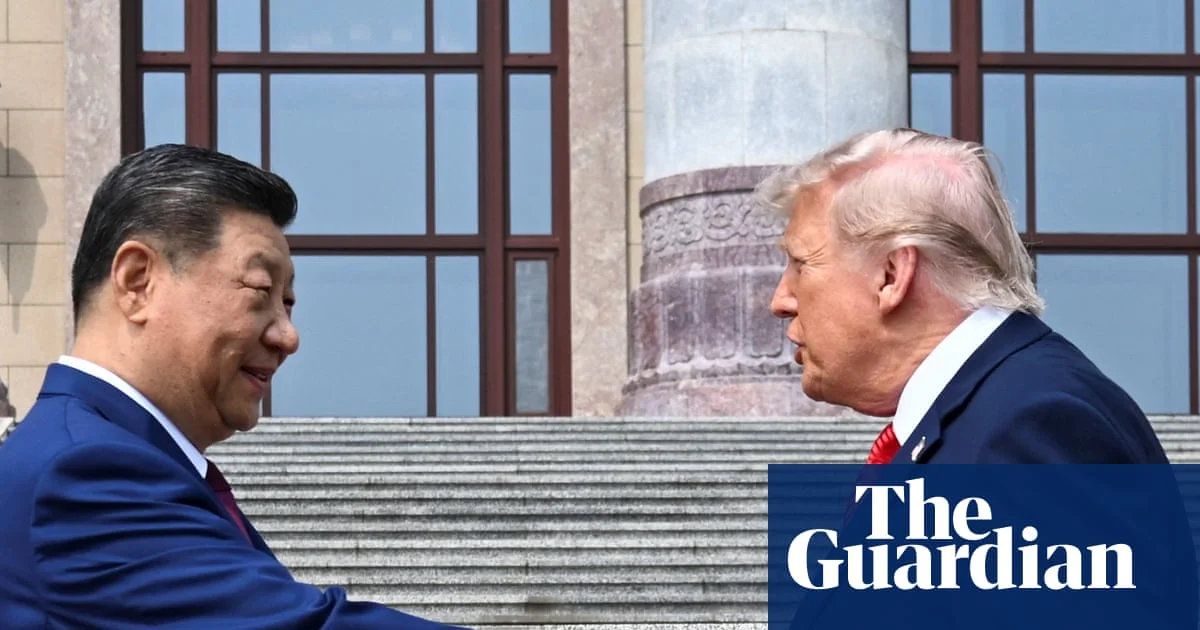
Hedging the Summit: 4 Steps to Protect Your Capital as Trump and Xi Meet in Beijing
مهار تورم در سایه نشست پکن؛ ۴ گام عملی برای حفظ ارزش دارایی همزمان با دیدار ترامپ و شی
As President Trump and Xi Jinping negotiate in Beijing, the USD/IRR has already climbed to 181,500. This guide provides a practical blueprint for hedging your Rial savings using fractional gold and stablecoins during this period of extreme geopolitical uncertainty.
At time of publishing
USD
181,500
Toman
Gold 18K
20.57M
Toman / gram
Bitcoin
$79,672
US Dollar
Tether
17,895
Toman
The Beijing Signal: Why Your Rial is Losing Value Today
The ongoing summit in Beijing between Donald Trump and Xi Jinping is not just a diplomatic photo-op; it is a direct driver of the Iranian currency market. As the two leaders discuss trade, AI, and the future of Iranian sanctions at the Great Hall of the People, the market is pricing in uncertainty. Today, we saw the USD/IRR sell rate climb 1.1% to reach 181,500 Toman. When global titans negotiate, the Rial often reacts before a single document is signed, as local traders anticipate either a breakthrough or a breakdown in international relations.
For the average Iranian saver, this means the 'wait and see' approach is becoming increasingly expensive. With Xi Jinping warning Trump that mishandling issues like Taiwan or regional conflicts could lead to a 'dangerous place,' the risk premium on the Rial is expanding. To protect your purchasing power, you must move from passive observation to active hedging. This requires understanding that the current price action is driven by sentiment, and sentiment can shift faster than you can reach your local exchange.

Step 1: Execute Fractional Gold Purchases
Gold remains the ultimate hedge in Iran, with 18k gold rising 0.9% today to 20,568,124 Toman per gram. You do not need the 197 million Toman required for a full Emami coin to protect yourself. The first step in a volatile market like today's is fractional hedging. Many digital platforms now allow you to buy gold in milligram increments. By converting a portion of your monthly Rial income into 18k gold immediately upon receipt, you bypass the psychological barrier of 'waiting for a dip' that may never come during a high-stakes summit.
Consistency is more important than timing the absolute bottom. As the Emami coin rose 0.5% in just 24 hours, those who waited for a correction were left behind. In a market influenced by the Strait of Hormuz's security—where tankers are only just beginning to clear the chokepoint—gold acts as a dual hedge against both local currency devaluation and regional escalation. Focus on 18k melted gold (Ab-shodeh) or digital gold certificates to minimize the 'hobab' (bubble) premium found in minted coins.
Step 2: Utilize USDT as a Liquidity Buffer
While gold is for long-term preservation, Tether (USDT) provides the liquidity needed for rapid pivots. Currently trading at 17,895 Toman, USDT offers a way to hold 'digital dollars' without the physical risks of storing cash. Despite recent reports of losses in major crypto treasuries like David Bailey’s Nakamoto, the underlying demand for USDT in Iran remains robust. It serves as a bridge to global markets, allowing you to move in and out of positions as news breaks from the Beijing summit.
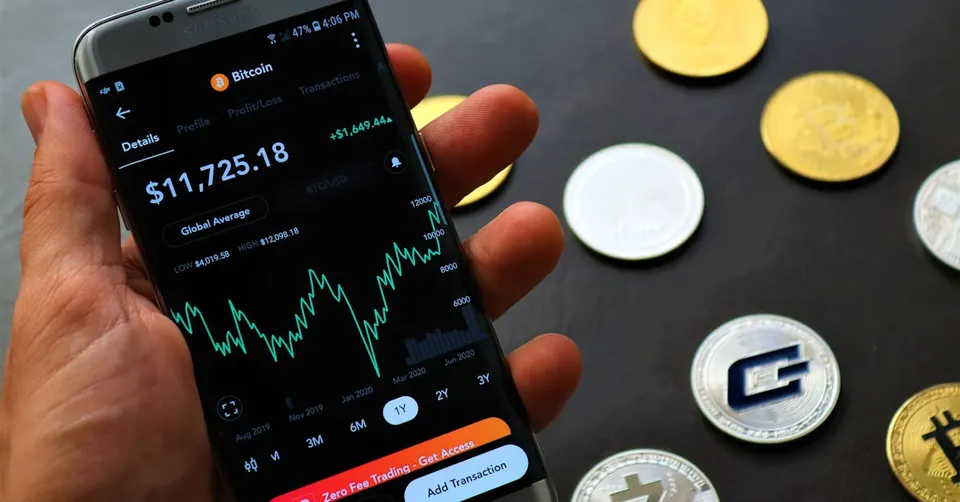
When using USDT, safety is paramount. With the US government weighing pardons for figures like Sam Bankman-Fried or crypto developers, the regulatory landscape is shifting. However, for the Iranian user, the primary risk is local. Use reputable P2P platforms and never keep your entire hedge on an exchange. Move your USDT to a non-custodial wallet. This ensures that even if the Beijing talks result in tighter financial monitoring, your digital assets remain under your direct control, ready to be liquidated back into Rial only when you need to make a purchase.
Step 3: Monitor the Energy and Trade Chokepoints
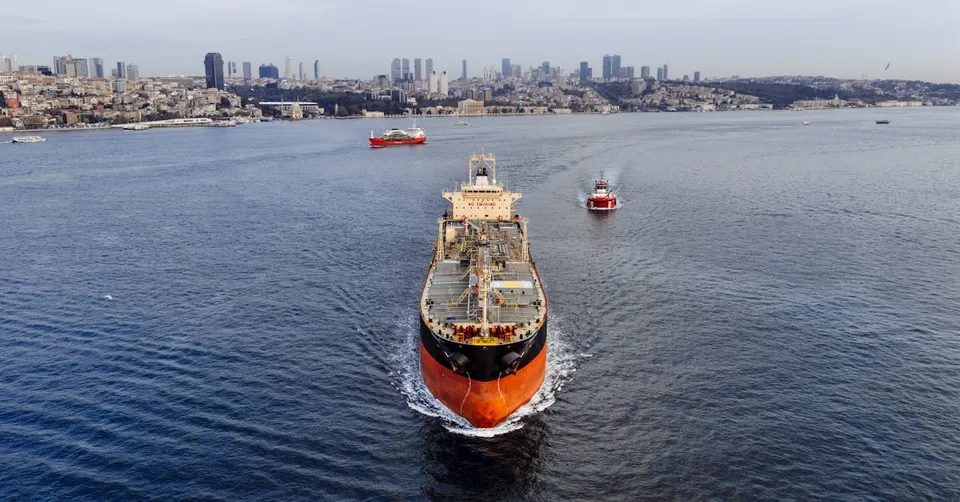
To effectively hedge, you must look beyond the currency charts and watch the physical movement of goods. The news that a Japan-bound tanker recently cleared the Strait of Hormuz amid an Iranian crackdown is a critical indicator. Energy flows dictate the availability of hard currency in the Iranian budget. If the Trump-Xi summit leads to a de-escalation in shipping tensions, we might see a temporary cooling of the USD rate. Conversely, any sign of increased friction will send the Rial lower.
Set alerts for 'Strait of Hormuz' and 'US-China trade tariffs' on your financial news apps. If you see reports of shipping disruptions, it is usually a signal to increase your hedge. Today’s 1.1% jump in the dollar is a reminder that the market is jittery. By keeping a portion of your portfolio in a mix of 60% gold and 40% stablecoins, you create a balanced shield that protects against the 'flash crashes' of the Rial while maintaining enough liquidity to take advantage of market opportunities as they arise.
Watch
Trump arrives in Beijing for high-stakes summit with Xi
ABC News
Frequently Asked Questions
Why is the USD rising specifically because of the Beijing summit?
Is it better to buy physical gold or digital gold during this volatility?
Does the Nakamoto Q1 loss affect the safety of my USDT in Iran?
What is the 60/40 strategy mentioned in the guide?
Understanding Hedging: Protecting Capital in Uncertain Times
Hedging is a financial strategy employed to offset the risk of adverse price movements in an asset. Essentially, it's like taking out an insurance policy against potential losses. Investors, businesses, and even individuals use hedging to protect themselves from various forms of market volatility, such as currency fluctuations, commodity price swings, or interest rate changes. The primary goal of hedging is not to make a profit, but rather to minimize potential losses and provide a degree of certainty in an unpredictable economic landscape.
There are numerous ways to hedge, depending on the specific risk an investor wishes to mitigate. For instance, to hedge against currency depreciation, one might buy a more stable foreign currency like the US Dollar (USD) or invest in assets denominated in that currency. Commodities like gold have historically served as a hedge against inflation and economic instability, as their value often holds or increases when traditional currencies falter. In the digital realm, stablecoins like USDT, which are pegged to fiat currencies, can offer a form of digital hedging against local currency volatility, though they carry their own set of risks.
The relevance of hedging becomes particularly pronounced during periods of heightened geopolitical tension or significant economic uncertainty, such as international summits, trade disputes, or regional conflicts like those impacting critical shipping lanes (e.g., the Strait of Hormuz). In such environments, political decisions or unforeseen events can trigger rapid and substantial shifts in asset prices, exchange rates, and overall market sentiment. For individuals and businesses operating in economies prone to high inflation or currency depreciation, like Iran, strategic hedging becomes a crucial tool for preserving purchasing power and capital.
While hedging offers significant benefits in risk management, it is not without its costs and complexities. Implementing hedging strategies often involves transaction fees, opportunity costs (missing out on potential gains if the market moves favorably without the hedge), and the need for sophisticated market understanding. Furthermore, a perfect hedge is rare, and some residual risk usually remains. Therefore, a well-thought-out hedging strategy requires careful analysis of the risks involved, the costs of protection, and the desired level of exposure.