Gold or Bitcoin? How to Choose Your Hedge as Regional Nuclear Deals Shift the Rial’s Future
طلا یا بیتکوین؟ راهنمای انتخاب پناهگاه امن در سایه توافقات هستهای منطقه و نوسان دلار
With the U.S. and Saudi Arabia signing a landmark nuclear pact and crypto protocols facing $35 million in hacks, Iranian investors are caught between traditional safety and digital agility. Learn how to evaluate your store of value as the Dollar hovers at 191,800 Toman.
At time of publishing
USD
191,800
Toman
Gold 18K
18.85M
Toman / gram
Bitcoin
$65,687
US Dollar
Tether
191,208
Toman
The Geopolitical Trigger: Why Your Hedge Strategy Must Change
The landscape of the Middle East is shifting under our feet. The recent landmark nuclear deal between the United States and Saudi Arabia, which potentially allows for domestic uranium enrichment in the Kingdom, has sent shockwaves through regional capitals. For an Iranian investor, this isn't just a headline about energy; it is a signal of a changing balance of power and a potential regional arms race. When geopolitical stakes rise, the Iranian Rial historically feels the pressure of uncertainty. Today, with the USD selling at 191,800 Toman, we are seeing a 0.1% creep upward, reflecting a market that is cautiously watching these diplomatic maneuvers.
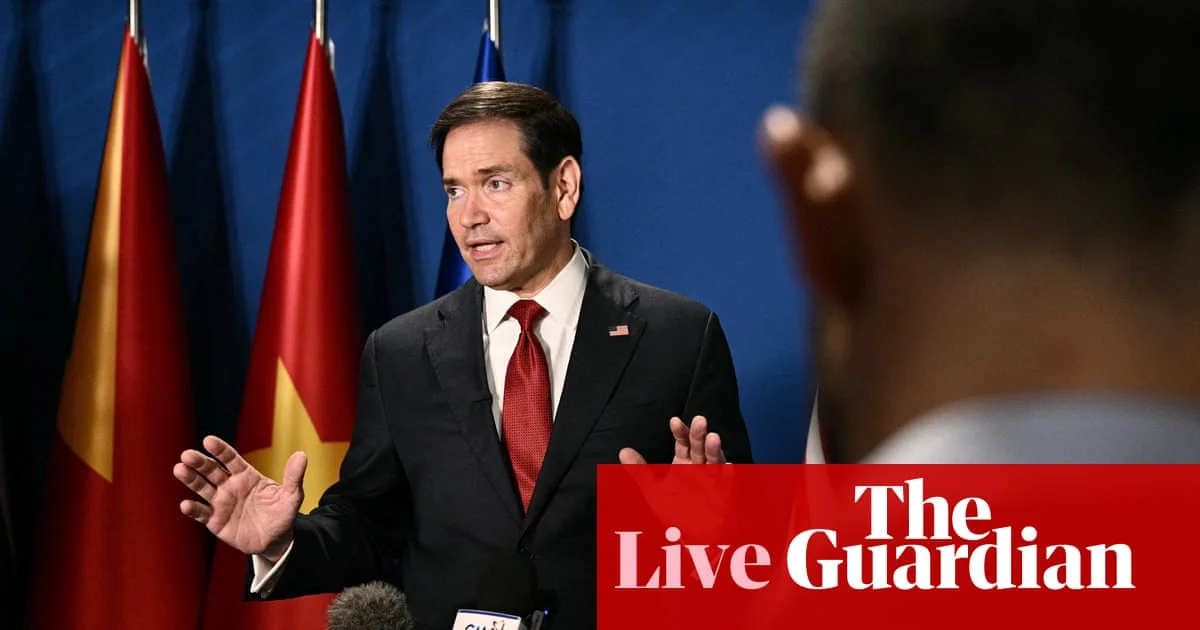
Furthermore, the rhetoric from U.S. Secretary of State Marco Rubio regarding 'new ideas' for the Ukraine conflict suggests a broader shift in global alliances. As the U.S. reassesses its roles in Europe and the Middle East, the 'war premium'—the extra cost added to gold and hard currency due to fear—becomes a volatile factor. You cannot simply buy and hold without a plan; you must understand if you are buying into a temporary spike or a long-term trend. The US-Saudi deal, in particular, suggests that the regional competition is entering a high-tech, high-stakes phase that could keep the Rial under pressure for years to come.

Security vs. Agility: The $35 Million Wake-Up Call
While gold has dipped slightly today (down 0.5% to 18,853,594 Toman per gram), many are looking toward Bitcoin, which currently sits near $65,687. However, the digital frontier has its own minefields. Just hours ago, Ethereum-linked protocols lost $35 million in a series of sophisticated attacks. For Iranians using decentralized finance (DeFi) to bypass local banking restrictions, this is a stark reminder: digital assets offer agility, but they lack the physical 'sovereignty' of a gold coin in your hand. The collapse of BitMEX, a veteran in the crypto space, further underscores that even established platforms are not permanent.
In Iran, where access to global exchanges is already restricted, the risk of protocol hacks or exchange shutdowns is magnified. If you are holding USDT (currently at 191,208 Toman) or BTC, you are not just betting on the price; you are betting on your ability to secure those assets against global threats. The recent hacks on B² Network and Verus show that even 'secure' bridges can fail. Therefore, your evaluation of a 'store of value' must include a technical audit of how you store it. Are you keeping your life savings on an exchange that could vanish by September, or in a protocol that could be drained overnight?
Step-by-Step: Evaluating Your Store of Value
To navigate this market, you must move beyond emotion. Follow these three steps to decide where to park your capital today:
1. Calculate the 'Bubble' Premium: Look at the Emami coin price (188,500,000 Toman) versus the global gold price ($4,092 per ounce). Today, gold 18k is down 0.5%, while the USD is up. This suggests that the local Rial-based price is being propped up by currency fear rather than global demand. If the local 'bubble' (the difference between local and global value) exceeds 15%, you are overpaying for safety.
2. Assess Liquidity vs. Entry Cost: USDT currently carries a premium over the paper USD (191,208 vs 191,800). While USDT is slightly cheaper to acquire in small amounts, it carries the 'hack risk' mentioned earlier. If you are hedging more than 500 million Toman, physical gold or 'Ab-Shodeh' (melted gold) often provides better long-term security with lower transaction fees than crypto-to-fiat ramps in the current high-volatility environment.
3. Diversify Based on 'Time to Exit': If you believe regional tensions will escalate within weeks (e.g., due to the US-Saudi nuclear developments), USDT or Bitcoin offers the fastest exit to global markets. However, if you are looking at a 2-year horizon to protect against Rial depreciation, physical gold remains the only asset that doesn't rely on a working internet connection or a hackable smart contract. Given the current 24-hour trend—where gold is cooling off while the dollar stays firm—this may be a strategic window to accumulate gold at a slight discount before the next geopolitical headline hits.

Final Verdict: The Hybrid Approach
In the current climate, the smartest move is not 'all-in' on one asset. The US-Saudi nuclear deal is a long-term structural change that favors hard assets, while the crypto hacks remind us of the fragility of the digital world. A balanced portfolio for a mid-2026 Iranian context should ideally consist of 60% physical gold for long-term preservation and 40% USDT/BTC for immediate liquidity. This allows you to benefit from the 'safety' of gold while maintaining the ability to move capital across borders instantly if the domestic situation shifts rapidly. Stay vigilant, track the 191,000 Toman support level for the Dollar, and never keep more on an exchange than you can afford to lose in a protocol exploit.
Frequently Asked Questions
Why is the US-Saudi nuclear deal affecting the Iranian Rial?
Is it safer to hold USDT or physical gold during regional tensions?
How do I calculate the 'bubble' in the Iranian gold market?
What should I do if my crypto exchange or protocol is hacked?
Understanding Safe-Haven Assets: Protecting Wealth in Uncertain Times
In an era marked by shifting geopolitical landscapes and economic volatility, the concept of a safe-haven asset becomes critically important for individuals and institutions seeking to preserve their wealth. A safe-haven asset is an investment that is expected to retain or increase in value during periods of market turbulence, economic downturns, or political instability. Its primary purpose is to act as a hedge, mitigating potential losses from other investments or protecting purchasing power against currency depreciation, such as the concerns around the Rial's future.
Traditionally, gold has been the quintessential safe-haven asset, revered for millennia due to its intrinsic value, scarcity, and long history as a store of wealth. It tends to have a low correlation with other financial assets like stocks and bonds, meaning its price often moves independently or even inversely to them during crises. This characteristic makes gold an attractive option when investors are wary of inflation, currency debasement, or widespread economic uncertainty, offering a tangible and globally recognized form of wealth preservation.
More recently, cryptocurrencies, particularly Bitcoin, have emerged as a controversial contender for the safe-haven title. Proponents argue that Bitcoin's decentralized nature, limited supply cap, and independence from government control make it a compelling alternative to traditional financial systems, especially in regions experiencing high inflation or capital controls. However, Bitcoin's extreme price volatility and regulatory uncertainties in many jurisdictions present significant risks, leading many to question its reliability as a true safe haven compared to gold's established stability.
Ultimately, choosing a hedge asset like gold or Bitcoin involves a careful assessment of one's risk tolerance, investment horizon, and the specific nature of the economic threats. While gold offers a time-tested, tangible hedge, Bitcoin presents a newer, digital alternative with both high potential and high risk. Understanding the characteristics and historical performance of each is crucial for making informed decisions to safeguard financial well-being amidst global shifts.