Hedging the Energy Crisis: How to Protect Your Toman Savings as Global Oil Costs Explode
مهار بحران انرژی: راهنمای حفظ ارزش پسانداز تومانی همزمان با انفجار قیمت جهانی نفت
With Japan’s oil import bill hitting record highs and supertanker prices surging due to Middle East tensions, global inflation is heating up. Learn how to use local gold and USDT to shield your portfolio from the resulting Toman volatility.
At time of publishing
USD
190,300
Toman
Gold 18K
19.83M
Toman / gram
Bitcoin
$71,752
US Dollar
Tether
189,353
Toman
The Global Energy Shock and Your Wallet
Today’s market data reveals a massive shift in the global energy landscape that directly impacts the Iranian economy. Japan’s import bill reached a staggering all-time high of $76.39 billion in July, driven primarily by an 87.8% surge in the cost of crude oil. This isn't just a Japanese problem; it’s a signal of persistent global energy inflation. When major economies pay record prices for energy, the purchasing power of fiat currencies—including the Toman—tends to erode as the cost of imported goods rises. In Tehran, we are already seeing the reflection of this tension: the Emami coin has climbed 0.8% in the last 24 hours to reach 199,500,000 Toman, signaling that local investors are moving into hard assets to front-run global volatility.
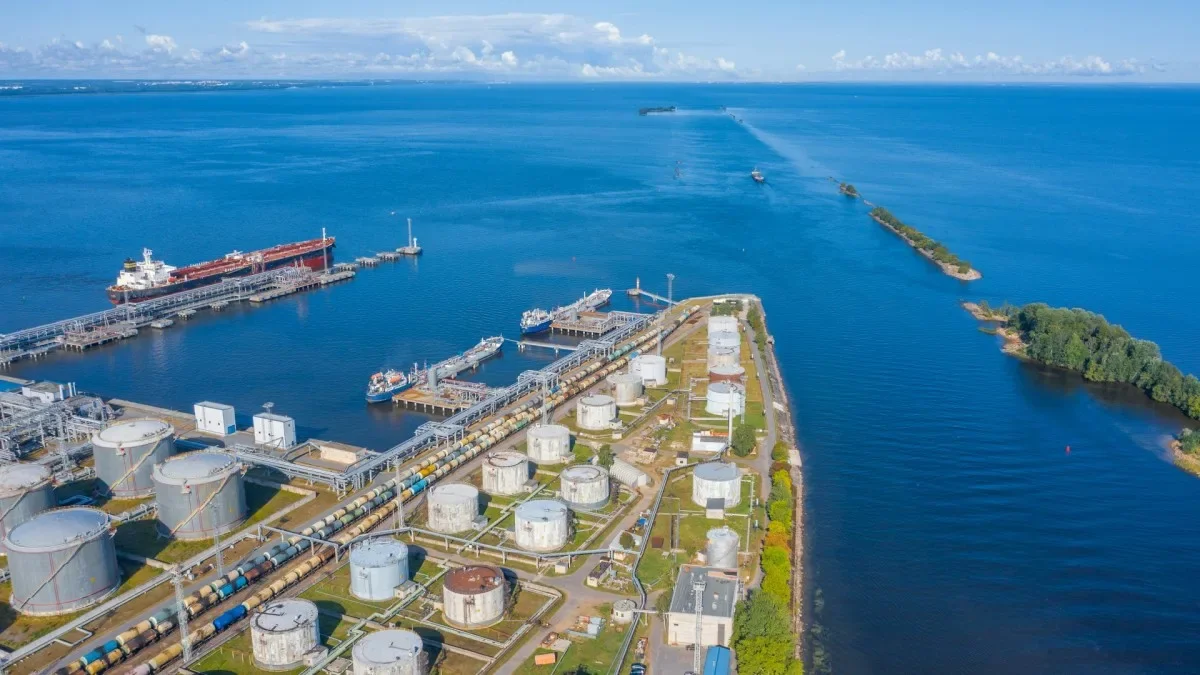
Furthermore, the cost of moving oil has hit a breaking point. Reports indicate that supertanker (VLCC) prices have reached record highs of over $130 million as Middle Eastern producers scramble for physical control of shipping assets. This 'shipping squeeze' acts as a multiplier for inflation. For the Iranian reader, this means that even if domestic oil production remains steady, the global 'risk premium' added to every barrel of oil will eventually leak into the local market through higher costs for electronics, machinery, and logistics. Monitoring the price of an 18k gram of gold, currently at 19,834,710 Toman, is no longer enough; you must understand the energy-driven macro forces pushing these numbers upward.

Why Rising Shipping Costs Matter to Tehran
Geopolitical risk is being priced into the market at an accelerating rate. While international headlines focus on legal dramas like the Alan Jones case in Australia or the ongoing tariff negotiations between Canada and the U.S. regarding Donald Trump's trade policies, the real story for your wallet is the Middle East oil crisis. When supertanker charter rates hit record highs, it indicates that the world expects prolonged instability in shipping lanes like the Strait of Hormuz. This instability usually correlates with a stronger U.S. Dollar and higher Gold prices. Today, the USD sell rate in Tehran sits at 190,300 Toman, and while it has remained flat over the last 24 hours, the underlying pressure from energy markets suggests this stability may be the 'calm before the storm.'
In the crypto space, we see a similar flight to quality. Bitcoin has rebounded to $71,752, supported by massive ETF inflows and institutional moves like BitGo Korea securing VASP registration. For an Iranian investor, the intersection of crypto and energy is vital. USDT (Tether) is currently trading at 189,353 Toman. Because USDT tracks the global dollar but remains liquid 24/7, it serves as the fastest hedge against sudden energy-related shocks that occur outside of local banking hours. If a major shipping incident occurs at 2:00 AM Tehran time, the Toman price of USDT will react long before you can reach a physical exchange (Sarrafi).
Actionable Strategy: Building Your Local Hedge
To protect your capital against this specific energy-driven volatility, you should follow a three-step diversification plan. First, treat gold as your primary shield. With gold ounces at $4,489.10 and local 18k gold rising 0.4% today, it remains the most reliable proxy for global energy costs. If you cannot afford a full Emami coin, consider fractional gold units or 'Gold Certificates' on the commodity exchange. The goal is to have a portion of your wealth tied to an asset that appreciates when oil-driven inflation spikes.
Second, leverage the liquidity of stablecoins. Given the $700 million in recent ETF inflows and the general 'risk-on' sentiment in crypto, holding a portion of your savings in USDT allows you to pivot quickly. If the USD/IRR rate begins to break past the 190,300 resistance level due to regional tensions, having USDT ensures you aren't stuck in a depreciating currency while waiting for markets to open. Finally, keep a close watch on the 'Supertanker Index' and energy news from Japan and China. These are leading indicators; when Japan’s import bill rises, it’s a sign that the global dollar is sucking liquidity out of emerging markets, which almost always precedes a jump in the Tehran dollar rate.
Concept Diagram
Frequently Asked Questions
Why does Japan's oil import bill affect the price of USD in Iran?
Is it better to buy Emami Coin or USDT to hedge against shipping tensions?
What does the record price of supertankers mean for local inflation?
Can Bitcoin act as a hedge against Middle East energy crises?
Understanding Inflation Hedging: Protecting Your Purchasing Power
When global economic shocks, like exploding oil costs, threaten to erode the value of your savings, understanding Inflation Hedging becomes crucial. This strategy involves investing in assets that are expected to retain or increase their value during periods of high inflation, thereby protecting your purchasing power. For individuals, especially in economies facing currency depreciation, the goal is to prevent their hard-earned money from buying less tomorrow than it does today.
One of the most classic and widely recognized inflation hedges is real assets. These are tangible assets that have intrinsic value, unlike paper currency. Gold, frequently mentioned in times of economic uncertainty (like "Gold 18k price Iran"), is a prime example. Historically, gold has often acted as a safe haven, appreciating when fiat currencies lose value due to inflation or geopolitical instability. Other real assets include commodities (though direct individual investment can be complex) and real estate, which tend to rise in value with the general price level.
Beyond traditional real assets, some individuals turn to other strategies to shield their wealth. Holding stable foreign currencies or stablecoins (like USDT, as suggested by "USDT Toman exchange rate") can serve as a hedge against the rapid depreciation of a local currency. While these options carry their own risks, they offer an alternative for those seeking to diversify their holdings away from assets highly susceptible to local inflation. The ultimate aim of any inflation hedging strategy is to preserve the real value of wealth, ensuring that savings can still command a similar basket of goods and services in the future.
However, it's important to note that no hedge is perfect, and all investments carry risk. The effectiveness of an inflation hedge can vary depending on market conditions, the specific asset chosen, and the duration of the inflationary period. A well-diversified portfolio, which might include a mix of real assets, foreign currencies, and other inflation-indexed instruments, often provides the most robust defense against the corrosive effects of inflation.