Trump Pauses 'Project Freedom' as Hormuz Crisis Peaks; Bitcoin Shudders at Saylor’s Dividend Dilemma
توقف ناگهانی «پروژه آزادی» ترامپ در تنگه هرمز؛ شوک فروش احتمالی سیلور به بازار بیتکوین
A dramatic overnight pivot in US naval policy has left markets guessing, while Bitcoin faces a new psychological hurdle as MicroStrategy considers its first-ever sale for dividends.
At time of publishing
USD
181,200
Toman
Gold 18K
20.01M
Toman / gram
Bitcoin
$81,331
US Dollar
Tether
18,120.3
Toman
Market Open — Tensions and Trends
The Tehran market opened this Wednesday with a subtle but noticeable shift in sentiment. The US Dollar (USD/IRR) saw a marginal decline, moving from 181,300 to 181,200 Toman, a factual decrease of 0.1%. While the currency remains at historic highs, the slight cooling reflects a market waiting for the next geopolitical shoe to drop. Gold 18k remained effectively flat at 20,009,464 Toman per gram, showing zero percent change as it consolidates its recent gains.
However, the real movement was seen in the coin market. The Emami coin rose from 195,000,000 to 198,000,000 Toman, a 1.5% jump in just 24 hours. This divergence between the flat gold price and the rising coin premium suggests a local rush for physical hedges as regional uncertainty persists. Meanwhile, in the digital space, Bitcoin is holding around the $81,331 mark, struggling to maintain momentum after a series of institutional updates.
Trump’s Hormuz U-Turn: Project Freedom on Ice
In a move that caught both allies and adversaries off guard, President Donald Trump announced a pause to "Project Freedom"—the controversial US naval mission designed to forcibly escort oil tankers through the Strait of Hormuz. The mission, which had only been active for 24 hours, was initially framed as a decisive move to break the Iranian blockade. However, Secretary of State Marco Rubio signaled a shift in tone overnight, suggesting that the US had already achieved its immediate objectives and that the offensive phase is effectively "over."
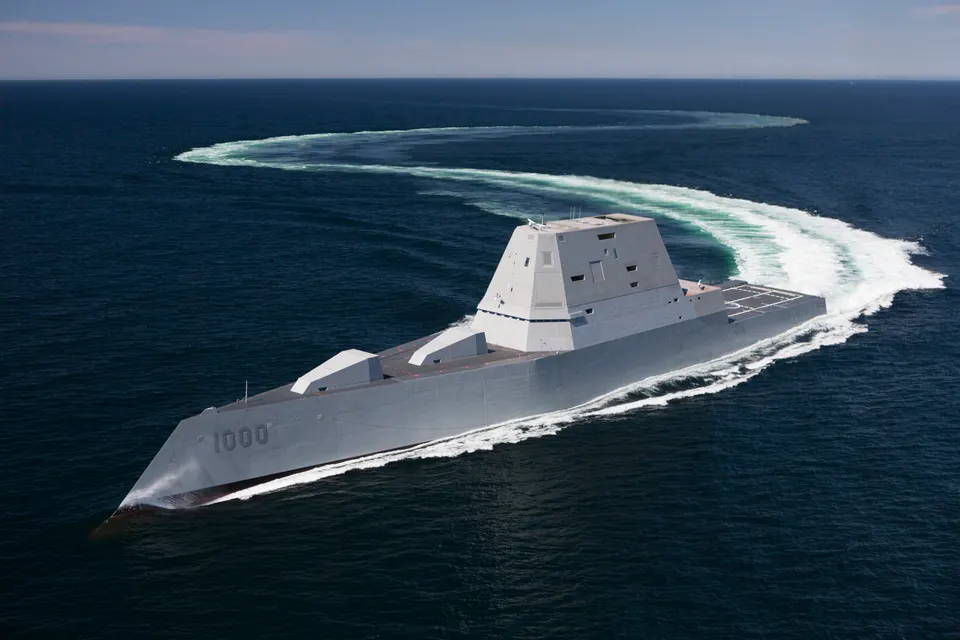
This sudden de-escalation appears to be a tactical retreat to allow for diplomatic backchanneling. Foreign Minister Abbas Araghchi has reportedly flown to China to coordinate a response, highlighting Beijing’s growing role as a mediator in the Persian Gulf. For the Iranian reader, this means the immediate threat of a direct naval confrontation has slightly receded, but the economic blockade remains a reality. Brent crude prices have stabilized around $108 a barrel, reflecting a market that is no longer pricing in an immediate total war, though the risk premium remains substantial.
The 'Saylor Sell' Scare: Bitcoin Hits $81k Resistance
Bitcoin’s march toward the six-figure mark hit a psychological wall overnight following comments from MicroStrategy’s Michael Saylor. For years, Saylor has been the ultimate "HODLer," famously stating he would never sell his company's massive Bitcoin treasury. However, during an after-hours briefing, he floated the possibility of selling a portion of the company’s BTC holdings to cover $1.5 billion in annual dividend obligations. The news sent MicroStrategy (MSTR) shares down 4% and dragged Bitcoin briefly below the $81,000 level.

This represents a fundamental shift in market psychology. If the largest corporate holder of Bitcoin begins to treat its holdings as a liquid source for dividends rather than a permanent reserve, other institutions may follow suit. While the $81,331 price point shows resilience, the narrative of "infinite holding" has been cracked. Traders are now watching the $80,000 support level closely, as any actual sale by MicroStrategy could trigger a significant liquidity event in an already volatile environment.
Energy Paranoia: Australia’s $7 Billion Bet Against Disruption
While the focus remains on the Middle East, the global ripples of the Hormuz crisis are manifesting in unexpected places. Australia has announced a massive $7 billion investment to build a national fuel stockpile, aiming to cover at least 50 days of domestic demand. This move by Prime Minister Anthony Albanese is a direct response to the fragility of global shipping lanes and the realization that a prolonged closure of the Strait of Hormuz could paralyze Western economies far removed from the conflict zone.
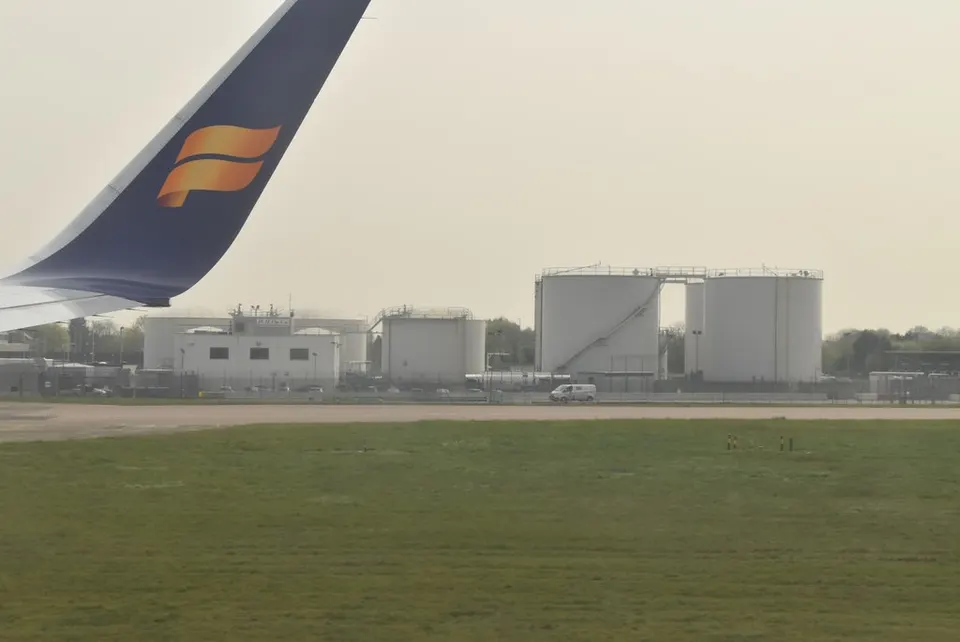
This "energy paranoia" is becoming a global trend. Countries are no longer relying on just-in-time delivery for critical resources, shifting instead to a "just-in-case" model. For the global economy, this means higher structural costs and a move away from globalization. For the Iranian market, it underscores the immense leverage Tehran holds over global supply chains, even as it faces its own internal economic pressures. The buildup of these reserves suggests that the world expects the current regional instability to last much longer than originally anticipated.
Frequently Asked Questions
Why did Donald Trump pause 'Project Freedom' after only one day?
Is Michael Saylor actually selling his company's Bitcoin?
What does the 1.5% rise in Emami coin mean for the Iranian market?
The Strait of Hormuz: Global Energy's Vital Geopolitical Chokepoint
The Strait of Hormuz is a narrow, yet immensely critical, waterway connecting the Persian Gulf to the open waters of the Arabian Sea and beyond. For global energy markets, it represents the world's most important oil transit chokepoint. Roughly one-fifth of the world's total petroleum liquids consumption and about one-third of the world's liquefied natural gas (LNG) passes through this 21-mile-wide passage daily. This makes it an indispensable artery for major oil producers like Saudi Arabia, Iran, UAE, Kuwait, Iraq, and Qatar to export their vast hydrocarbon resources to international markets.
The term "chokepoint" perfectly describes the Strait of Hormuz because its geographical constraints mean there are limited alternative routes for shipping. Any significant disruption to traffic through this strait—whether due to geopolitical tensions, military conflict, or even piracy—has immediate and profound implications for global energy supply. Historically, periods of heightened political instability in the region have seen threats to shipping in the Strait, leading to sharp spikes in global oil prices as markets react to potential supply shortages.
Such disruptions ripple far beyond the immediate energy sector. Surging oil prices can trigger inflation, dampen economic growth worldwide, and create uncertainty in financial markets. This uncertainty can lead investors to reassess risk, impacting everything from stock markets to the perceived stability of newer assets like Bitcoin, which, despite its digital nature, is not immune to the broader sentiment shifts driven by major geopolitical events. Understanding the Strait of Hormuz's role is therefore key to grasping the intricate connections between geopolitics, energy security, and global economic stability.
Topics
Related Articles