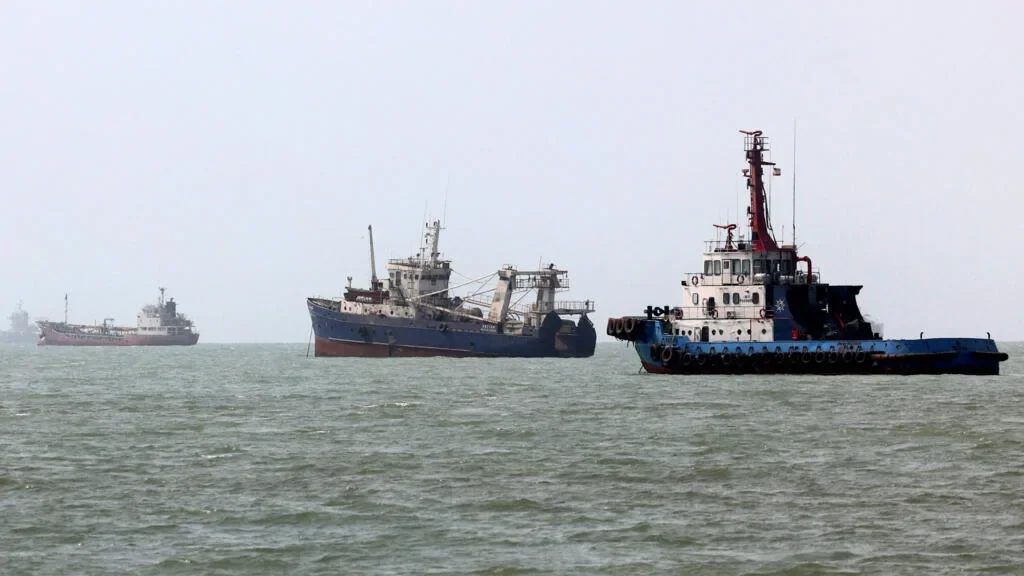
Brent Hits $96 as Iran-US Tensions Flare; Volkswagen Slashes 50k Jobs Amid Global Auto Crisis
برنت در مرز ۹۶ دلار در پی تنشهای موشکی؛ زلزله در صنعت خودرو با اخراج ۵۰ هزار نفر در فولکسواگن
Global oil markets are on high alert as Brent crude nears $96 following missile exchanges between Iran and the US. Meanwhile, the industrial world faces a shock as Volkswagen announces massive job cuts to survive Chinese competition and rising tariffs.
At time of publishing
USD
221,400
Toman
Gold 18K
23.32M
Toman / gram
Bitcoin
$80,944
US Dollar
Tether
220,974
Toman
Market Open — Friday, September 4
The Iranian currency market opened this morning with a sense of cautious stability despite the geopolitical storms brewing globally. The US Dollar (USD) sell rate remains unchanged at 221,400 Toman, showing a 0.0% delta over the last 24 hours. While the open market remains quiet, the underlying tension is palpable as traders weigh the impact of rising global energy costs against local liquidity.
In the precious metals sector, Gold 18k per gram saw a marginal decline of 0.1%, settling at 23,315,942 Toman. This slight dip comes even as global gold prices remain historically high, suggesting a localized correction or a temporary shift in demand toward digital assets. Speaking of digital, Bitcoin (BTC) has managed to reclaim the $80,000 psychological barrier, currently trading at $80,944. This resilience in the crypto market is largely driven by fading expectations of a Federal Reserve rate hike in September, providing a much-needed boost to risk-on assets.
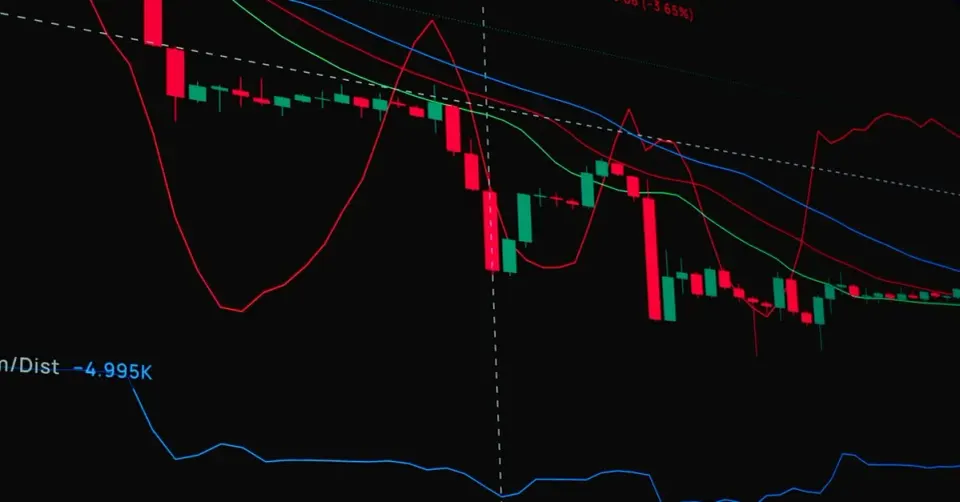
Brent Nears $96 as Iran-US Conflict Escalates
The single most significant story overnight is the sharp rally in crude oil prices. Brent crude is currently trading at $95.55 per barrel, nearing the $96 mark, while West Texas Intermediate (WTI) has climbed to $91.53. This surge is a direct response to a dangerous escalation in the Middle East, where Iran and the United States have reportedly traded missile strikes this week. The market is pricing in a significant 'risk premium' as Israel’s defense ministry has openly threatened to target Iranian energy and military infrastructure, raising fears of a major supply disruption.
For the global economy, this isn't just about the price at the pump. Persistent oil prices above $90 threaten to reignite inflation, complicating the path for central banks that were hoping to pivot toward interest rate cuts. For Iran, while higher prices theoretically increase the value of exports, the threat of direct conflict and potential infrastructure damage creates a volatile environment where financial gains are overshadowed by existential security risks. The market is now entering a 'delicate' phase where any further kinetic action could send Brent well into triple digits.
Volkswagen’s 50,000-Job Crisis: The End of an Era?
In a move that has sent shockwaves through the European industrial heartland, Volkswagen has announced it will cut an additional 50,000 jobs worldwide. This brings the total planned job losses to a staggering 100,000 by the end of the decade. The German automaker, an 89-year-old icon of industrial might, is struggling to navigate a 'perfect storm' of US tariffs, domestic overcapacity, and increasingly fierce competition from Chinese electric vehicle (EV) manufacturers.
This restructuring is the largest in the company's history and signals a fundamental shift in the global economic order. As Chinese brands like BYD and Xiaomi dominate the EV landscape with lower costs and integrated tech, traditional giants like VW are finding their legacy business models unsustainable. For investors, this is a clear warning: the transition to green energy is no longer a future prospect—it is a brutal, present-day reality that is weeding out those who cannot adapt fast enough. The social impact in Europe will be profound, as tens of thousands of high-paying manufacturing jobs vanish in the face of shifting trade alliances.
South Korea Eyes the Strait; Australia Hits EV Record
Geopolitical ripples from the Middle East are reaching as far as East Asia. Reports indicate that South Korea is mulling a military deployment to the Strait of Hormuz to support 'freedom of navigation.' While Seoul has yet to make a final decision, the mere discussion of such a move highlights how internationalized the regional conflict has become. For the Iranian reader, this signifies a tightening of the maritime environment, as more international players consider a presence in what Tehran considers its backyard.
In a contrasting piece of economic news, Australia has reached a major milestone: EV sales have outpaced petrol cars for the first time. In August, more than 27,000 EVs were sold, driven by soaring fuel costs and supportive government policies. This shift in Australia serves as a real-world example of why companies like Volkswagen are in such deep trouble; the global consumer is moving away from internal combustion engines faster than most analysts predicted. As fuel costs remain high due to regional conflicts, this transition is only likely to accelerate globally, further decoupling the world's transport needs from the volatility of Middle Eastern oil.
Frequently Asked Questions
چرا قیمت نفت با وجود عدم قطعیت در اقتصاد جهانی در حال افزایش است؟
آیا اخراجهای فولکسواگن بر بازارهای مالی تأثیر میگذارد؟
چرا قیمت دلار در بازار تهران با وجود افزایش قیمت نفت ثابت مانده است؟
The Strategic Importance of the Strait of Hormuz in Global Oil Markets
The Strait of Hormuz, a narrow waterway between Oman and Iran, is one of the world’s most critical chokepoints for energy trade. Roughly 20‑25% of daily global oil consumption – about 21 million barrels – passes through this 21‑kilometre‑wide strait, making it a decisive lever for oil prices. Because the route is so tight, any threat to its security – whether a naval incident, a mined passage, or a deliberate closure – can instantly tighten supply and push benchmark prices such as Brent Crude upward.
Geopolitical tensions between Iran and the United States have repeatedly turned the Hormuz corridor into a flashpoint. Tehran has threatened to block the strait in response to sanctions, while Washington has conducted naval patrols to guarantee free passage. History shows the market’s sensitivity: during the 2019 Gulf crisis, when Iran announced a temporary closure, Brent surged by more than $10 per barrel in a single day. The risk premium that traders price in reflects not only the physical bottleneck but also the uncertainty of how quickly ships can be rerouted through longer alternatives like the Cape of Good Hope.
The economic ripple effects extend far beyond oil‑producing nations. Higher Brent prices feed into global inflation, raise transportation costs, and squeeze consumer purchasing power, especially in emerging markets that import fuel. Central banks monitor these dynamics closely because oil‑driven inflation can force tighter monetary policy, which in turn influences currency exchange rates – a factor that has recently pressured the Iranian toman and other volatile currencies.
In practice, the Hormuz risk is baked into futures contracts, insurance premiums, and even corporate strategies. Companies such as Volkswagen, which are already grappling with a global auto crisis, must factor higher energy costs into production and logistics decisions. Likewise, investors in commodities like Bitcoin often cite oil price spikes as a catalyst for alternative‑asset demand, illustrating how a single geographic chokepoint can reverberate through disparate markets.
Understanding the strategic role of the Strait of Hormuz helps explain why seemingly distant geopolitical events can cause immediate swings in Brent crude, affect inflation outlooks, and shape broader economic trends. It underscores the interconnectedness of security, energy, and finance in today’s globalized economy.