Hormuz Under Fire: US Issues Global Alert as Iran and Houthis Tighten Maritime Grip
تنش در هرمز؛ هشدار جهانی آمریکا و سایه نفت ۱۲۰ دلاری بر بازارها
A dramatic escalation in the Middle East has triggered a US 'worldwide caution' for its citizens as the IRGC claims strikes on maritime assets and the Houthis announce a Red Sea blockade. With oil prices surging toward $90, the fragile peace between Washington and Tehran appears to have completely collapsed.
At time of publishing
USD
188,500
Toman
Gold 18K
18.35M
Toman / gram
Bitcoin
$65,755
US Dollar
Tether
189,054
Toman
Market Open — Gold Shines Amid Geopolitical Storm
The Tehran market opened this Tuesday with a palpable sense of tension. While the US Dollar (USD/IRR) remained flat at 188,500 Toman, the real action was in the gold and coin sectors. Gold 18k per gram rose by 1.0% to reach 18,348,030 Toman, reflecting a classic flight to safety as regional risks spiked overnight. The Emami coin also tracked this upward momentum, gaining 0.3% to settle at 183,500,000 Toman.
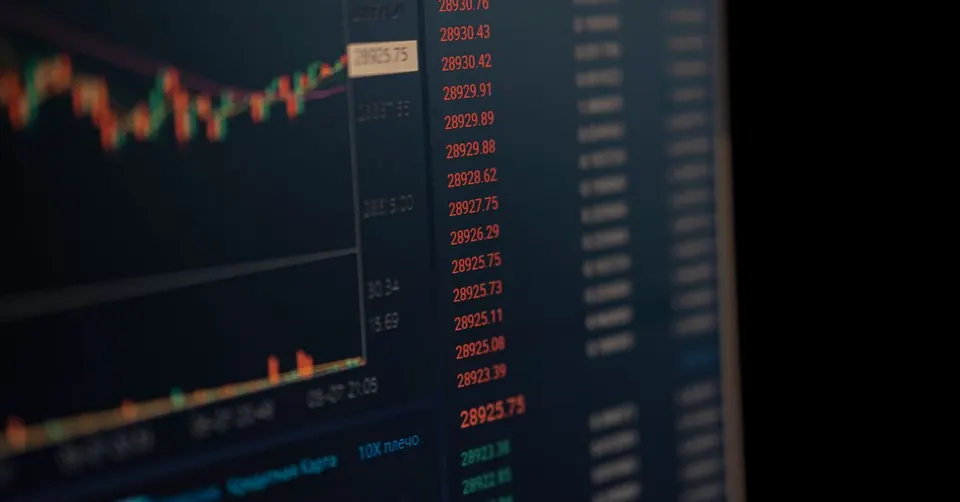
In the global arena, Bitcoin is showing resilience, holding near $65,755 despite the volatility. However, the energy market is the primary focus for Iranian observers today. Brent crude jumped over 2.7% to cross the $90 mark following reports of a vessel fire in the Strait of Hormuz and a series of US strikes. For the Iranian reader, this decoupling of gold and currency suggests that while the Central Bank is currently managing the Rial's price, the underlying pressure from global commodity spikes is becoming impossible to ignore.
The Maritime Siege — Blockades and 'Worldwide Cautions'
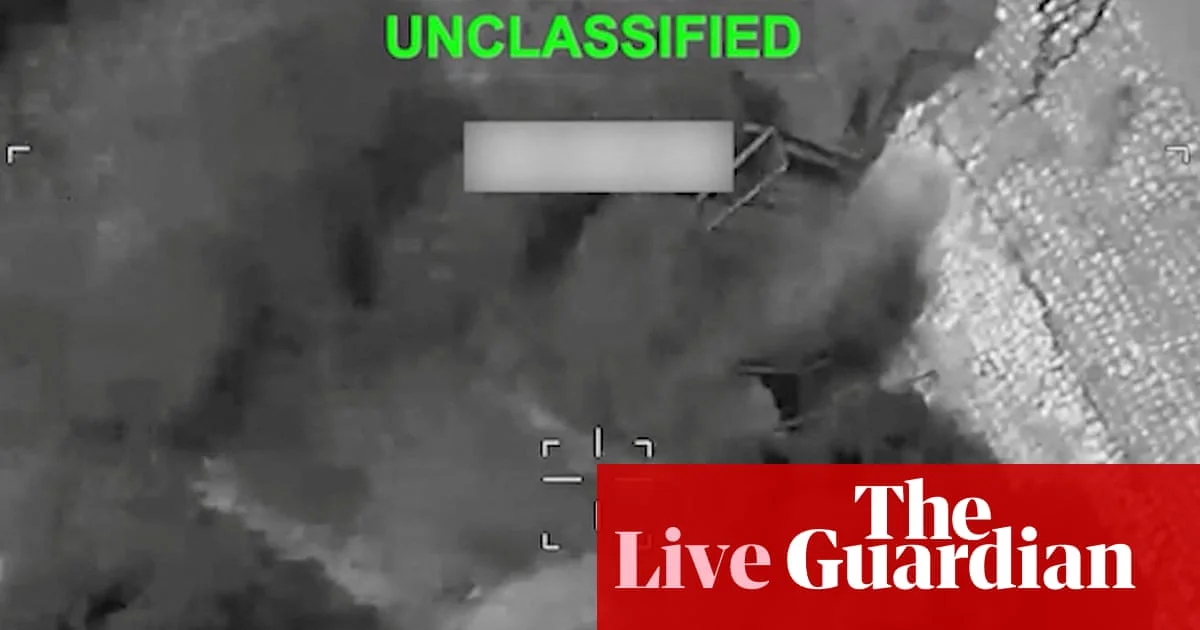
The geopolitical landscape shifted violently overnight as the US State Department issued a rare 'worldwide caution' for American citizens, citing increased potential for violence and tensions globally. This move follows a tenth consecutive night of US strikes on Iranian-linked targets, which the Pentagon claims were necessary to diminish threats to commercial shipping. However, the response from the region has been swift and aggressive. The Iranian Revolutionary Guard (IRGC) claimed responsibility for targeting infrastructure belonging to the US company Amazon in Bahrain, and reports indicate a tanker in the Strait of Hormuz was struck by a projectile, forcing its crew to abandon ship.
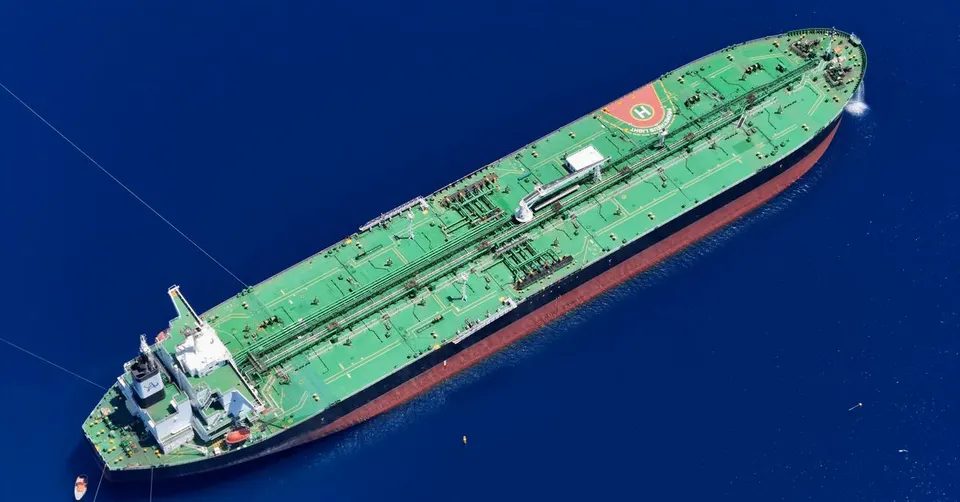
Simultaneously, Houthi forces in Yemen have announced an immediate maritime blockade of Saudi Arabia in the Red Sea. This dual-front pressure on the world's most critical energy chokepoints—the Strait of Hormuz and the Bab al-Mandab—is no longer a theoretical threat. It is a reality that is actively disrupting global supply chains. For Iran, this escalation signals a definitive end to the brief period of 'shaky ceasefire' and returns the region to a state of high-stakes brinkmanship that directly impacts insurance premiums for shipping and, ultimately, the cost of imported goods.
Goldman’s Warning: Is $120 Oil Inevitable?
As the physical flow of oil through the Persian Gulf drops below 45% of pre-war levels, Goldman Sachs has issued a stark warning: crude oil could surge to $120 per barrel by the end of the year if the current hostilities persist. This isn't just about speculation; it's about the 'crack spread'—the difference between the price of crude and the refined products like gasoline. Analysts note that gasoline prices are rising even faster than oil, placing immense inflationary pressure on global economies that were just beginning to see the light at the end of the post-pandemic tunnel.
The collapse of the US-Iran memorandum of understanding (MOU) is the primary driver here. Both sides have effectively walked away from the 60-day negotiating process. With the US military holding Iran accountable for attacks on commercial vessels and Iran’s state media reporting direct missile and drone strikes on US bases in Kuwait, the path to de-escalation has narrowed to a needle's eye. For investors, this means the 'higher-for-longer' scenario for oil is not just a possibility, but the most likely baseline for the second half of 2026.
Direct Friction — Attacks on US Bases in Kuwait
In a significant departure from previous proxy-led engagements, Iranian state media (IRNA) reported that the Iranian Army conducted direct missile and drone attacks on several US bases in Kuwait. These strikes reportedly targeted logistical and support facilities. While Washington has traditionally tried to downplay such incidents to avoid total war, the Pentagon admitted that nearly 100 US service members have been injured in the recent wave of escalating strikes. This admission marks a critical threshold in public disclosure and suggests that the US domestic political pressure to respond more forcefully is mounting.

This direct military friction changes the risk calculus for the entire region. Unlike the shadowy 'shadow war' of previous years, the current conflict is being fought in the open, with official claims of responsibility from both Tehran and Washington. For the Iranian public, the primary concern remains the economic fallout. Direct conflict increases the likelihood of tighter secondary sanctions and further isolation from the global financial system, even as the government attempts to project strength through its military capabilities. The 'circuit breaker' that many hoped for in regional diplomacy has, for now, completely failed.
Frequently Asked Questions
Why did the price of gold rise while the dollar remained stable in Tehran?
What does the Houthi blockade of the Red Sea mean for the Iranian economy?
How likely is oil to hit $120 as Goldman Sachs predicted?
Strategic Maritime Chokepoints: Why the Strait of Hormuz and Bab al‑Mandab Matter
A maritime chokepoint is a narrow waterway whose control can dramatically affect global trade. The Strait of Hormuz, a 21‑mile gap between Oman and Iran, carries roughly 20% of the world’s oil consumption, while the Bab al‑Mandab strait at the southern entrance of the Red Sea links the Suez Canal to the Indian Ocean. Because virtually all Middle‑East oil must pass through one of these passages, any disruption—whether a military threat, a blockade, or an accident—has an outsized impact on oil prices and, by extension, on commodities like gold that investors use as safe havens.
Geopolitical tension can turn a chokepoint into a lever of power. In recent months, Iran’s Islamic Revolutionary Guard Corps (IRGC) and Yemen’s Houthi rebels have threatened to close or mine the Hormuz and Red Sea routes, prompting the United States to issue global alerts and deploy naval assets. Such moves force market participants to price in the risk of supply interruptions, which is why analysts at Goldman Sachs and the International Energy Agency routinely adjust their oil‑price forecasts when threats to these straits rise.
The ripple effects are immediate. When traders anticipate a possible shutdown of Hormuz, Brent crude futures can spike, pushing spot prices higher and encouraging investors to buy gold as a hedge against inflation and uncertainty. Conversely, a quick diplomatic de‑escalation can see prices retreat, illustrating how tightly linked geopolitical risk, energy markets, and precious‑metal valuations are.
Understanding chokepoints helps explain why seemingly regional disputes can have global economic consequences. Policymakers monitor vessel traffic, satellite imagery, and diplomatic channels to gauge the likelihood of a disruption. For anyone following the US‑Iran conflict, the Houthi maritime blockade, or fluctuations in oil and gold markets, the health of these narrow waterways is a key barometer of future price movements.