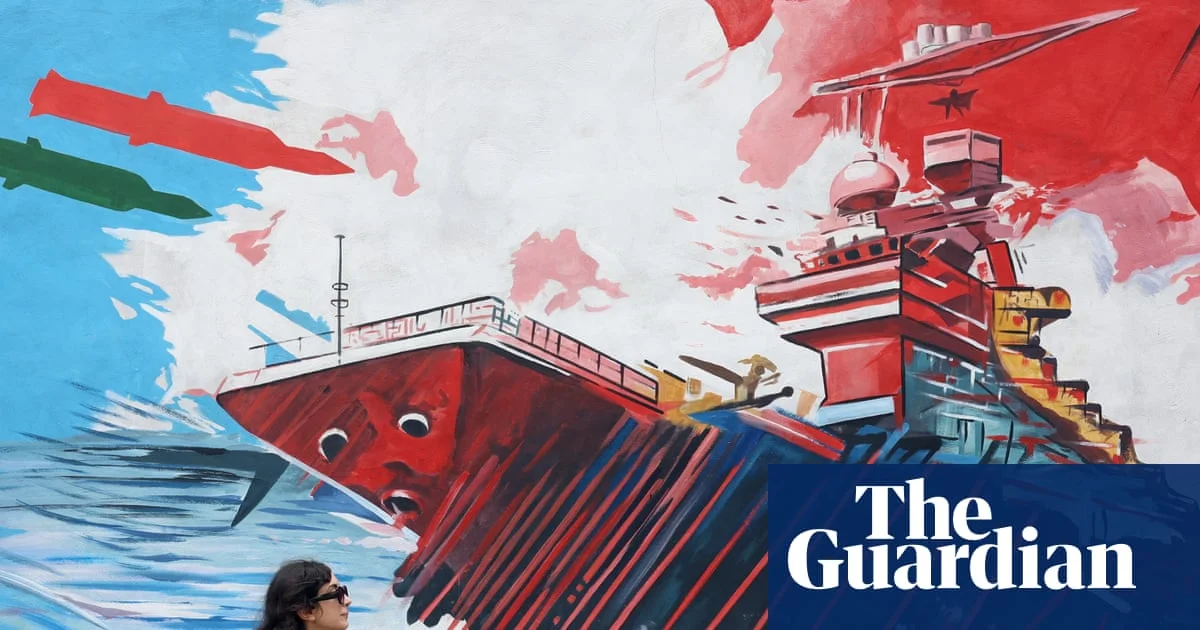
Hormuz on the Brink: Trump’s Iran Gamble Triggers Global Economic Shockwaves and $92 Oil
تنگه هرمز در لبه پرتگاه؛ قمار ترامپ علیه ایران و شوک ۹۲ دلاری به اقتصاد جهانی
As the U.S. enters its eleventh night of strikes against Iran, the global order is fracturing. With oil prices surging to five-week highs and the Strait of Hormuz under threat, we break down the leadership vacuum in Tehran and the staggering $37.5 billion cost of the escalating conflict.
At time of publishing
USD
189,600
Toman
Gold 18K
18.91M
Toman / gram
Bitcoin
$65,937
US Dollar
Tether
189,720
Toman
Market Open — Gold Surges Amid Geopolitical Chaos
Good morning. The Iranian markets are opening today under the heavy shadow of regional escalation. While the US Dollar (USD/IRR) saw a marginal decrease, slipping from 189,900 to 189,600 Toman (-0.2%), the real story is in the flight to safety. Gold prices have reacted sharply to the overnight reports of continued strikes; 18k gold per gram surged by 2.5%, rising from 18,440,371 to 18,906,690 Toman.
This spike is mirrored in the coin market, where the Emami coin rose 1.3% to reach 188,500,000 Toman. Investors are clearly hedging against the uncertainty of a prolonged conflict. Meanwhile, in the digital space, Bitcoin remains relatively steady near $65,937, though the broader crypto market is on edge following reports of a major $915k exploit on Balance Coin. The decoupling of local gold prices from the slight dip in the dollar suggests that internal fear is currently outstripping currency fluctuations.
The Trump Gamble: A Strategy Without Restraint
In Washington, the White House is operating in what analysts describe as a state of 'strategic volatility.' President Donald Trump’s decision to pursue an aggressive military campaign against Iran has now entered its second week, with U.S. forces hitting aircraft hangars and drone storage sites for the eleventh consecutive night. The administration's gamble is predicated on a 'maximum pressure' 2.0, but without the diplomatic guardrails that defined previous eras. The immediate consequence has been a direct threat to the Strait of Hormuz, the world's most vital oil artery.
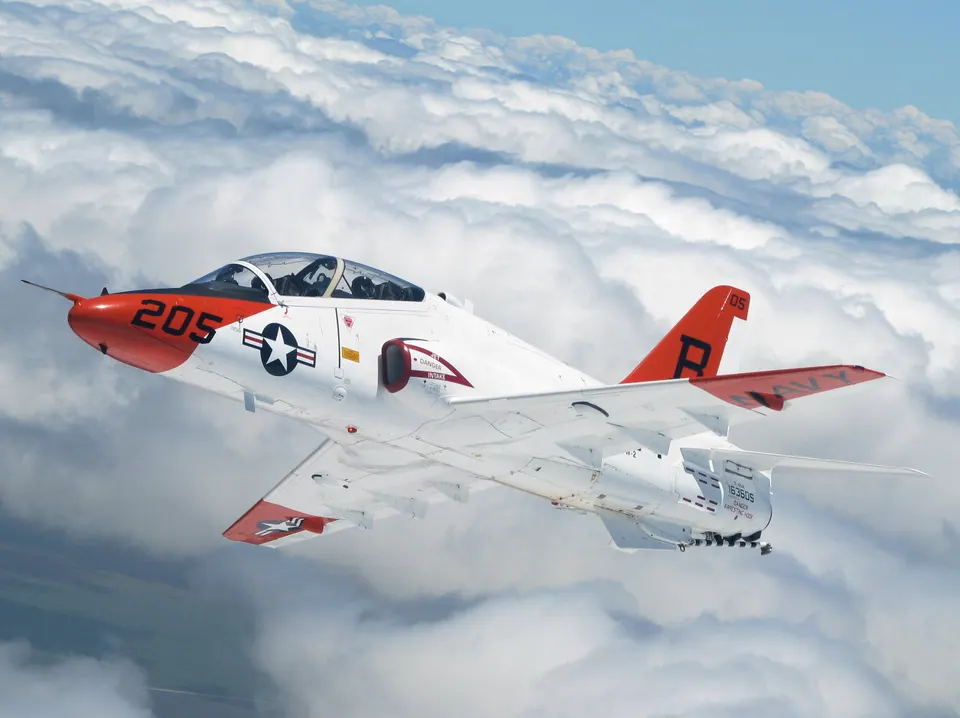
Iran has retaliated not just against military targets, but against Gulf state infrastructure, specifically targeting desalination plants essential for life in the region. This 'scorched earth' approach to regional stability has sent Brent crude climbing to $92.44 per barrel. The global economic shockwaves are no longer theoretical; they are manifesting in rising energy costs and a fracturing of international trade alliances. Even close allies like Canada are feeling the heat, with trade tensions escalating as Trump imposes fresh tariffs, further isolating the U.S. economy even as it funds a war now estimated to cost $37.5 billion.
Decapitation and Survival: Araghchi Breaks Silence
Perhaps the most chilling development overnight is the testimony from Iran's Foreign Minister, Abbas Araghchi. In a rare and detailed account, Araghchi described the moment he was pulled from the rubble of a leadership compound following the strike that killed the Supreme Leader, Ali Khamenei. This confirmation of the effectiveness of U.S. and Israeli intelligence suggests a catastrophic breach in Iranian internal security. Araghchi’s admission that he has survived only by constantly moving through Tehran by car paints a picture of a government in total disarray, operating from the shadows without a centralized command.
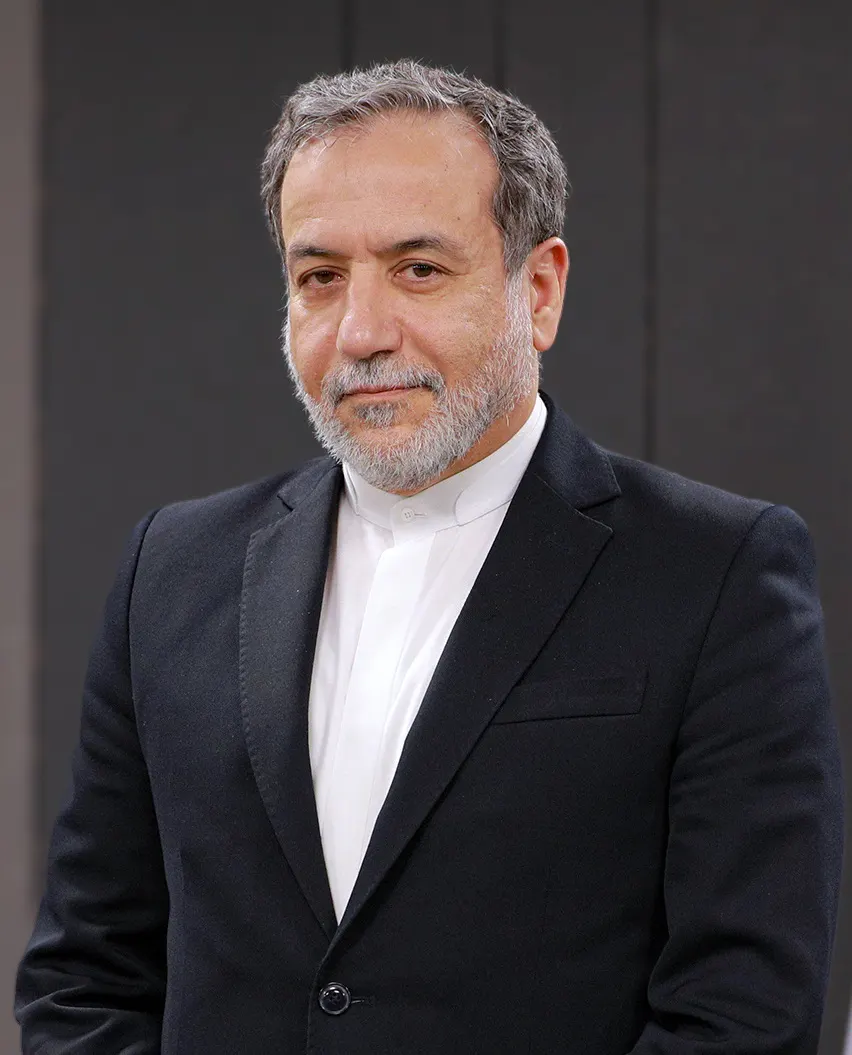
This leadership vacuum is creating a dangerous unpredictability. While the foreign minister remains mobile, the lack of a clear successor or a unified response strategy means that the military (IRGC) may be acting with increasing autonomy. For the average Iranian, this translates to a state of permanent emergency. The psychological impact of knowing that the highest levels of government were accurately targeted has fundamentally shaken the public's perception of the state's invincibility, even as the government attempts to project strength through retaliatory strikes.
The Regional Toll: Economic Desperation and $92 Oil
While the headlines focus on missiles and leadership strikes, the economic reality on the ground is becoming dire. In Pakistan, business owners along the shared border are expressing growing impatience. The dream of a stable trade route for goods and oil is evaporating as the border becomes a militarized zone. The conflict is not just a war of attrition between two nations; it is an economic blockade for the entire region. With oil prices consistently climbing since the July 4th weekend, the inflationary pressure on neighboring economies is reaching a breaking point.
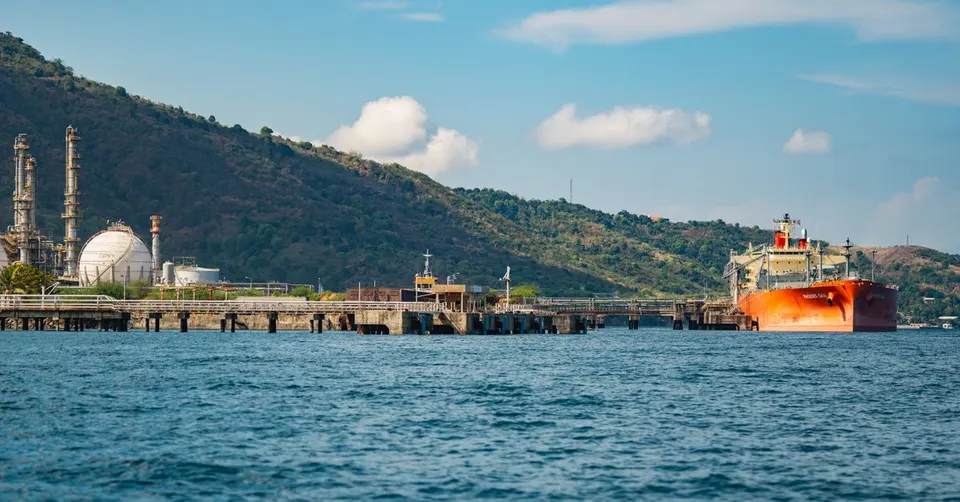
As the cost of the war hits $37.5 billion, according to latest estimates, the sustainability of this conflict is being questioned. The global market is now looking toward China; as the world's largest importer, Beijing's next move regarding its crude reserves and refined product exports will likely decide if oil hits $100 or stabilizes. For the Iranian reader, the message is clear: the domestic market is no longer just reacting to local policy, but is now a hostage to a global geopolitical chess match where the stakes include the very survival of the state’s infrastructure and the basic cost of living.
Frequently Asked Questions
Why is gold rising in Iran while the dollar is slightly down?
What is the significance of Abbas Araghchi's interview?
How high could oil prices go if the Strait of Hormuz is closed?
The Strategic Role of the Strait of Hormuz in Global Oil Markets
The Strait of Hormuz is a narrow waterway between Oman and Iran that serves as the world’s most critical chokepoint for oil transport. Roughly 20‑25% of daily global petroleum consumption—about 21 million barrels—passes through the 21‑mile channel, making any disruption instantly felt on the world stage. Because the route is short and the surrounding waters are shallow, large tankers must often travel in single‑file convoys, amplifying the vulnerability of supply flows.
When geopolitical tension threatens to close or restrict the strait, traders price in a “risk premium” that pushes Brent and WTI crude futures well above their baseline levels. The 2026 scenario described in recent headlines, where heightened US‑Iran hostility could jeopardize passage, is a textbook example: even the rumor of a blockage can lift Brent to $92 a barrel, while gold and other safe‑haven assets rally as investors seek protection from oil‑driven inflation.
The economic impact of a shutdown extends beyond the price of crude. Shipping costs rise, insurance premiums for vessels in the region skyrocket, and oil‑importing nations—particularly in Asia—face balance‑of‑payments pressure. Conversely, oil‑exporting countries that rely heavily on Hormuz, such as Saudi Arabia and the United Arab Emirates, see export revenues dip sharply if tankers are forced to reroute around the Cape of Good Hope, adding weeks to delivery times and millions of dollars in extra fuel costs.
Historically, brief closures during the Iran‑Iraq war in the 1980s caused oil prices to double, and the 2019 drone attacks on Saudi facilities near the strait again sparked a sharp price rally. These episodes illustrate how a single geographic pinch point can generate global macro‑economic shocks, influencing everything from consumer gasoline prices to central‑bank inflation targets.
Understanding the strategic importance of the Strait of Hormuz helps explain why policymakers treat any threat to its openness as a matter of international security, not merely a regional dispute. It also underscores why markets react so dramatically to diplomatic statements, naval deployments, or even speculative commentary about a potential US‑Iran confrontation.