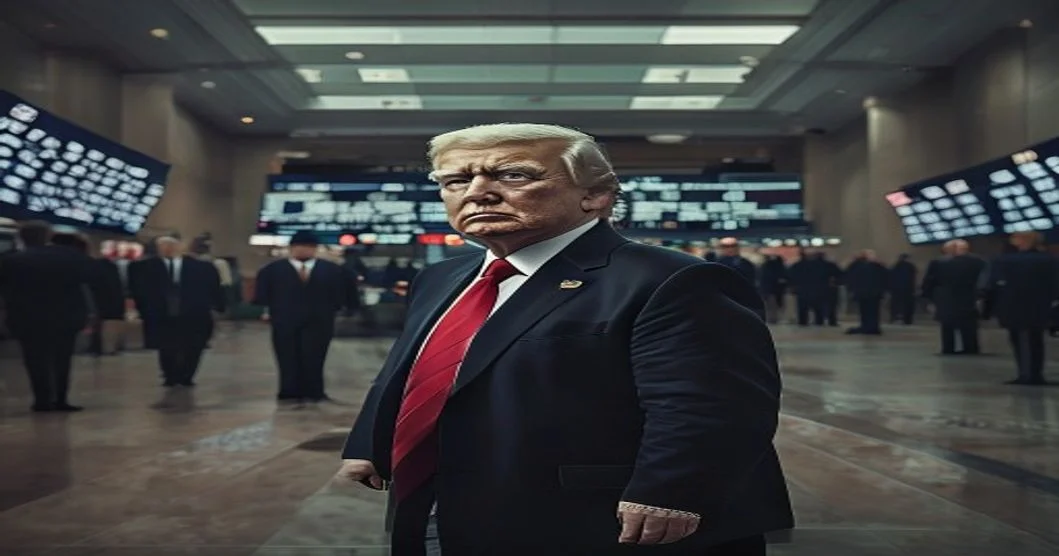
Trump Pulls Back from the Brink: U.S.-Iran Strikes Subside Amid Munition Scarcity
عقبنشینی ترامپ از لبه پرتگاه: کاهش تنشهای نظامی ایران و آمریکا در سایه کمبود تسلیحات
Global markets breathe a sigh of relief as the U.S. pauses major escalations against Iran, citing concerns over air defense stockpiles. Meanwhile, a maritime incident in the Caspian Sea adds a new layer of complexity to Tehran's foreign relations.
At time of publishing
USD
188,800
Toman
Gold 18K
17.83M
Toman / gram
Bitcoin
$64,366
US Dollar
Tether
188,510
Toman
Market Open — Gold Retreats as War Fever Cools
Good morning from the Arzbin newsroom. This Sunday morning, the Iranian markets are showing a rare moment of relative calm following a week of intense geopolitical volatility. The US Dollar (USD/IRR) opened slightly lower, slipping from 188,900 to 188,800 Toman, a marginal decrease of 0.1%. While the currency remains at historically elevated levels, the lack of a major overnight military escalation has prevented a further breakout.
The real story in the domestic market, however, is the significant correction in gold prices. Gold 18k per gram dropped by 1.7%, falling from 18,137,956 to 17,828,616 Toman. This was mirrored in the coin market, where the Emami coin shed 1.4% of its value, down to 182,000,000 Toman. This suggests that the 'war premium'—the extra price investors pay for safety during a crisis—is being priced out as news of a U.S. military pause reaches the trading floors of Sabzeh Meydan. Bitcoin, meanwhile, is holding steady around the $64,366 mark, showing resilience despite the broader global uncertainty.
U.S.-Iran Strikes Abate as Logistics Overrule Logistics
The single most impactful story overnight is the unexpected de-escalation in the direct military confrontation between Washington and Tehran. Reports indicate that the Trump administration has opted to pull back from a planned series of major retaliatory strikes. This decision wasn't necessarily born out of a sudden diplomatic breakthrough, but rather a cold, hard calculation of military inventory. Sources close to the administration suggest that advisers raised significant alarms regarding the diminishing stockpile of air defense munitions in the Middle East.
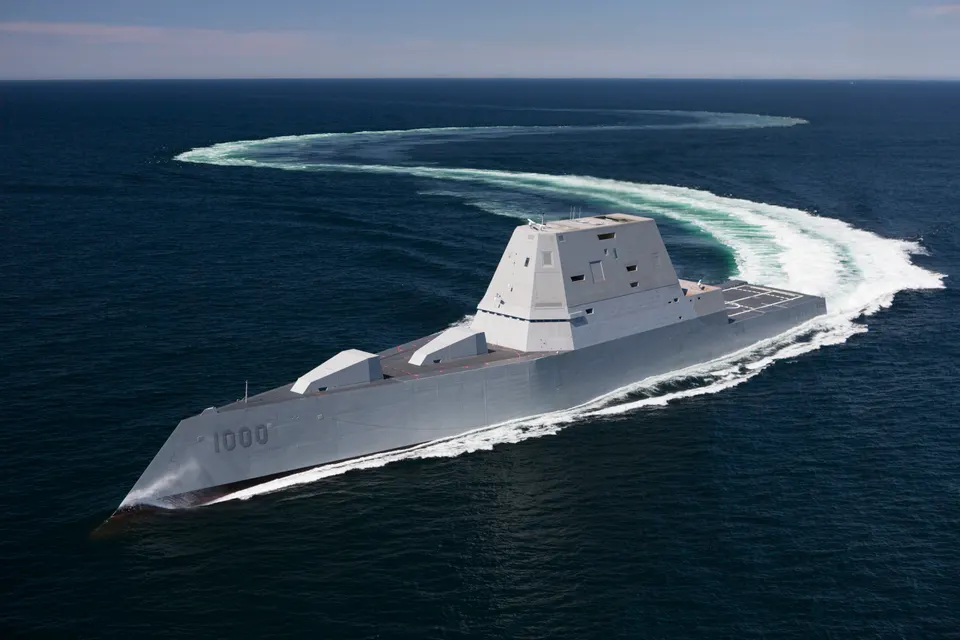
What this means for the region is a temporary but critical 'breathing room.' The U.S. military is reportedly worried that expanded hostilities could dangerously drain the interceptors needed to protect its own bases and allies from potential larger-scale volleys. For the Iranian reader, this pause in escalation explains the cooling of the USD and Gold prices this morning. However, the term 'crossroads' is being used for a reason; this is likely a strategic reset rather than a permanent ceasefire. The underlying tensions remain, and the market's reaction suggests that while the immediate fear of a 'total war' has receded, the structural risk remains firmly in place.
The Caspian Sea Incident: A New Front with Ukraine
While the southern front with the U.S. saw a lull, a surprising and dangerous development occurred in the north. Iran’s Foreign Ministry has officially summoned Ukraine’s chargé d’affaires in Tehran following a military attack by Ukrainian forces on an Iranian commercial vessel in the Caspian Sea. The attack resulted in the death of one sailor and injuries to several others. This is a major escalation because the Caspian Sea has traditionally been a zone of relative security for Iranian trade, far from the kinetic conflicts of the Persian Gulf or the Red Sea.
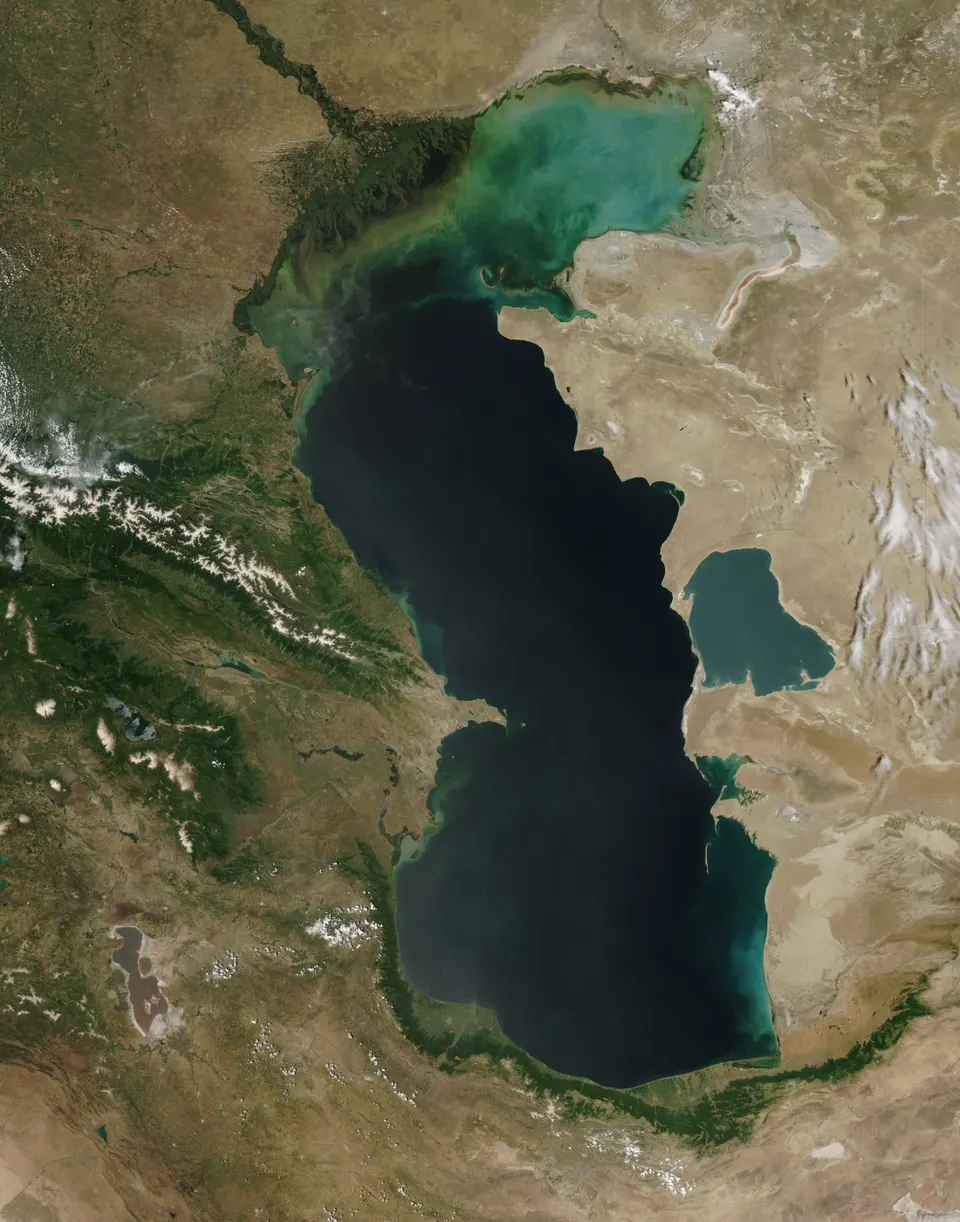
This incident highlights the globalized nature of the current conflict. Ukraine likely views Iranian commercial shipping as part of a logistics chain supporting Russian interests, a claim Tehran denies, insisting the vessel was strictly commercial. For the Iranian economy, this adds a new 'risk premium' to northern trade routes. If the Caspian is no longer a safe haven, the cost of insurance and shipping for goods coming through the International North-South Transport Corridor (INSTC) could rise, potentially putting upward pressure on the price of imported goods in the coming months.
Terror in Berlin: Global Risk Sentiment Jolted
Away from the Middle East, a suspected terror attack in Berlin has sent shockwaves through Europe. A car plowed into a crowd at a Pride event, resulting in at least one death and 16 injuries. German police have stated that the suspect had ties to local extremist groups, and there is a 'strong suspicion' of a terrorist motive. This event is critical because it heightens the sense of global instability and could lead to tighter security and border controls across the European Union.

For investors, such events often lead to a short-term flight to safety, though their impact is usually localized. However, in the current climate of high-tension geopolitics, any major security breach in a Western capital adds to the narrative of a world in chaos. This can indirectly affect Iran by hardening political stances in Europe, making any future diplomatic negotiations more difficult as Western governments face internal pressure to focus on security and counter-extremism rather than international rapprochement.
Frequently Asked Questions
Why did gold prices drop in Iran today?
What is the reason behind the U.S. military pause?
How does the Caspian Sea incident affect the Iranian economy?
How Economic Sanctions Shape Iran's Currency and Gold Markets
Economic sanctions are tools used by countries or international bodies to pressure a target nation by restricting trade, finance, and investment. In the case of Iran, U.S. sanctions have cut off access to the global SWIFT banking system and limited oil exports, dramatically reducing foreign currency inflows. With fewer dollars entering the country, the supply of foreign exchange shrinks while demand for the Iranian rial (IRR) remains, leading to a sharp depreciation of the rial against the U.S. dollar.
A weaker rial makes imported goods more expensive, fueling inflation. At the same time, Iranians often turn to gold as a store of value and hedge against currency loss. Gold prices in Iran have surged, sometimes outpacing global price movements, because the local market reflects both the devalued rial and heightened demand for a stable asset. This dynamic creates a feedback loop: as the rial falls, gold becomes more attractive, pulling even more capital into the metal market.
Sanctions also affect the government's ability to purchase military munitions. With limited access to international defense suppliers and frozen assets, the United States and its allies have indirectly contributed to a shortage of ammunition for Iran's armed forces. This scarcity can influence the calculus of conflict, as seen in recent tensions over the Caspian Sea and the reduced likelihood of large‑scale strikes.
Understanding the interplay between sanctions, exchange rates, and commodity prices helps explain why headlines link the USD/IRR rate, gold prices, and geopolitical events. It also highlights the broader economic consequences that extend beyond the immediate political goals of the sanctioning powers.
Topics
Related Articles