Trump Halts Iran Strikes for 'Rapid Deal' as Gold Slumps; Moscow Shaken by Bombing
توقف حملات ترامپ علیه ایران برای «توافق سریع»؛ ریزش قیمت طلا و انفجار در قلب مسکو
Donald Trump pivots from military threats to a 'rapid deal' on the Strait of Hormuz following Saudi intervention, while gold prices take a significant hit. Meanwhile, a deadly bombing in Moscow and a major UK state data breach add to a high-stakes global morning.
At time of publishing
USD
194,600
Toman
Gold 18K
18.20M
Toman / gram
Bitcoin
$63,400
US Dollar
Tether
192,174
Toman
Market Open — Gold Retreats as Tensions Simmer
Good morning. The Iranian markets are opening with a notable divergence today. While the US Dollar (USD/IRR) has edged up slightly to 194,600 Toman, marking a minor 0.1% increase from yesterday's 194,400, the real story is in the precious metals sector. Gold and coins are seeing a sharp correction. 18k gold per gram has dropped significantly by 2.8%, falling from 18,733,551 to 18,202,594 Toman. The Emami coin followed suit, shedding 1.1% of its value to settle at 186,000,000 Toman.
This downward pressure on gold suggests a temporary easing of the 'war premium' that has gripped the market recently. Despite the slight rise in the dollar, the cooling of immediate kinetic threats in the region—fueled by overnight diplomatic shifts—has led local investors to take profits or move back into more liquid assets. Bitcoin remains relatively stable in the global context at $63,400, providing a neutral backdrop to the domestic volatility.
Trump Pivots: No Strikes, Seeking 'Rapid Deal' on Hormuz
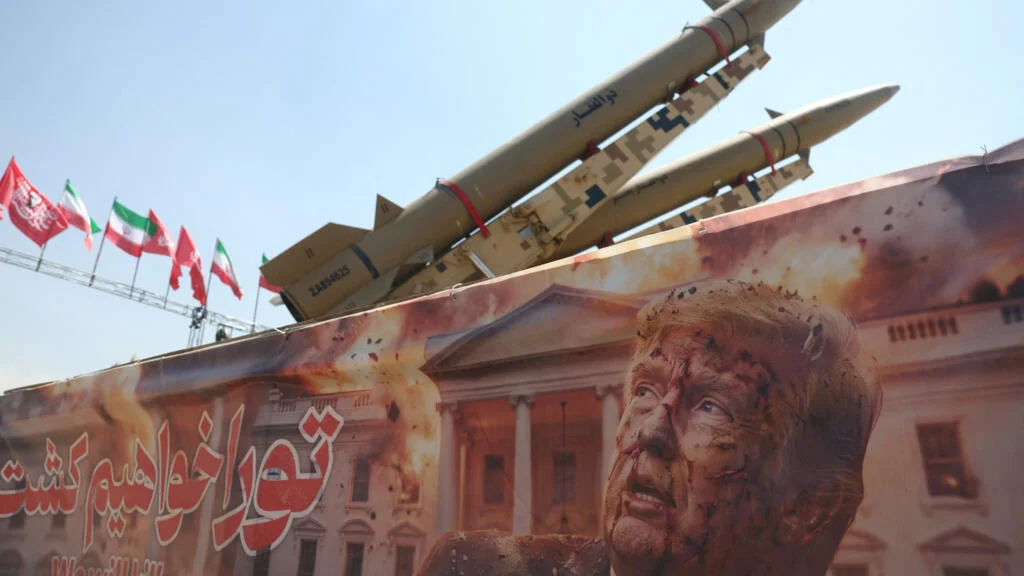
In a dramatic overnight shift, Donald Trump announced that the United States and Israel have agreed to hold off on planned strikes against Iranian targets. This reversal comes after weeks of escalating rhetoric that had pushed regional tensions to a breaking point. Trump cited progress in reaching the "perimeters of a deal" with Tehran, though he emphasized that this pause is strictly conditional on a "rapid" resolution to the conflict. This marks a classic Trumpian maneuver: applying maximum pressure only to pivot toward a high-stakes negotiation at the eleventh hour.
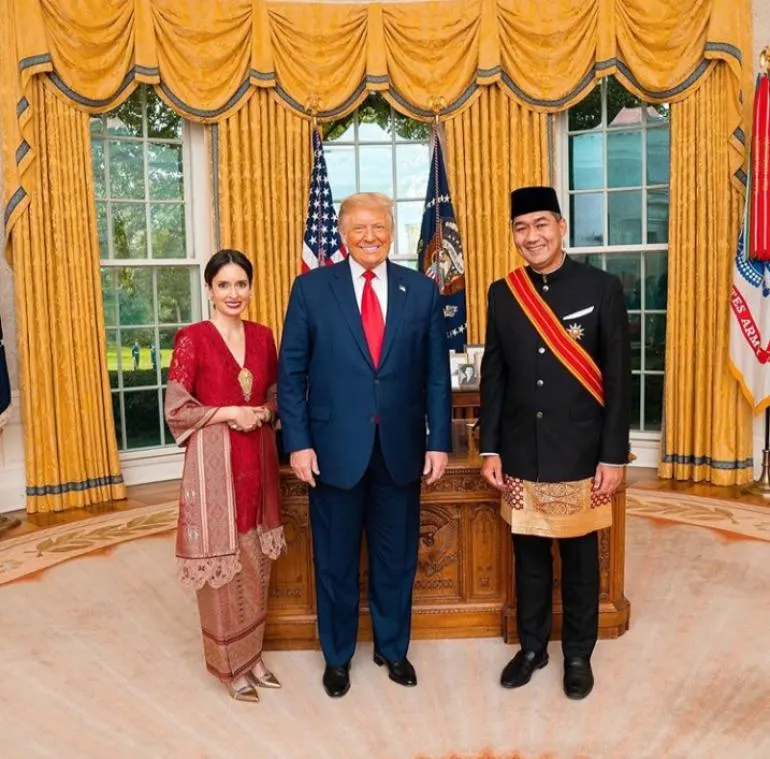
The catalyst for this sudden de-escalation appears to be twofold. First, a reported high-level intervention by Saudi Crown Prince Mohammed bin Salman, who expressed deep concerns about the regional fallout of a direct US-Iran kinetic exchange. Second, the tactical reality on the ground had become increasingly messy; Iranian state-aligned actors had allegedly targeted Kuwait with drones and attacked shipping off the coast of Oman. By stepping back, Trump is placing the ball in Tehran's court, demanding a deal that secures the Strait of Hormuz in exchange for continued restraint.
What does this mean for you? The immediate threat of a full-scale regional war has been downgraded to a diplomatic standoff. This is why we are seeing gold prices retreat this morning. However, the situation remains extremely volatile. If a "rapid deal" does not materialize, the threat of strikes could return just as quickly as it was withdrawn. For now, the market is breathing a sigh of relief, but it is a shallow one.
Moscow Restaurant Bombing: Security Breach in the Capital
While the Middle East saw a diplomatic opening, Moscow was rocked by violence. Russian state media reported that at least three people were killed after a bomb was detonated at a restaurant in the capital. According to security officials, a woman attempted to enter the establishment with explosives but was intercepted by a security guard. The resulting blast, while partially contained by the guard's intervention, still caused fatalities and significant injuries in what is being described as a major security lapse.

This incident adds another layer of complexity to the global risk map. While no group has immediately claimed responsibility, the timing—amidst ongoing international tensions—suggests a domestic or proxy-driven attempt to destabilize the Russian capital. For global markets, such events typically drive a flight to safety, but the news was overshadowed by the de-escalation in the Persian Gulf. Nevertheless, the incident highlights the fragility of internal security in major geopolitical hubs and could lead to a renewed crackdown within Russia.
UK State Investment Agency Hit by Massive Data Breach
In the West, the UK Government Investments (UKGI) agency—the body responsible for managing the British taxpayer’s multi-billion pound interests in companies like Channel 4 and the Post Office—has admitted to a significant data breach. Sensitive information and the personal contact details of at least 51 high-ranking government officials were left exposed on a public-facing server for nearly 40 hours. This wasn't just a technical glitch; it was a fundamental failure of internal security protocols at an agency that handles the crown jewels of the UK's state assets.
This breach is particularly concerning because UKGI manages the government's stake in critical infrastructure and media. The exposure of "high-level management information" could potentially be exploited by hostile actors or corporate rivals. While the agency claims to have tightened its security since the discovery, the 40-hour window was more than enough time for the data to be scraped. It serves as a stark reminder that even in the most developed economies, the intersection of state finance and digital security remains a massive vulnerability.
Frequently Asked Questions
Why did gold prices drop despite the dollar rising?
What is the 'rapid deal' Trump is referring to regarding the Strait of Hormuz?
How significant was the data breach at the UK Government Investments (UKGI)?
Why the Strait of Hormuz Matters: A Strategic Chokepoint Explained
The Strait of Hormuz is a narrow waterway linking the Persian Gulf with the Gulf of Oman and the open Indian Ocean. At its narrowest point it is only about 21 nautical miles (≈39 km) wide, yet it funnels roughly a fifth of the world’s seaborne oil—about 20 million barrels per day—through a single channel. This concentration makes the strait a classic chokepoint: a geographic bottleneck where a relatively small disruption can ripple through global energy markets, affecting everything from gasoline prices to the price of gold, which often moves in tandem with oil.
Because the strait sits between Iran and the United Arab Emirates, any escalation between Tehran and its regional rivals instantly raises the risk of a closure or a military incident. Historical flashpoints include Iran’s 2019 threats to block the passage and the 2020 attacks on oil tankers that prompted a brief U.S. naval escort operation. Even the mere perception of danger can trigger speculative buying of oil futures, prompting price spikes that spill over into other commodities and currencies, as seen in the recent gold slump when investors reassessed geopolitical risk.
The strategic importance of Hormuz goes beyond oil. It is also a vital route for liquefied natural gas (LNG), petrochemicals, and bulk cargoes that underpin the economies of Gulf states. Consequently, major powers—particularly the United States, the United Kingdom, and increasingly China—maintain a naval presence to ensure freedom of navigation. This presence is both a deterrent against hostile actions and a signal that any attempt to weaponize the strait would invite a coordinated international response.
Understanding Hormuz’s role helps explain why diplomatic moves, such as a potential U.S.–Iran nuclear deal, are closely watched by market participants. A de‑escalation reduces the perceived risk of a strait closure, calming oil markets and, by extension, stabilising related assets like gold and the USD/IRR exchange rate. Conversely, heightened tensions can quickly translate into higher transport costs, insurance premiums, and broader economic uncertainty across the Middle East and beyond.
In short, the Strait of Hormuz is more than a geographic curiosity; it is a linchpin of global energy security. Its vulnerability to geopolitical shocks means that any news about Iran, U.S. policy, or regional security can have outsized effects on commodity prices, exchange rates, and even data‑security concerns as markets scramble to adjust to new risk assessments.
Topics
Related Articles