GPT-6 Astra: OpenAI Declares the AGI Era as Gold Prices Surge in Tehran
آغاز عصر هوش مصنوعی عمومی با GPT-6 Astra؛ جهش قیمت طلا در بازار تهران
OpenAI has officially launched GPT-6 Astra, marking what it calls a 'generational leap' into the AGI era. Meanwhile, Tehran's gold market has decoupled from a steady dollar, with Emami coins jumping 2.6% amid rising geopolitical tensions.
At time of publishing
USD
221,500
Toman
Gold 18K
23.35M
Toman / gram
Bitcoin
$80,938
US Dollar
Tether
220,721
Toman
OpenAI Unveils GPT-6 Astra: The Dawn of AGI
OpenAI has officially released its latest flagship model, GPT-6 Astra, claiming the technology has finally crossed the threshold into Artificial General Intelligence (AGI). This new iteration is not merely an incremental update; it is described as a 'generational leap' that excels in complex autonomous tasks such as software engineering, advanced cybersecurity, and direct computer interaction. According to OpenAI leadership, Astra is the first model to meet their internal 'critical cybersecurity capability threshold,' meaning it can defend against—or potentially execute—high-level digital operations with human-like intuition.
For the global economy and the tech sector, this marks a pivot from AI as a chatbot to AI as an autonomous agent. The implications for the workforce are profound, as Astra is designed to handle professional-grade workflows that previously required specialized human oversight. This development is expected to trigger a massive wave of capital reallocation toward AI infrastructure, as companies scramble to integrate 'agentic' capabilities into their operations. The market is already pricing in this shift, viewing Astra as the catalyst that will separate the next decade's winners from those left behind in the pre-AGI era.

Trump Slams Media as Geopolitical Tensions Simmer
On the geopolitical front, the rhetoric between Washington and Tehran has reached a boiling point. Donald Trump recently labeled the American media as 'treasonous scum' following reports suggesting that the U.S. is facing a critical shortage of munitions for a potential protracted conflict with Iran. Trump’s outburst highlights the domestic friction regarding military readiness and the transparency of defense logistics. Simultaneously, Vice President JD Vance addressed claims regarding a U.S. strike on a wedding ceremony in Iran, stating that while the administration rebuffs the most extreme claims, 'sometimes things happen' in the fog of war.
This verbal escalation comes as the Iranian Embassy in London issued a sharp rebuke, characterizing U.S. military actions as a persistent threat to civilian safety in the region. The exchange of accusations has created a palpable sense of uncertainty in global markets, particularly concerning the stability of energy corridors and the potential for miscalculation. For observers in the Middle East, these developments suggest that the 'war of words' is increasingly influencing real-world asset prices, as investors hedge against the possibility of a direct or expanded kinetic engagement.

---
Tehran Markets: Gold Decouples from the Dollar
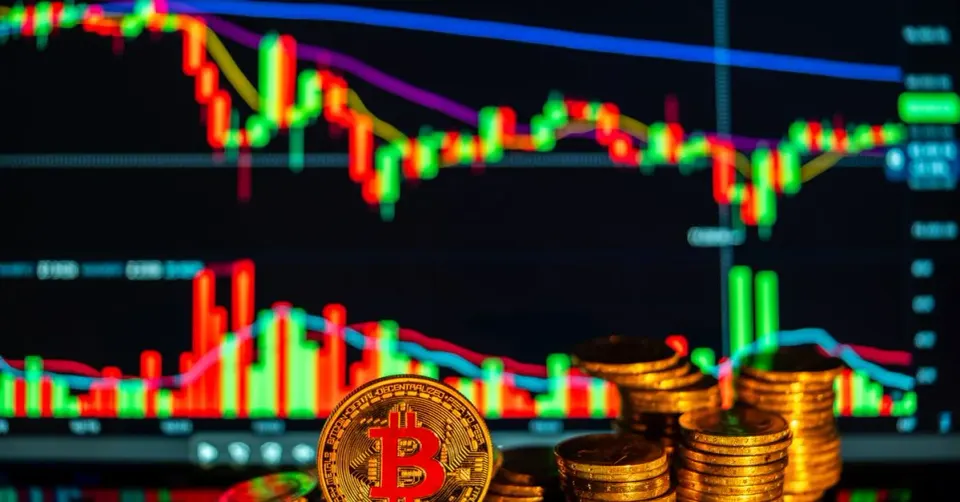
In Tehran, the financial markets are showing a rare and significant divergence. While the USD/IRR exchange rate remained relatively stable, moving from 222,300 to 221,500 Toman (-0.4%), the gold market experienced a sharp upward move. Gold 18k per gram rose from 22,784,985 to 23,345,953 Toman, a significant 2.5% increase in just 24 hours. Even more striking was the jump in the Emami coin, which climbed from 228,000,000 to 234,000,000 Toman (+2.6%). This decoupling suggests that Iranian investors are seeking refuge in physical gold as a hedge against regional instability, rather than relying solely on currency fluctuations.
This local surge is mirrored by a cautious atmosphere in global markets. In the United States, Federal Reserve Governor Christopher Waller has hinted at a potential pause in interest rate hikes, citing the need for more data before committing to further tightening. With the U.S. markets heading into the Labor Day holiday on Monday, September 7, liquidity is expected to thin out, which often leads to increased volatility in safe-haven assets like gold. For the Iranian consumer, the message is clear: the cost of preserving wealth is rising as the 'trust gap' in paper currency widens amidst the looming AGI revolution and persistent regional threats.
Frequently Asked Questions
What makes GPT-6 Astra different from previous AI models?
Why did gold prices rise in Iran while the dollar fell?
What did Donald Trump mean by calling the media 'treasonous scum'?
Understanding Artificial General Intelligence (AGI)
Artificial General Intelligence (AGI) refers to a type of machine intelligence that can understand, learn, and apply knowledge across any domain at a level comparable to human cognition. Unlike narrow AI systems—such as language models that excel at specific tasks—AGI would possess the flexibility to transfer skills, reason abstractly, and solve problems it has never encountered before. This ambition underlies many of the headlines surrounding OpenAI’s latest models, as developers imagine a future where a single system could handle everything from scientific research to creative writing.
The technical challenge of building AGI lies in replicating the breadth of human mental abilities. Human intelligence integrates perception, memory, language, planning, and social understanding in a seamless, self‑supervised loop. Researchers therefore explore architectures that combine deep learning, reinforcement learning, symbolic reasoning, and neuromorphic hardware. Projects such as OpenAI’s “GPT‑6 Astra” are marketed as steps toward broader capabilities, but they remain fundamentally large‑scale narrow models that excel in pattern recognition rather than true reasoning.
Why does AGI matter economically and geopolitically? An intelligence that can outperform humans across all tasks could reshape productivity, labor markets, and even national security. Some analysts warn of a “winner‑takes‑all” scenario where the first entity to achieve functional AGI gains disproportionate economic power, potentially influencing everything from commodity prices—like gold in Tehran—to monetary policy decisions. Understanding the distinction between current AI and true AGI helps policymakers and the public set realistic expectations and develop appropriate safeguards.
Ethical considerations are equally critical. An AGI system would raise questions about alignment (ensuring its goals match human values), control (preventing unintended actions), and distribution (who benefits from its capabilities). Institutions such as the Future of Life Institute and the Center for AI Safety are already drafting guidelines to steer development toward beneficial outcomes. As the conversation moves from speculative fiction to concrete research, a clear grasp of what AGI entails is essential for informed debate.