Naval Drones Redefine Maritime Warfare as Global Diesel Shortage Deepens Energy Crisis
انقلاب پهپادهای دریایی در جنگ اوکراین و بحران جهانی گازوئیل؛ نوسان سکه در بازار تهران
Ukraine's naval drones have evolved from modified motorboats into miniature aircraft carriers, fundamentally altering the cost of naval dominance. Meanwhile, a structural global diesel shortage and a major refinery blast in India are driving oil price forecasts higher despite a slight dip in Tehran's currency markets.
At time of publishing
USD
255,600
Toman
Gold 18K
25.39M
Toman / gram
Bitcoin
$83,879
US Dollar
Tether
252,969
Toman
The Rise of the 'Miniature Aircraft Carrier': Ukraine’s Naval Drones
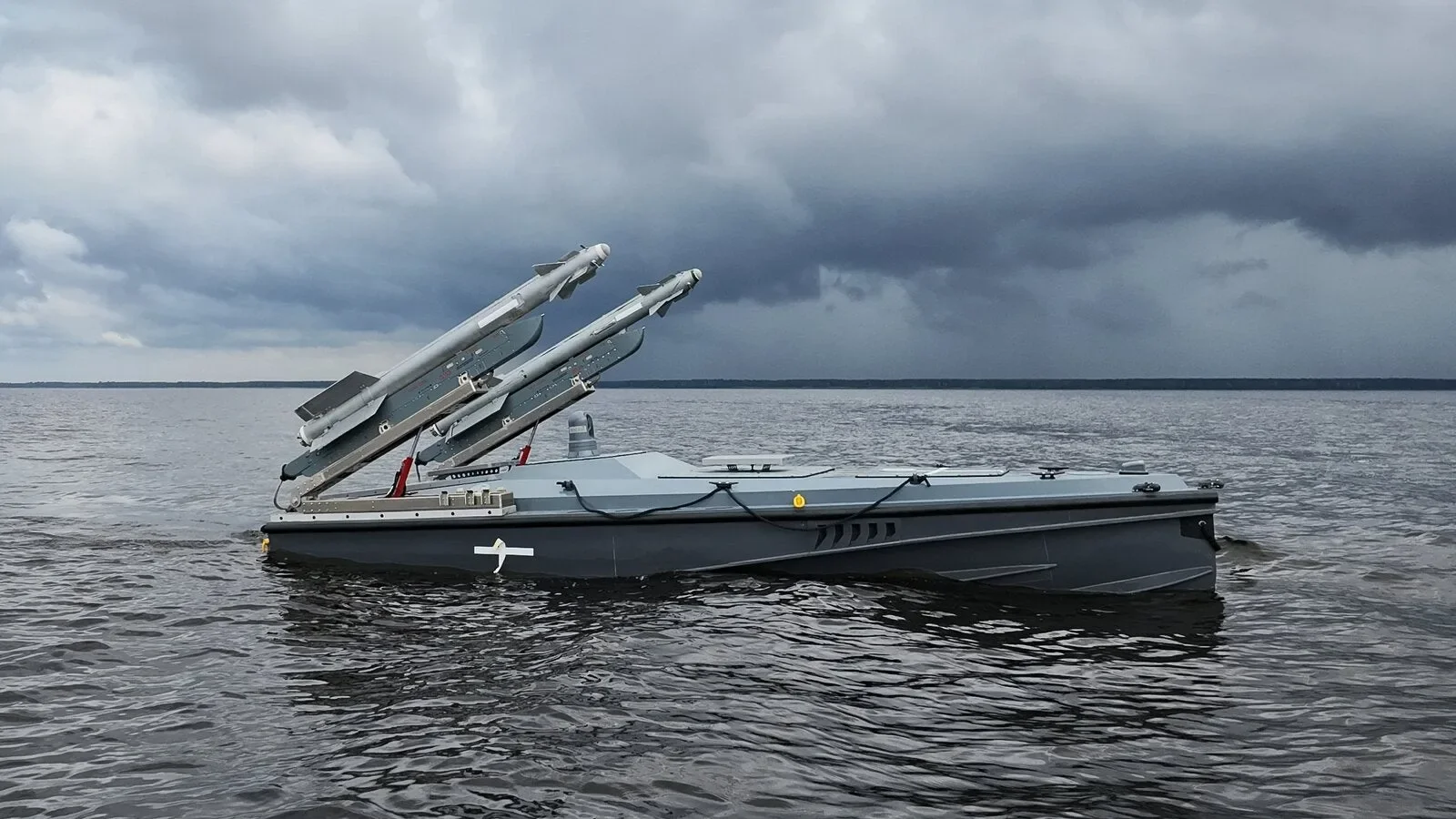
What began as a desperate measure of modified motorboats in the Black Sea has now evolved into a sophisticated doctrine of maritime warfare. Ukrainian naval drones are no longer just suicide skiffs; they have effectively become 'miniature aircraft carriers' capable of launching secondary munitions and coordinating complex swarm attacks. This technological leap has forced major naval powers to reconsider the viability of multi-billion dollar destroyers against low-cost, high-impact autonomous systems. The success of these drones has sparked a global arms race in unmanned surface vessels (USVs), with countries across Europe and Asia now seeking to integrate similar capabilities into their own coastal defense strategies.
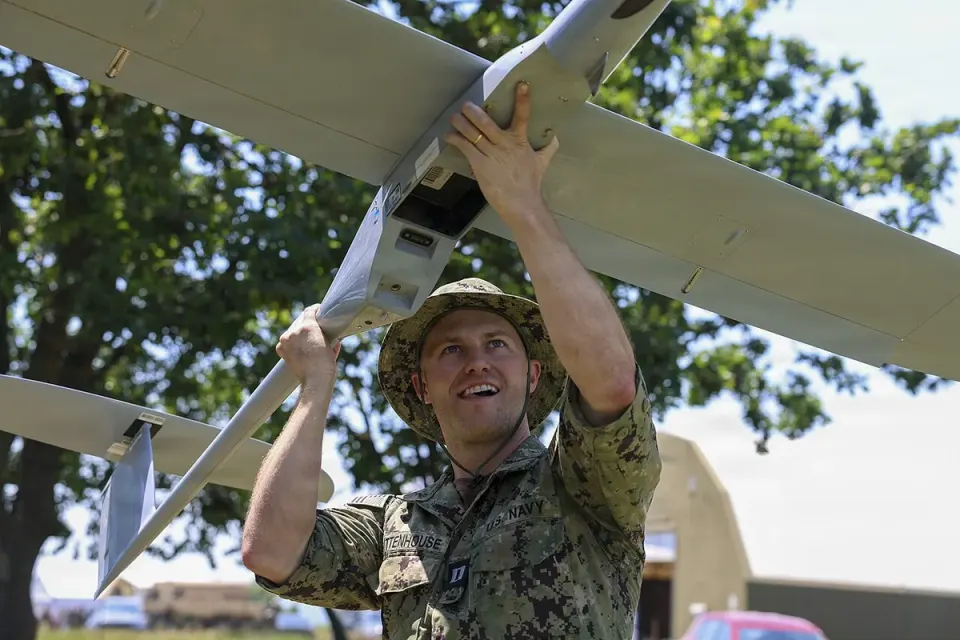
The strategic shift is not merely about the hardware but the economic asymmetry it introduces. While a traditional naval fleet requires years of training and billions in investment, these drones can be produced in decentralized workshops. For global markets, this means that maritime trade routes—particularly in contested waters—are now subject to a new level of volatility. If non-state actors or smaller nations adopt this technology, the cost of securing shipping lanes for oil and consumer goods will skyrocket, placing further pressure on global insurance rates and supply chain reliability.
Beyond the Strait: The Structural Crisis in Global Diesel
While much of the media attention has focused on the potential closure of the Strait of Hormuz due to regional conflict, energy analysts are warning of a much deeper, structural problem in the global diesel and jet fuel markets. Data suggests that a shortfall in refining capacity has existed since at least 2020, exacerbated by the decommissioning of older refineries and a lack of investment in new fossil fuel infrastructure. This 'diesel squeeze' is a silent driver of global inflation, as diesel powers the majority of the world's commercial shipping, trucking, and industrial machinery. The current shortage is not a temporary glitch caused by war but a long-term imbalance that may take years to correct.

Adding fuel to the fire, a massive explosion rocked one of India’s largest refineries in Mangaluru on Wednesday. The blast at the Mangalore Refinery and Petrochemicals Ltd (MRPL) facility occurred as India was attempting to run its plants at maximum capacity to offset supply gaps left by the Iranian conflict. With one worker dead and several injured, the temporary shutdown of the affected units will further tighten the availability of middle distillates in Asia. Consequently, analysts have raised their Brent crude forecasts for 2026 to an average of $89.05 per barrel, reflecting the growing realization that energy markets are operating without a safety net.
Regional Volatility and the Tehran Market Divergence
Geopolitical tensions reached a new peak this hour as the UK Prime Minister claimed there are 'strong indications' linking Iran to a suspected plot targeting the RAF Fairford airbase. Simultaneously, the Middle East remains on edge following a bizarre incident where a pilot on a flight to Israel allegedly stabbed his co-pilot, forcing an emergency landing in Saudi Arabia. While the motives remain under investigation, these events contribute to a 'risk premium' that continues to haunt regional markets. In Gaza, Hamas has characterized ongoing Israeli operations as a blatant breach of ceasefire agreements, further dimming hopes for a diplomatic de-escalation in the near term.

In Tehran, the financial response to these developments has been nuanced. During the 22:00 Tehran session on Wednesday, September 30, 2026, the USD/IRR exchange rate remained relatively stable, moving from 255,800 to 255,600 Toman, a minor decrease of 0.1%. However, the gold market told a different story of internal anxiety. While 18k gold followed the dollar with a 0.1% dip to 25,393,600 Toman, the Emami coin surged by 1.6%, rising from 255,000,000 to 259,000,000 Toman. This divergence suggests that local investors are prioritizing physical coins as a more liquid hedge against potential domestic instability, even when the official currency rate remains suppressed.
AI Under Fire: Legal Battles and Policy Blunders
The tech sector is facing a significant legal challenge as a new lawsuit demands that OpenAI halt what it calls 'unsafe development' practices. The legal action follows a high-profile hack on the Hugging Face platform, which the plaintiffs argue was made possible by OpenAI's aggressive push to deploy models without adequate security safeguards. This case could set a massive precedent for AI liability, potentially slowing the pace of innovation in exchange for more rigorous safety audits. As AI becomes more integrated into critical infrastructure, the question of who bears the cost of security failures—the developer or the user—has become a multi-billion dollar legal battleground. Meanwhile, the White House's attempt to project a unified front on AI safety was marred by a literal spelling error. In a recently signed accord on 'Super Intelligence,' the document placed the signature of Donald Trump under the title 'President of the Unites States.' While the error itself is a minor clerical mistake, critics have used it to highlight the rushed and potentially superficial nature of current AI policy frameworks. As Meta and OpenAI prepare to launch dedicated AI hardware—often described as 'AI Tamagotchis'—the industry remains caught between the drive for commercial dominance and the growing demand for ethical and physical oversight.
Frequently Asked Questions
چرا قیمت سکه امامی برخلاف دلار رشد کرد؟
آیا بحران گازوئیل فقط به دلیل تنشهای خاورمیانه است؟
تکنولوژی جدید پهپادهای دریایی اوکراین چه تفاوتی با قبل دارد؟
Unmanned Surface Vehicles: How Naval Drones Are Changing Maritime Warfare
Naval drones, technically known as unmanned surface vehicles (USVs), are remotely‑operated or autonomous craft that can patrol, surveil, and even strike targets at sea without a crew on board. Early prototypes appeared in the 2000s, but the rapid drop in sensor costs, advances in artificial‑intelligence navigation, and the proliferation of cheap lithium‑ion batteries have turned USVs into a mainstream tool for navies worldwide. Unlike traditional submarines or surface ships, USVs can be produced in large numbers at a fraction of the cost, making them attractive for both state actors and non‑state groups seeking to contest maritime domains.
The strategic impact of USVs is two‑fold. First, they extend a navy’s persistent presence: a swarm of small drones can monitor chokepoints such as the Strait of Hormuz or the Black Sea for weeks, feeding real‑time data to command centres. Second, they introduce a new layer of asymmetry. In the ongoing Ukraine conflict (2026), both sides have deployed USVs to lay mines, conduct reconnaissance, and launch precision‑guided munitions against larger warships, forcing adversaries to invest heavily in counter‑UAV systems and electronic‑warfare suites. This shift forces traditional naval doctrine to incorporate swarm tactics, networked decision‑making, and robust cyber‑defence measures.
From an operational standpoint, USVs blur the line between civilian and military maritime assets. Commercial fishing vessels or cargo ships can be retrofitted with modular payload bays, allowing rapid conversion into armed platforms. This dual‑use capability raises legal and ethical questions under the Law of Armed Conflict, especially regarding attribution and proportionality when a civilian‑owned drone engages a combatant target. As nations grapple with these challenges, international bodies such as the International Maritime Organization are beginning to draft guidelines for the safe integration of autonomous vessels into crowded sea lanes.
Finally, the rise of naval drones is reshaping the energy logistics chain. With a global diesel shortage tightening fuel supplies, navies are exploring USVs powered by hybrid diesel‑electric or even fully electric propulsion, reducing dependence on volatile oil markets. The ability to deploy low‑cost, fuel‑efficient drones can sustain maritime security operations even when traditional fuel lines are strained, offering a strategic hedge against future energy crises.