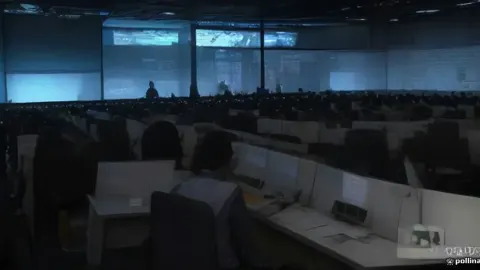
Nvidia Leadership Crisis: Board Weighs Ousting Jensen Huang as Shares Crash 8% Amid Spy Allegations
بحران در رهبری انویدیا؛ احتمال برکناری جنزن هانگ و سقوط ۸ درصدی سهام در پی اتهامات جاسوسی
Global markets are in shock as Nvidia's board meets to decide the fate of CEO Jensen Huang following a massive 'spy war' scandal. Meanwhile, the Strait of Hormuz faces an environmental catastrophe as the ongoing conflict disrupts global energy routes.
At time of publishing
USD
264,200
Toman
Gold 18K
25.76M
Toman / gram
Bitcoin
$73,532
US Dollar
Tether
264,027
Toman
Market Open — Stability Amidst Global Turbulence
The Tehran market opened this Thursday, November 12, 2026, with a sense of cautious equilibrium. The US Dollar (USD/IRR) remained unchanged at 264,200 Toman, showing a 0.0% delta over the last 24 hours. This stagnation in the currency market reflects a "wait-and-see" approach from local traders, despite the significant geopolitical noise surrounding the ongoing regional tensions. Gold prices mirrored this stability, with 18k gold holding firm at 25,762,962 Toman per gram.
However, the coin market showed signs of life. The Emami coin rose by 0.4%, moving from 255,000,000 to 256,000,000 Toman. This slight uptick suggests that while the currency is pegged to current expectations, physical gold assets remain a preferred hedge for those anticipating volatility. In the digital space, Bitcoin is trading at $73,532, maintaining its ground as a global safe haven even as traditional tech stocks face a brutal sell-off in the West.
Nvidia’s Throne Trembles: Jensen Huang’s Future in Doubt
The global semiconductor industry was rocked overnight as reports surfaced that Nvidia’s board of directors is meeting to decide the future of its iconic CEO, Jensen Huang. This news sent Nvidia’s shares plunging by 8% in after-hours trading, wiping out hundreds of billions in market capitalization. For a company valued at nearly $4 trillion, such a leadership crisis is unprecedented and threatens to derail the entire AI-driven market rally that has defined the last two years.
The crisis appears to be fueled by a "fierce spy war" lurking behind the scenes of US-China diplomacy. Allegations have surfaced suggesting that Nvidia's leadership may have been caught in a complex intelligence game between Washington and Beijing. While the company maintains that no secrets were compromised, the board is now forced to address "key person risk"—the realization that they have no clear succession plan for the man who co-founded and built the chip giant into a global powerhouse.
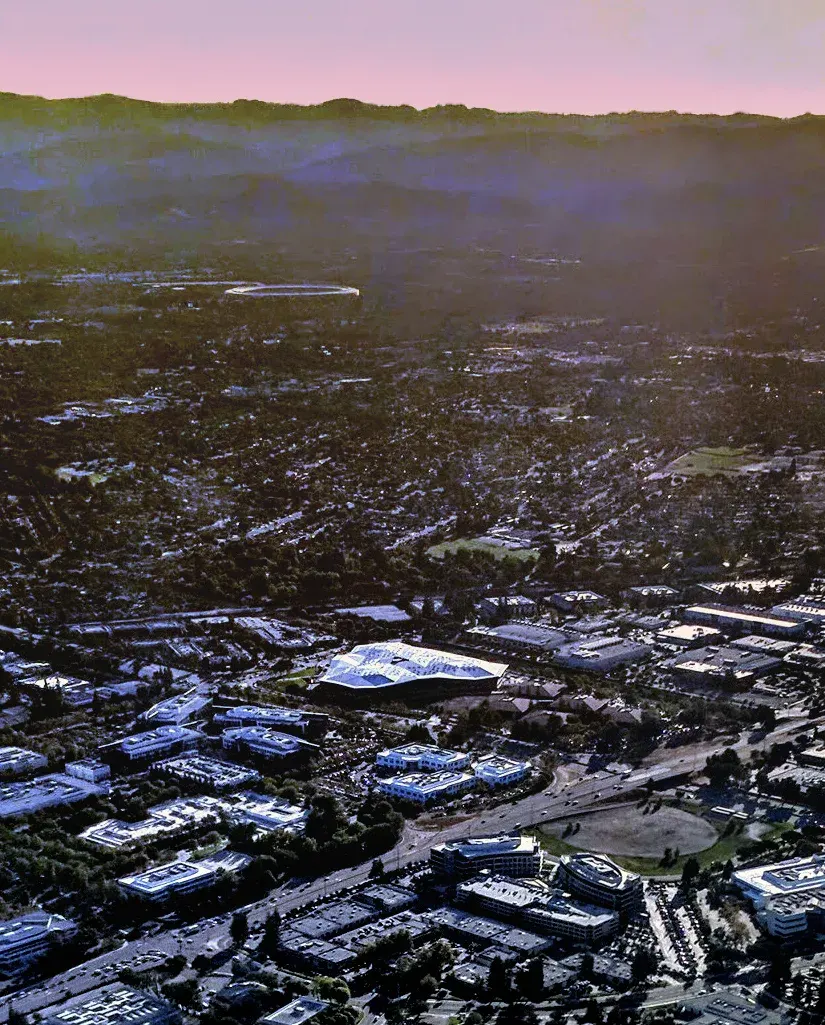
For the average investor, this isn't just about one company. Nvidia is the backbone of the modern tech economy; its chips power everything from local AI startups to global defense systems. If Huang is ousted, we could see a massive rotation out of tech stocks, leading to a broader market correction. Nasdaq futures are already sliding, and the ripple effects will likely reach digital asset markets where sentiment is often closely tied to the health of US tech giants.
The Strait of Hormuz: An Environmental and Economic Battlefield
Eight months into the devastating conflict between the US and Iran, the Strait of Hormuz has transformed into a literal graveyard of tankers. New satellite imagery has revealed massive oil slicks stretching across the Gulf, visible even from space. These slicks are the result of hundreds of missile strikes and sea mine explosions that have targeted crude carriers since February. The environmental impact is being described as "generational," with fragile ecosystems, coral reefs, and marine life facing extinction in one of the world's most polluted waterways.
The economic consequences are equally dire. The constant threat of boat strikes has pushed maritime insurance premiums to astronomical levels, effectively choking off a significant portion of global oil supply. While Iran's chief negotiator recently stated the "ball is in the US court" regarding peace talks, the reality on the water is one of chaos. The slicks are not just an ecological disaster; they are a physical manifestation of the breakdown in global energy security.
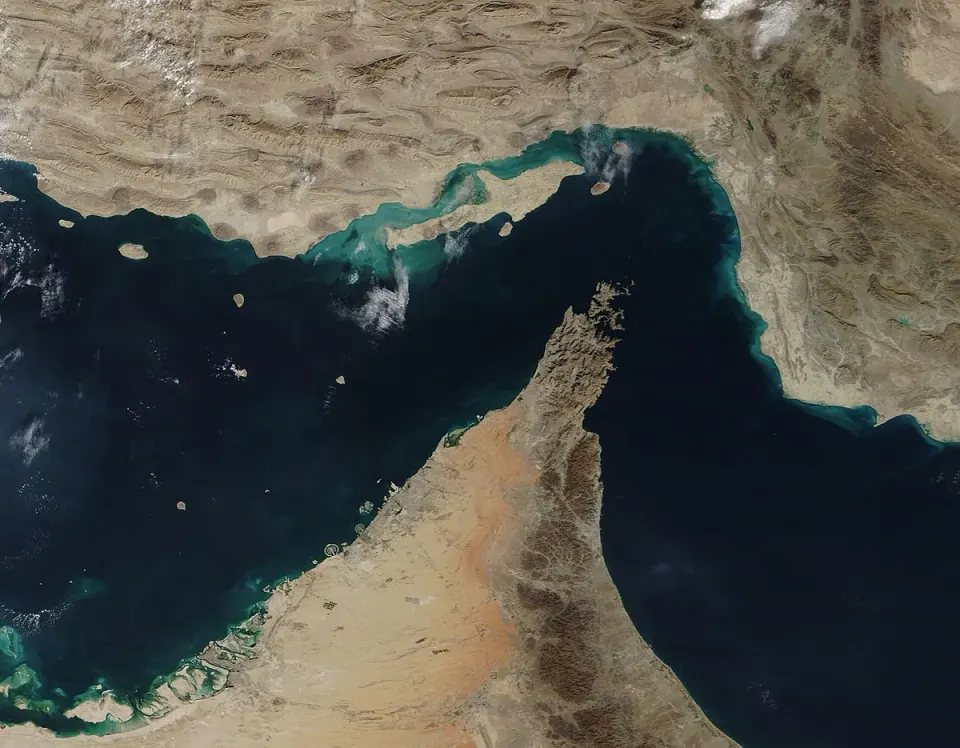
For Iranians, this conflict has hit home in the form of hyper-inflated shipping costs for essential goods. Even if the currency stays stable for a day, the "war premium" on every imported item continues to rise. The pollution also threatens the desalination plants that provide fresh water to millions in the region, turning a geopolitical struggle into a fundamental humanitarian crisis. The world is watching the Gulf not just for oil prices, but for signs of whether this "generational threat" can be contained.
Ukraine’s Power Grid at the Breaking Point
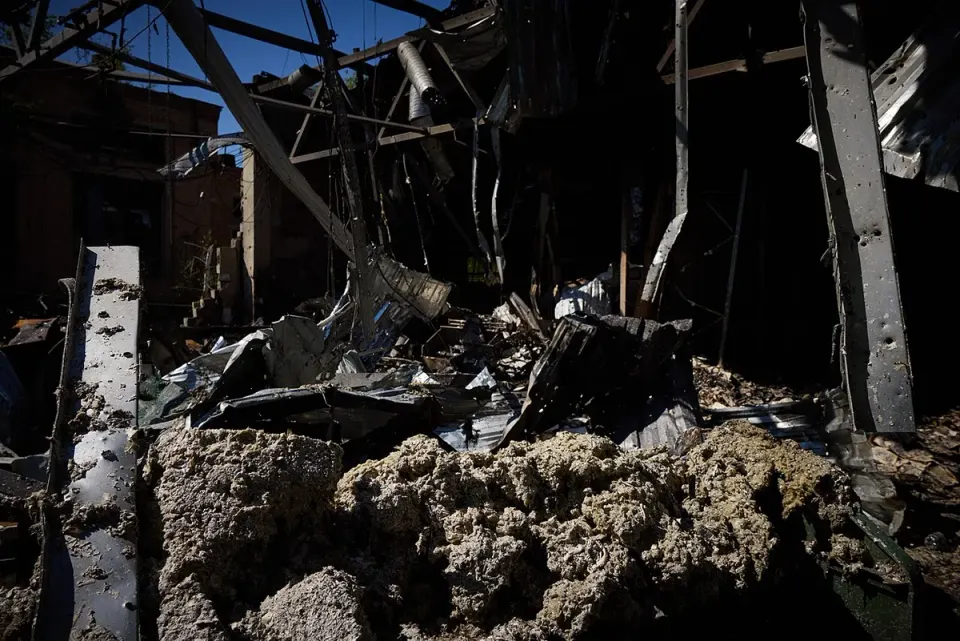
As winter approaches, Ukraine’s energy infrastructure is nearing a "critical" state following a series of relentless Russian strikes. Overnight reports indicate that many regions are now operating with only a few hours of power each day, leaving millions in darkness and cold. The strikes have targeted the heart of the national grid, making repairs nearly impossible under the current conditions. This isn't just a local issue; it’s a systematic attempt to break the civilian will by weaponizing the coming frost.
The global implications are significant. As Ukraine’s grid falters, the pressure on European energy markets increases, keeping natural gas and electricity prices volatile. This volatility feeds back into global inflation, which in turn influences central bank decisions worldwide. For the Iranian reader, this means that the global "risk-off" sentiment will likely persist, making high-risk assets less attractive and keeping the pressure on the Toman as a weak currency in a world of strong-dollar energy politics.
Frequently Asked Questions
چرا برکناری احتمالی جنزن هانگ تا این حد برای بازارها مهم است؟
نشت نفت در تنگه هرمز چه تاثیری بر اقتصاد روزمره ایران دارد؟
آیا ثبات قیمت دلار در بازار امروز تهران ادامه خواهد داشت؟
Geopolitical Risk Premium: How Global Politics Shapes Commodity Prices
When investors talk about a geopolitical risk premium, they are referring to the extra return that market participants demand for holding assets exposed to political uncertainty. Events such as a leadership shake‑up at a tech giant, an oil spill in the strategically vital Strait of Hormuz, or an energy‑driven conflict in Ukraine can all trigger sharp price movements in seemingly unrelated markets – from semiconductors to gold. The premium reflects the possibility that political events could disrupt supply chains, alter trade flows, or trigger regulatory changes, thereby increasing the perceived risk of holding a particular asset.
In the case of the semiconductor industry, a sudden change in Nvidia’s leadership could affect the company’s product roadmap, investor confidence, and ultimately the broader chip market. Because chips are essential components in everything from smartphones to military hardware, any perceived instability can ripple through global supply chains, prompting investors to demand higher returns for exposure to the sector. This is why a leadership crisis can coincide with a broader “chip market crash,” even if the technical fundamentals of the industry remain sound.
The Strait of Hormuz illustrates the classic chokepoint effect: a narrow waterway through which roughly 20% of the world’s oil passes daily. An oil spill or a geopolitical confrontation in this region instantly raises the risk of supply disruptions, prompting traders to price in a higher risk premium on oil futures. That premium then cascades into other energy‑intensive economies, such as Ukraine, where the war has already amplified energy scarcity and inflated electricity prices. The heightened risk perception also spills over into safe‑haven assets like gold, driving up prices in markets such as Tehran’s gold market.
Understanding the geopolitical risk premium helps investors and policymakers anticipate how seemingly distant events can reverberate across financial markets. By quantifying the extra return required for risk, analysts can better price assets, construct diversified portfolios, and design policies that mitigate the economic fallout of political turbulence.
For a deeper dive, see the references below, which explore the theory, historical examples, and current implications of geopolitical risk on commodity pricing.
Topics
Related Articles