India Pivots Oil Imports to Gulf as Russian Crude Loses Price Edge; Nvidia Scandal Deepens
هند واردات نفت خود را به سمت خلیج فارس تغییر میدهد؛ نفت روسیه مزیت قیمتی خود را از دست داد و رسوایی انویدیا عمیقتر شد
India is significantly shifting its oil import strategy, favoring Persian Gulf crude over Russian supplies for the first time since the Iran war, as Russian price advantages diminish. This move signals a recovery in Strait of Hormuz flows and has broader geopolitical and market implications. Meanwhile, the Nvidia scandal sees a key company break its silence, adding to tech sector unease, while Israel's arrest of a Palestinian journalist sparks human rights concerns.
At time of publishing
USD
267,600
Toman
Gold 18K
25.76M
Toman / gram
Bitcoin
$73,147
US Dollar
Tether
267,661
Toman
1. India Shifts Oil Strategy, Boosting Gulf Imports as Russian Crude Loses Edge
India, a major global energy consumer, has significantly altered its crude oil import strategy in November, turning away from Russian supplies and increasing its reliance on the Persian Gulf. This marks a notable shift, being the first time since the onset of the Iran war that Gulf imports have surpassed Russian volumes. Data cited by Bloomberg indicates India imported approximately 2.1 million barrels per day (bpd) from the Persian Gulf this month, compared to 1.8 million bpd from Russia. This reversal underscores a material recovery in the Strait of Hormuz's shipping lanes, suggesting that initial disruptions and heightened risks that previously made Russian crude more attractive due to steep discounts are now diminishing.
The primary driver behind this recalibration is the erosion of the price advantage that Russian crude once offered. Following international sanctions and efforts to cap Russian oil prices, Moscow had been selling its oil at significant discounts, making it an appealing option for energy-hungry nations like India. However, as global oil markets adjust and logistics normalize, these discounts have reportedly narrowed, making traditional suppliers in the Persian Gulf more competitive again. This shift has profound implications for global energy geopolitics, potentially reducing Russia's leverage with key buyers and reinforcing the strategic importance of the Gulf region and the Strait of Hormuz for global energy security and trade.
This development could also contribute to a broader stabilization of global oil flows and potentially put downward pressure on international crude prices if supply routes become more efficient and competitive. For regional markets, including Iran, a more active and competitive Persian Gulf oil trade could present both opportunities and challenges. While increased activity in the Gulf might signal a return to pre-conflict trade patterns, it also intensifies competition among producers. The USD, meanwhile, has seen a recent uptick, moving from 264,200 to 267,600 Toman (+1.3%), reflecting broader market dynamics and potentially a cautious optimism or demand for dollar assets amidst shifting global trade balances.
2. Israel's Arrest of Palestinian Journalist Sparks Concern
Israeli authorities have reportedly detained Abed Abu Shehadeh, a Palestinian citizen of Israel, without formally charging him with a crime. This arrest has quickly drawn criticism and raised significant concerns among international observers and human rights organizations regarding the potential overreach of Israel's domestic security services. The detention of journalists, particularly those from minority communities, often signals a worrying trend concerning freedom of the press and civil liberties within a state, especially when due process appears to be bypassed or delayed.
The lack of specific charges against Abu Shehadeh fuels fears that his arrest may be intended to silence critical voices or to intimidate those reporting on sensitive issues. Such actions can have a chilling effect on journalism, discouraging independent reporting and limiting the public's access to diverse perspectives, particularly in conflict-ridden regions. International law and democratic principles generally uphold the right to a fair trial and protection from arbitrary detention, making cases like this a focal point for scrutiny over a nation's commitment to these standards.

The incident comes at a time of heightened regional tensions and ongoing scrutiny of Israel's policies towards Palestinians. It adds to a complex narrative where issues of security, human rights, and freedom of expression frequently intersect. For regional stability, such events can exacerbate mistrust and deepen existing divides, making diplomatic resolutions more challenging. The international community will likely continue to monitor the situation closely, with calls for transparency and adherence to legal norms expected to grow louder as more details emerge regarding Abu Shehadeh's detention and the justification behind it.
3. Trump's Climate Stance Decried at COP31, Ceding Green Dominance to China
At the COP31 climate summit in Antalya, Turkey, former US Secretary of State John Kerry delivered sharp criticism against Donald Trump, labeling him the "biggest loser we've seen in a long time" for his past actions to scrap climate initiatives. Kerry specifically highlighted Trump's decision to withdraw the US from international climate agreements and dismantle domestic measures aimed at reducing planet-heating emissions. This stance, according to Kerry, not only undermined global efforts to combat climate change but also effectively ceded America's leadership and potential economic dominance in the burgeoning clean energy sector to China.
Trump's administration famously pulled the United States out of the Paris Agreement, a move that was widely condemned by environmental advocates and many international allies. His skepticism towards climate science and his prioritization of fossil fuel industries were hallmarks of his presidency. Kerry's remarks at COP31 underscore the ongoing ideological divide within US politics regarding environmental policy, a divide that continues to shape global climate negotiations and the trajectory of clean energy innovation. The absence of a US delegation from the Trump administration at the annual UN climate talks, as noted by Kerry, further emphasized this detachment.
The implications of such a policy approach are far-reaching. By disengaging from global climate action, the US not only risks falling behind in green technology and renewable energy development but also potentially misses out on significant economic opportunities. China, conversely, has been aggressively investing in and developing renewable energy technologies, positioning itself as a leader in electric vehicles, solar panels, and wind turbines. This geopolitical dynamic suggests a continued shift in economic power and influence as the world transitions, however slowly, towards a greener economy, with significant consequences for trade balances and international alliances.
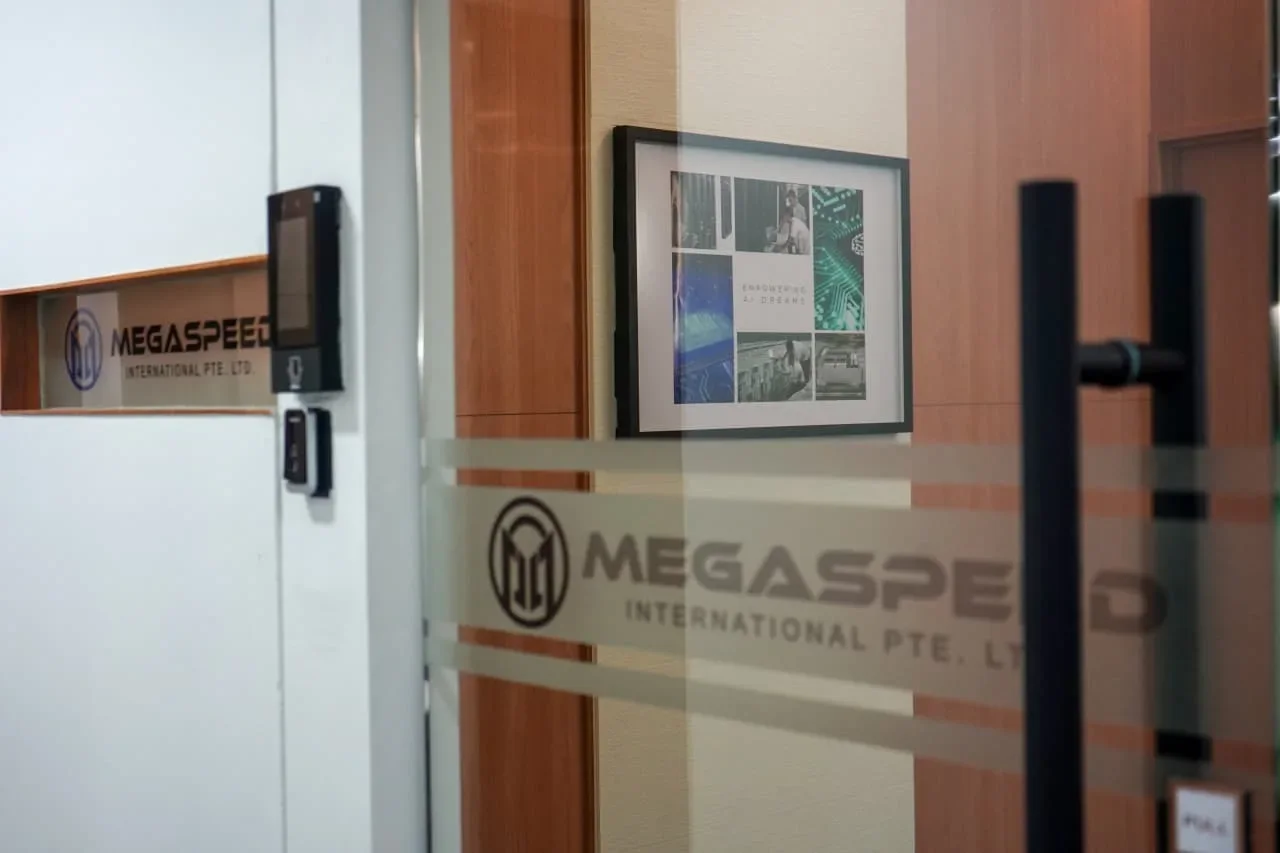
4. Megaspeed Breaks Silence Amid Nvidia Scandal
The Singaporean company Megaspeed, which has found itself at the epicenter of the scandal engulfing tech giant Nvidia, has finally issued its first public statement. This comes after weeks of intense speculation and scrutiny surrounding allegations that have reportedly implicated Nvidia's CEO, Jensen Huang, in an affair with a woman suspected by US intelligence of being a Chinese spy. The scandal has sent ripples through the tech market, raising concerns about corporate governance, national security implications, and the integrity of supply chains for critical technologies.
While the exact details of Megaspeed's statement remain under wraps, its timing suggests an attempt to manage the narrative and perhaps clarify its role in the unfolding drama. Companies caught in such high-profile controversies often face immense pressure to address public and investor concerns, as well as to cooperate with any ongoing investigations. The broader context of the scandal, involving a major chipmaker like Nvidia and allegations of espionage, underscores the increasing geopolitical tensions surrounding technological supremacy, particularly between the United States and China.

This development is crucial for investors monitoring the tech sector and for the wider markets. The Nvidia scandal, combined with other factors, may contribute to broader risk aversion among investors. For instance, Bitcoin ETFs have recently seen significant outflows, with $1.4 billion bleeding in five days as investors cut risk, according to one report. While not directly linked, corporate scandals involving major tech players can dampen overall market sentiment, potentially influencing flows into risk assets like cryptocurrencies and contributing to a cautious outlook in other market segments, including the slight dip in Emami coin prices (-0.2%) observed over the last 24 hours.
5. UK Welfare Reform Proposal Targets Younger Generations
A new review by Milburn on the workforce in the UK suggests a radical overhaul of the welfare system, proposing that young people under 25 should receive fewer welfare benefits. This recommendation is part of a broader effort to address the growing number of young individuals categorized as not in education, employment, or training (NEET). The review aims to incentivize younger generations into the workforce, reduce dependency on state aid, and potentially alleviate pressure on public finances, which are currently grappling with high demand for services like the NHS.
The proposal has significant implications for social policy and economic stability in the United Kingdom. While proponents argue it could foster greater self-reliance and reduce long-term welfare costs, critics express concerns that such measures could disproportionately affect vulnerable young people, potentially pushing them further into poverty or precarious situations. The debate surrounding welfare reform often highlights the tension between fiscal austerity and social safety nets, especially during periods of economic uncertainty and rising cost of living.
For markets, such policy shifts can indirectly influence economic sentiment and consumer spending patterns. If implemented, a reduction in benefits for younger demographics could lead to decreased purchasing power for a segment of the population, potentially impacting retail and other consumer-facing sectors. More broadly, the conversation around welfare reform reflects ongoing challenges faced by developed economies in balancing social provisions with economic realities, a dynamic that can contribute to overall market caution and influence investment decisions, including the observed stability in gold prices (+0.0% for 18k/gram) as investors seek safe havens amidst economic policy uncertainties.
Frequently Asked Questions
Why is India shifting its oil imports from Russia to the Persian Gulf now?
What are the broader implications of India's change in oil import strategy?
What is the latest development in the Nvidia scandal?
How does the UK welfare reform proposal impact younger generations?
What is the significance of John Kerry's comments about Trump at COP31?
The Strategic Importance of Maritime Chokepoints in Global Energy Trade
Maritime chokepoints are narrow sea passages that are critical for global trade, particularly for the transportation of oil and natural gas. These geographical bottlenecks, often natural straits or canals, concentrate vast volumes of shipping traffic, making them highly strategic yet vulnerable. Their significance lies in the fact that any disruption, whether due to geopolitical tensions, conflict, piracy, or even natural disasters, can severely impact global supply chains, leading to energy price volatility and significant economic consequences worldwide. Understanding these chokepoints is crucial for comprehending global energy security and international relations.
One of the most vital and frequently discussed maritime chokepoints is the Strait of Hormuz. Located between the Persian Gulf and the Arabian Sea, this narrow waterway is the sole maritime passage from the oil-rich Persian Gulf to the open ocean. An estimated one-fifth of the world's total petroleum consumption and a quarter of the world's liquefied natural gas (LNG) transits through the Strait daily, originating from major producers like Saudi Arabia, Iran, UAE, Kuwait, and Iraq. Its strategic position makes it indispensable for global energy supplies, connecting producers in the Middle East with major consumers in Asia, Europe, and North America.
The immense volume of oil and gas passing through the Strait of Hormuz makes it a focal point for international security concerns. Threats to its free passage, whether from regional conflicts or political disputes, can send shockwaves through global energy markets, driving up oil prices and forcing nations to re-evaluate their energy supply strategies. India, a rapidly growing economy and a major energy importer, frequently navigates these complexities. While it diversified its oil sources to include Russian crude in recent times, the enduring importance of the Persian Gulf, accessed via the Strait of Hormuz, remains paramount for its long-term energy security, as indicated by shifts in its import patterns based on price and geopolitical stability.
Topics
Related Articles