
Gulf Escalation: IRGC Claims Drone Strike on US Base in Bahrain as Bitcoin Tests $60k Support
تنش در خلیج فارس: حمله پهپادی سپاه به پایگاه آمریکا در بحرین و ریزش بیتکوین به مرز ۶۰ هزار دلار
The IRGC has claimed a direct drone strike on a US radar installation in Bahrain while reporting tanker incidents in the Strait of Hormuz. Meanwhile, Bitcoin faces a brutal week of ETF outflows, dragging the crypto market lower.
At time of publishing
USD
268,800
Toman
Gold 18K
24.69M
Toman / gram
Bitcoin
$64,534
US Dollar
Tether
270,732
Toman
Market Open — Toman Holds Steady Amid Regional Storms
As of this morning, Sunday, November 15, 2026, the Tehran market is opening under a cloud of significant geopolitical tension. Despite the dramatic headlines overnight, the US Dollar (USD/IRR) has remained remarkably flat, holding its position at 268,800 Toman. This stability suggests that local market makers are currently in a 'wait-and-see' mode, processing the potential for further escalation before committing to a new price direction. However, the shadow of conflict usually exerts upward pressure on the greenback, and traders are watching the borders closely.
In the precious metals sector, Gold 18k/gram saw a slight retreat, falling -0.4% to 24,689,505 Toman. This minor correction follows a period of intense rallying and reflects a global cooling in gold prices as the initial shock of regional developments is priced in. Meanwhile, the cryptocurrency market is providing no relief for investors; Bitcoin has slid to $64,534, struggling to find a floor as institutional outflows from US-based ETFs continue for the seventh consecutive day. For the Iranian investor, the combination of a stagnant dollar and falling crypto assets creates a complex environment for capital preservation.
IRGC Claims Drone Strike on US Base in Bahrain
The most significant story overnight comes from the Persian Gulf, where the Islamic Revolution Guards Corps (IRGC) announced a targeted operation against US military infrastructure. According to official claims reported by IRNA, six drones successfully struck a US air defense radar installation at the Riffa helicopter base in Bahrain. The IRGC described this as the 'second phase' of its response to recent US military actions in the region. This move marks a sharp escalation, as it directly targets a facility within a sovereign neighbor hosting the US Fifth Fleet.

Beyond the drone strikes, the situation at sea has deteriorated further. The IRGC also reported that two oil tankers, which they claim were 'violating restrictions,' hit naval mines and caught fire south of the Strait of Hormuz. While the exact identities of the tankers and the nature of the 'restrictions' remain murky, the message is clear: the world’s most vital energy chokepoint is becoming increasingly hazardous. For global markets, this raises the 'risk premium' on oil, though the full impact on crude prices will likely materialize as Western markets open on Monday.
This multi-pronged strategy—targeting both land-based assets and maritime traffic—suggests a calculated attempt to challenge the US security umbrella in the Middle East. For the Iranian public, such escalations often precede new rounds of international sanctions and heightened economic isolation. The immediate concern is whether this will trigger a direct military retaliation, which would fundamentally shift the Toman's current artificial stability.
Europe on Edge: Allegations of Iranian Shadow Operations
While the Gulf is heating up, a different kind of tension is simmering in Europe. Recent reports from the New York Times highlight a growing sense of anxiety among European prosecutors and intelligence officials. They allege that Iran or its proxies are behind a wave of security breaches and threats across Britain and the continent. One specific investigation, titled 'Get Focused on London,' suggests that Iranian agents have been actively targeting individuals and infrastructure in the UK, leading to a significant diplomatic rift.

These allegations contribute to a narrative of an 'emboldened' Tehran, willing to project power far beyond its borders. European officials claim these operations are designed to sow fear and pressure Western governments into concessions on nuclear or regional issues. However, the consequence is often the opposite: a hardening of European foreign policy and increased coordination with the United States on sanctions. For Iranians, this means the 'European channel'—once seen as a potential bridge for economic relief—is effectively closing as security concerns take precedence over trade.
Bitcoin’s Seven-Day Slump: The ETF Exodus
In the world of digital finance, the 'Gold Rush' of early 2026 has hit a significant wall. Bitcoin is currently sliding toward the $60,000 mark as liquidations intensify. The primary driver appears to be a sustained exodus from Bitcoin Spot ETFs, which have now seen seven consecutive days of net outflows. This suggests that the institutional investors who drove the price to recent highs are now taking profits or de-risking their portfolios in response to global instability and changing US monetary expectations.
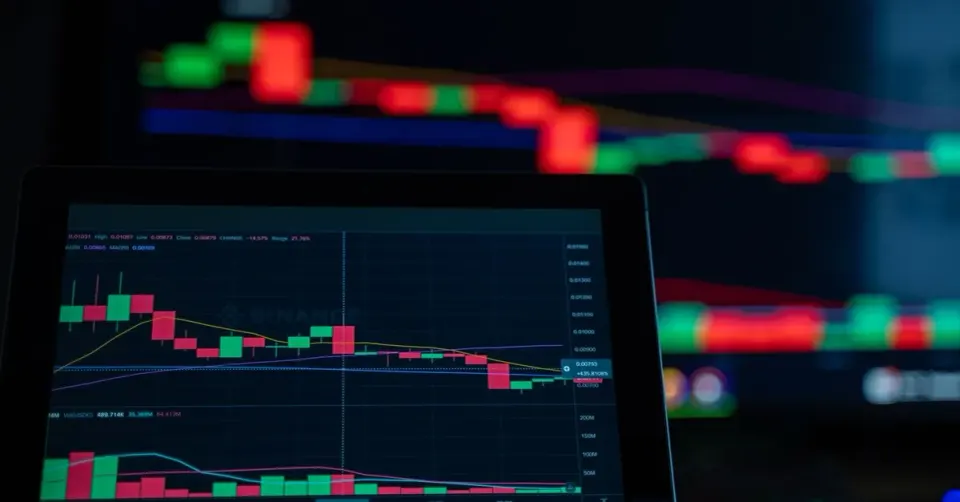
Ethereum has fared even worse, falling 10% in a broad market rout. The 'crypto-winter' vibes are returning as speculators realize that institutional support is a double-edged sword: when the big money leaves, it leaves quickly. For Iranian crypto holders, who often use USDT as a hedge against the Toman, the current volatility is particularly painful. While the Toman price of USDT remains high at 270,732, the underlying loss in Bitcoin’s value is eating into the purchasing power of many local portfolios.
Frequently Asked Questions
آیا حمله به پایگاه بحرین قیمت دلار را در تهران افزایش میدهد؟
چرا بیتکوین با وجود تنشهای جهانی در حال ریزش است؟
وضعیت تردد در تنگه هرمز پس از حوادث اخیر چگونه است؟
The Strategic Importance of the Strait of Hormuz
The Strait of Hormuz is a narrow, strategically vital waterway connecting the Persian Gulf to the Arabian Sea and the open ocean. Flanked by Iran to the north and Oman's Musandam Governorate to the south, this choke point is incredibly narrow, at its widest point only about 39 kilometers (24 miles) across, with shipping lanes just a few miles wide in each direction. Its geographical confines make it a critical, yet vulnerable, artery for global trade, particularly for energy resources.
Its strategic importance cannot be overstated. A significant portion of the world's seaborne oil — roughly one-fifth of global consumption and about one-third of all seaborne crude oil and petroleum products — passes through the Strait of Hormuz daily. This includes crude oil and liquefied natural gas (LNG) from major producers like Saudi Arabia, Iran, UAE, Kuwait, and Iraq. Any disruption to transit through this strait has immediate and profound implications for global energy prices, supply chains, and the stability of the world economy.
Given its critical role, the Strait of Hormuz is a recurring flashpoint for geopolitical tensions. The presence of naval forces, such as the U.S. Fifth Fleet headquartered in Bahrain, underscores international efforts to ensure freedom of navigation. However, the region remains susceptible to threats from regional actors, including Iran's Islamic Revolutionary Guard Corps (IRGC), who have historically threatened to close the strait in response to sanctions or military escalation. Such threats, or actual incidents like drone strikes or mining attempts, can trigger sharp increases in oil prices, prompting investors to seek "safe haven" assets like gold and creating volatility in broader financial markets, including cryptocurrencies like Bitcoin.
Understanding the Strait of Hormuz's strategic significance is key to comprehending how regional geopolitical events can ripple across global economies. It explains why incidents in the Persian Gulf, even those seemingly localized, command international attention and can influence everything from the price of oil at the pump to the value of global currencies and investment trends in diverse asset classes.
Topics
Related Articles

