USD/IRR Edges Up; Gold Surges Amidst Global Uncertainty
دلار/ریال اندکی افزایش یافت؛ طلا در میان نااطمینانی جهانی اوج گرفت
The Iranian Toman saw a modest depreciation against the US Dollar in the last 24 hours, while gold prices experienced a significant surge. This divergence highlights underlying market sentiment influenced by both local economic pressures and broader geopolitical instability.
At time of publishing
USD
158,950
Toman
Gold 18K
18.11M
Toman / gram
Bitcoin
$77,864
US Dollar
Tether
15,793.2
Toman
Key figures
US Dollar
158,950
Iranian Toman
↑ 0.76% todayBitcoin
$77,864
US Dollar
What Actually Happened
The Iranian Toman experienced a slight depreciation against the US Dollar over the past 24 hours. The sell rate moved from an approximate 157,750 Toman to 158,950 Toman, marking a 0.8% increase in dollar value. This movement, while not dramatic, indicates a consistent demand for foreign currency within the Iranian market. Simultaneously, the price of gold, a traditional safe-haven asset, saw a more pronounced uptick. 18k gold per gram rose by 1.2%, and the more significant Emami gold coin surged by 3.1% to reach 181,000,000 Toman. This sharp rise in gold prices suggests investors are seeking refuge from perceived risks, both within Iran and globally.
The global backdrop continues to be a significant factor. News of British MPs preparing to vote on an inquiry into Prime Minister Keir Starmer's appointments, specifically concerning Peter Mandelson and his alleged links to Jeffrey Epstein, adds a layer of political uncertainty in a major Western economy. While seemingly distant, such political tremors can influence global risk appetite. Furthermore, street battles in Mali involving Russian mercenaries and separatist groups highlight ongoing geopolitical fragmentation and conflict, which often translates into increased demand for safe-haven assets like gold. The acquisition of Bitcoin by Michael Saylor's Strategy firm, adding over 3,200 BTC, and Bitmine's substantial Ethereum purchases also indicate a continued, albeit perhaps selective, interest in digital assets among institutional players, though their correlation with local Toman movements is indirect.
---
Why This Matters: The Divergent Paths of USD/IRR and Gold
The parallel movement of the USD/IRR pair and gold prices presents a complex picture for Iranian markets. The slight weakening of the Toman against the dollar reflects persistent local economic pressures, potentially including inflation, capital flight, or demand for import financing. This steady demand for USD keeps the Toman under pressure, even if the moves are incremental. It’s a consistent undercurrent that requires careful observation, as even small daily increases can compound over time, eroding purchasing power.
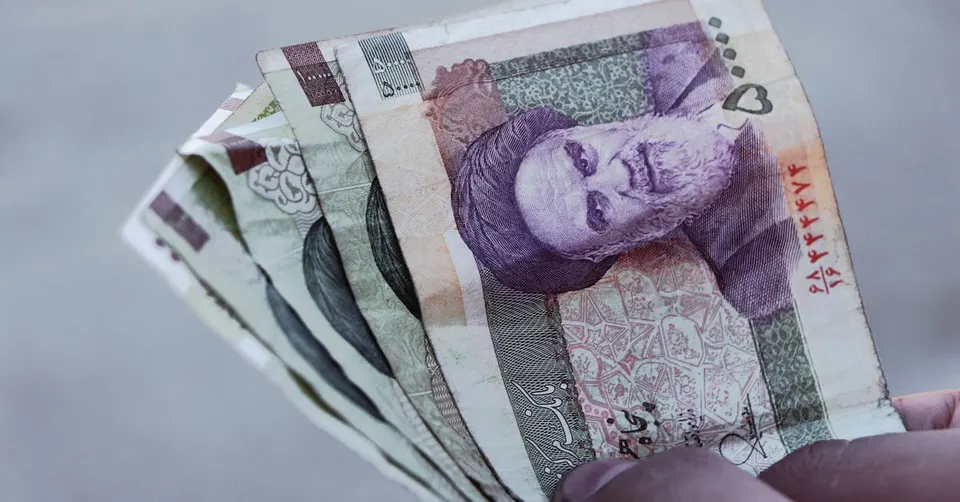
However, the outsized gains in gold point to a broader trend of risk aversion. Investors are not just hedging against a depreciating Toman; they are also seeking protection against more systemic global risks. The ongoing geopolitical tensions, even those not directly involving Iran, contribute to a climate of uncertainty. When global markets become volatile, gold historically benefits as a reliable store of value. The significant jump in coin prices suggests that many in Iran are anticipating or reacting to these global jitters by increasing their gold holdings.
---
The Bigger Picture: Global Tensions and Local Realities
The interplay between international developments and domestic economic conditions is crucial. The news regarding the UK political situation, while primarily a domestic issue, contributes to the general sense of global instability. Such events can indirectly affect international capital flows and investor sentiment, which in turn can influence demand for safe-haven assets worldwide, including gold. Similarly, conflicts in regions like Mali, though geographically distant, underscore the pervasive nature of geopolitical risk.
For Iranian markets, this means that external factors, beyond direct sanctions or international relations, can have tangible impacts. A global flight to safety benefits gold holders but can simultaneously exacerbate pressure on the Toman if international investors reduce exposure to emerging market currencies or assets perceived as riskier. The reported large purchases of Bitcoin and Ethereum by institutional investors like Strategy and Bitmine, while positive for the crypto market, do not directly alleviate pressure on the Toman or necessarily translate into increased local investment in the Iranian economy.
My analysis suggests that while the Toman's depreciation is driven by localized demand and economic fundamentals, the surge in gold prices is a clearer signal of global risk aversion. The market is pricing in a more uncertain future, and investors are reacting accordingly by diversifying into assets perceived as more stable. The continued institutional interest in cryptocurrencies, as evidenced by the recent buys, indicates a parallel but distinct trend in digital asset adoption, which remains largely separate from the immediate pressures facing the Iranian currency.
Frequently Asked Questions
What is the current trend for USD/IRR and gold?
What global factors are influencing the Iranian market?
Is the Toman's depreciation solely due to local factors?
How do institutional crypto investments relate to the Iranian market?
Safe Haven Assets: Why Gold Shines When Uncertainty Rises
When markets tumble or geopolitical tension spikes, investors scramble for assets that are expected to retain value – these are called safe haven assets. Unlike stocks or high‑yield bonds, which can lose a lot of value during crises, safe havens are perceived as low‑risk stores of wealth. Gold is the classic example: it is portable, not tied to any single government’s credit, and has been used as money for millennia. During periods of global uncertainty – such as sanctions on Iran, oil price shocks, or regional conflicts – demand for gold often surges, pushing its price higher.
The appeal of safe havens stems from two economic ideas. First, flight‑to‑quality: investors shift capital from risky assets to those deemed more reliable, driving up their prices. Second, store‑of‑value function: assets like gold preserve purchasing power over long horizons, especially when fiat currencies risk depreciation due to inflation or devaluation (e.g., the Iranian rial). This dual role explains why the USD/IRR exchange rate and the price of the Emami coin can move in tandem with gold’s rally – both reflect a broader search for stability.
Not all assets qualify as safe havens. Government bonds of stable economies (U.S. Treasuries, German Bunds) and certain currencies (the Swiss franc, Japanese yen) are also considered safe, but their safety depends on the credibility of the issuing authority. Gold’s uniqueness lies in its physical nature and historical trust, which is why it often outperforms even the most trusted sovereign bonds during extreme turmoil.
Understanding safe haven dynamics helps investors and analysts interpret market signals. A spike in gold prices, coupled with a weakening local currency like the Iranian rial, signals heightened risk perception. Conversely, when confidence returns, gold may retreat while riskier assets regain appeal. Recognizing this pattern enables better portfolio diversification and risk management.
For a deeper dive, explore the historical performance of gold during crises, the role of central banks in gold reserves, and the interplay between currency devaluation and safe‑haven demand.