
USD Breaches 192,000 as China Defies Oil Sanctions and GameStop Stuns Markets with $56B eBay Bid
دلار به ۱۹۲ هزار تومان رسید؛ شورش نفتی چین علیه تحریمها و شوک ۵۶ میلیارد دلاری گیماستاپ به بازار
The Iranian Rial faced fresh pressure today as USD/IRR climbed 2% to 192,900, fueled by escalating tensions in the Strait of Hormuz and China's historic move to ignore U.S. sanctions. Meanwhile, a massive $56 billion corporate bid in the U.S. and Bitcoin's surge past $80,000 have created a high-volatility environment for Iranian investors.
At time of publishing
USD
192,900
Toman
Gold 18K
21.32M
Toman / gram
Bitcoin
$80,263
US Dollar
Tether
18,882.1
Toman
Key figures
US Dollar
192,900
Iranian Toman
↑ 2.01% todayBitcoin
$80,263
US Dollar
The Current Market Pulse
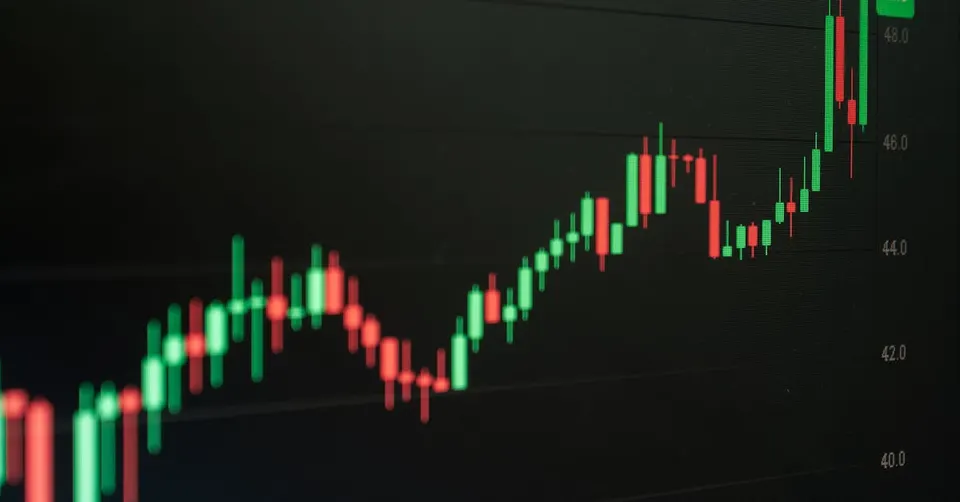
As of 18:30 Tehran time on Monday, May 4, 2026, the Iranian markets are navigating a storm of geopolitical and corporate volatility. The US Dollar (USD/IRR) has surged from 189,100 to 192,900, marking a significant 2.0% increase in just 24 hours. This move reflects a deepening anxiety over regional maritime security and the effectiveness of international trade barriers. Gold 18k per gram followed suit, rising 1.6% from 20,992,428 to 21,320,467 Toman. Interestingly, the Emami coin showed a slight divergence, dropping 0.5% to 205,000,000 Toman, suggesting a potential cooling of the speculative premium that has historically plagued the coin market.
Global markets are equally chaotic. Bitcoin has officially entered what analysts call a 'disbelief rally,' smashing through the $80,000 ceiling for the first time since January. This digital gold rush is being fueled by massive institutional absorption, with entities like BitMine adding over 100,000 ETH to their treasuries. In the equity world, the financial community was blindsided by Ryan Cohen’s GameStop, which launched a staggering $56 billion bid to acquire eBay. This move is designed to transform the gaming retailer into a logistics powerhouse capable of challenging Amazon, signaling that 'meme-stock' energy has evolved into a serious, well-funded corporate strategy.
The Bullish Case for Assets: Defiance and Demand
Beijing’s latest maneuver provides the strongest bullish argument for those holding hard assets or foreign currency. China’s Ministry of Commerce (MOFCOM) has formally invoked its 2021 Blocking Rules, instructing its refiners to ignore U.S. sanctions on Iranian oil buyers. This is a direct challenge to Washington’s economic hegemony. While this could theoretically increase Iran's oil revenue, the immediate market reaction in Tehran has been a flight to the dollar, as investors anticipate a harsh U.S. response or a further escalation in the Strait of Hormuz, where 'Project Freedom' naval escorts are now active.
Furthermore, the 'crypto spring' cited by analysts like Tom Lee is adding a layer of liquidity that often spills over into the Iranian market. As institutional demand absorbs 500% of the daily mined Bitcoin supply, the $84,000 target looks increasingly plausible. For the local investor, this global rally validates the move away from the Rial. Even scientific breakthroughs, such as the successful fertility trial involving cryopreserved tissue, remind us that technological and medical progress continues in the background, though it rarely offsets the immediate pain of a 2% currency devaluation in a single day.

The Bearish Case: The Risk of Overextension
On the flip side, the bearish case for the dollar and gold hinges on the possibility of a 'blow-off top.' The 0.5% dip in Emami coin prices despite the rise in raw gold and USD suggests that local buyers may be reaching their limit. If China successfully bypasses U.S. sanctions without triggering a full-scale military conflict, the resulting influx of foreign currency could provide the Central Bank of Iran with the ammunition needed to stabilize the Rial. The S&P 500’s recent performance also suggests that 'lazy' long-term investing might eventually outperform the frantic hedging we see in Tehran today.
Geopolitical risks also carry a double-edged sword. While the weaponization of technology—exemplified by the new GPS tracking laws in Australia—shows a world increasingly focused on surveillance and control, it also suggests that the U.S. may have non-military ways to tighten the noose. If the GameStop-eBay merger or other massive corporate shifts lead to a broader U.S. market correction, the global 'risk-off' sentiment could paradoxically strengthen the USD globally while hurting speculative assets like Bitcoin, potentially dragging the Toman-denominated markets into a period of stagnation.
Nuanced View: A Fragile Equilibrium
My analysis suggests that we are witnessing a fundamental shift in how global sanctions are perceived. China's defiance is not just a trade move; it is a structural challenge to the dollar-based world order. However, for the average Iranian reader, this translates to heightened volatility. The divergence between the 18k gold price and the Emami coin is the most critical local signal—it indicates that while the underlying value of gold is rising, the speculative 'bubble' in minted coins is under pressure. This is a moment for caution rather than FOMO (Fear Of Missing Out).
Expect the USD/IRR to remain volatile as the market digests the implications of the GameStop-eBay bid and the ongoing naval standoff. The $84,000 Bitcoin target is a key milestone to watch; if reached, it may trigger a profit-taking cycle that could temporarily strengthen the Rial as capital flows back into local liquidity. Monitor the Strait of Hormuz closely—any physical disruption there will override all technical indicators and corporate news. This is an opinion based on current data; market conditions remain highly unpredictable.
Frequently Asked Questions
Why did the price of 18k gold rise while the Emami coin fell today?
What is the significance of China's 'Blocking Rules' for the Iranian Rial?
How does the GameStop-eBay merger bid affect Iranian investors?
Is Bitcoin at $80,000 a sustainable hedge against Rial inflation?
Understanding Secondary Sanctions: How They Shape Global Oil Trade and Currency Markets
Secondary sanctions are punitive measures imposed by a country—most often the United States—against third‑party firms, banks, or nations that facilitate prohibited transactions with a primary sanctioned target. Unlike primary sanctions, which directly forbid a domestic entity from dealing with the target, secondary sanctions extend the reach of the embargo by threatening to cut off any foreign participant from the sanctioning country’s financial system if they continue the prohibited activity. This tool allows the sanctioning power to exert pressure far beyond its own borders, compelling non‑U.S. actors to comply with U.S. foreign policy goals.
The mechanism works through the threat of denying access to the U.S. dollar clearing network, SWIFT, or U.S. market participation. For example, when the U.S. re‑imposed sanctions on Iran’s oil sector, it warned that any foreign bank processing Iranian oil payments could be barred from U.S. markets. This pressure led many European and Asian banks to sever ties with Iranian oil traders, even though the banks themselves were not directly sanctioned. The result is a chilling effect that can dramatically reduce the sanctioned country’s export capacity and force it to seek alternative, often clandestine, channels.
China’s recent defiance of Iran‑related oil sanctions illustrates the limits and consequences of secondary sanctions. While Chinese firms have continued to purchase Iranian crude, they risk secondary penalties that could restrict their access to U.S. financial services and technology. The tension has ripple effects on global oil prices, the USD/IRR exchange rate, and even the valuation of assets like gold and cryptocurrencies, as investors seek safe havens amid heightened geopolitical risk. The Strait of Hormuz, a vital chokepoint for oil shipments, becomes an even more strategic flashpoint when major powers leverage sanctions to influence traffic through the narrow waterway.
Understanding secondary sanctions is crucial for investors, policymakers, and businesses operating in the interconnected global economy. They shape trade routes, affect currency valuations—such as the USD/IRR price—and can trigger broader market reactions, like the recent GameStop‑eBay bid frenzy that reflects heightened uncertainty across sectors. By grasping how secondary sanctions function, stakeholders can better anticipate market shifts and navigate the complex web of compliance requirements.