
Mali’s Military Meltdown and the 183,000 Toman Dollar: Why 18k Gold is Outpacing the Emami Coin
خیانت در مالی و دلار ۱۸۳ هزار تومانی: چرا طلای ۱۸ عیار از سکه امامی پیشی گرفت؟
As Mali probes internal military betrayals, global risk appetite is shifting toward hard assets. In Tehran, the US Dollar has surged to 183,100 Toman, while physical gold gram prices are finally catching up to the stagnant Emami coin bubble.
At time of publishing
USD
183,100
Toman
Gold 18K
20.55M
Toman / gram
Bitcoin
$78,413
US Dollar
Tether
18,280
Toman
The Betrayal of Stability and the Sahel Ripple
The news out of Bamako this evening is a stark reminder of how quickly institutional trust can evaporate. Malian authorities have launched a massive probe into military officers suspected of collaborating with jihadist rebels—the very same groups they were sworn to fight. While West Africa might feel worlds away from the Ferdowsi Street exchange shops, the geopolitical instability in a major gold-producing region like the Sahel adds a layer of 'risk premium' to global bullion. When soldiers turn against their own state, as seen in the Azawad Liberation Front's recent capture of the Tessalit camp, capital doesn't just flee; it hides in the most liquid, non-sovereign assets available.
For the Iranian observer, this 'betrayal of stability' is a familiar narrative, though expressed through the lens of currency devaluation. Today, the USD sell rate climbed a sharp 2.9% to hit 183,100 Toman. This isn't just a number; it is a psychological barrier. As we see in the UK, where even basic services like driving tests face a 22-week backlog, the breakdown of state efficiency—whether through corruption in Mali or administrative paralysis in Europe—forces individuals to seek private solutions for wealth preservation. In Iran, that private solution is increasingly split between the traditional safety of gold and the digital frontier of Bitcoin, which currently hovers at a formidable $78,413.

Why Raw Gold is Winning the Race Against Coins
A fascinating divergence occurred in the Tehran market over the last 24 hours. While the USD rose nearly 3%, and 18k gold per gram surged 2.6% to reach 20,547,347 Toman, the benchmark Emami coin remained dead flat at 203,000,000 Toman. This 0.0% movement in the face of a rising dollar suggests that the 'bubble' or premium on minted coins has reached a saturation point. Investors are beginning to realize that paying a massive markup for a minted piece of gold is less efficient than holding the raw material itself when the currency is in freefall.
This shift reflects a more sophisticated Iranian investor. Much like how Rocket Lab stock zoomed 28.5% in April by proving it could actually deliver hardware to space, local savers are looking for 'delivery' on value. If the Emami coin's premium is too high, the market rotates back to 18k gold or even the digital equivalent: USDT. Tether (USDT) is currently trading at 18,280 Toman, offering a nearly identical price point to the physical dollar but without the physical risk of storage or the 'blue dollar' vs. 'old dollar' headaches that plague the physical cash market.
The Digital Hedge: Bitcoin vs. The Golden Ounce
With the global gold ounce sitting at a staggering $4,615.40, the entry barrier for physical gold is becoming prohibitive for the average household. This is where the narrative of 'modernity vs. tradition' takes center stage. On one hand, we have the traditionalists who prefer the weight of an Azadi coin (now at 198 million Toman). On the other, we have a younger generation looking at the 78k Bitcoin price not as a gamble, but as a flight to a system that cannot be 'probed for collaboration' by a central prosecutor.
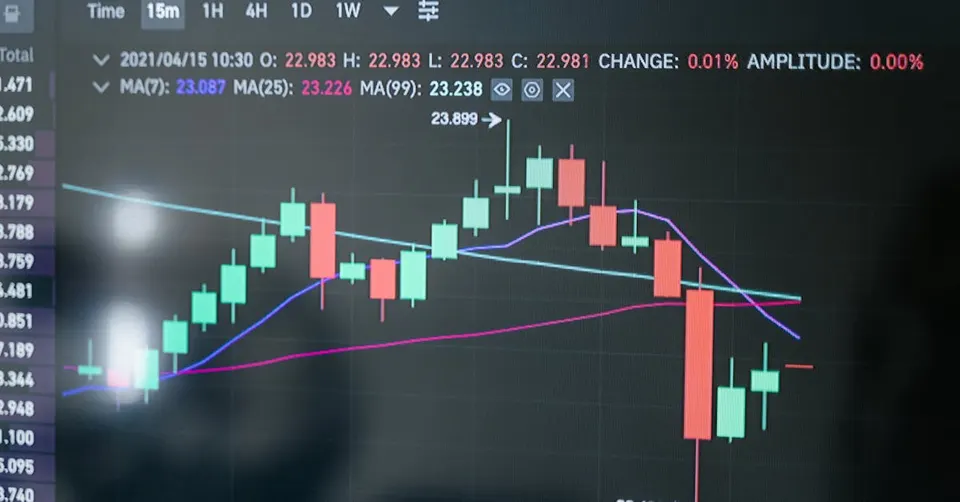
Consider the cultural shift highlighted by figures like Winston Marshall, moving from folk-rock to right-wing commentary. It signals a world where people are abandoning their 'assigned' roles to seek out alternative truths and alternative systems. Whether it is a UK learner driver frustrated by a 5-month wait or an Iranian saver watching their purchasing power diminish by 3% in a single day, the move toward decentralized assets is a move toward autonomy. Bitcoin’s resilience at $78,413, despite a lack of the 'physicality' gold offers, suggests that in 2026, the speed of liquidation is becoming more valuable than the luster of the metal.
Final Verdict: Liquidity is the New Gold
As we close the Saturday session, the takeaway is clear: the 18k gold gram is currently a 'truer' reflection of market stress than the Emami coin. The stagnation of the coin price despite the USD jump indicates that the market is tired of paying for 'bubbles.' If you are looking for immediate liquidity, USDT remains the king of convenience, tracking the 183k USD rate with precision. However, if the goal is long-term preservation against a backdrop of global military and political instability—from the deserts of Mali to the halls of Westminster—the 18k gold gram remains the most honest barometer of your wealth's survival.

Ultimately, the choice between the 183,100 Toman dollar and the 20.5 million Toman gold gram depends on your timeframe. The dollar is a tool for the next month; gold is a shield for the next decade. In a world where even the soldiers might be working for the other side, owning an asset that belongs to no government is no longer a radical idea—it is a basic necessity.
Frequently Asked Questions
Why did the Emami coin stay flat while the USD rose 2.9%?
Is USDT a safer bet than physical USD at 183,100 Toman?
How does the instability in Mali affect the price of gold in Iran?
Which is more liquid: 18k gold or Bitcoin at $78k?
Inflation Hedges: Safeguarding Wealth in Volatile Economies
When an economy faces high inflation, the purchasing power of its currency erodes rapidly. This means that the same amount of money buys fewer goods and services over time, effectively diminishing one's wealth. To combat this, investors often turn to "inflation hedges" – assets specifically chosen for their ability to retain or even increase in value during periods of rising prices. The core idea is to shift wealth from a depreciating currency into something more stable, which can act as a bulwark against the corrosive effects of inflation.
Gold stands out as a quintessential inflation hedge, a role it has played for centuries. Unlike fiat currencies, gold has intrinsic value derived from its scarcity, durability, and historical acceptance as a medium of exchange and store of wealth. When confidence in a currency wanes, or when central banks print more money, the supply of gold remains relatively constant, making it a reliable safe haven. This is why, in times of economic uncertainty or currency devaluation, demand for gold typically surges, driving up its price in local currency terms.
In economies experiencing significant currency devaluation and high inflation, such as Iran's, the appeal of hard assets like gold becomes particularly pronounced. Local currency becomes less desirable for saving, pushing individuals to seek alternatives that can preserve their purchasing power. While various forms of gold exist – from physical bars and jewelry (like 18k gold) to government-minted coins (like the Emami coin) – their market dynamics can differ. Sometimes, specific forms of gold can experience speculative "bubbles" due to unique local demand or market sentiment, causing them to temporarily outperform or underperform other forms of the same precious metal, as seen with the Emami coin versus 18k gold.
Beyond gold, other assets can also serve as inflation hedges, including real estate, commodities, and, increasingly, certain cryptocurrencies. However, each comes with its own set of risks and benefits. Understanding the principle of inflation hedging is crucial for anyone looking to protect their financial future when traditional currency savings are under threat, offering a vital strategy for wealth preservation in turbulent economic climates.