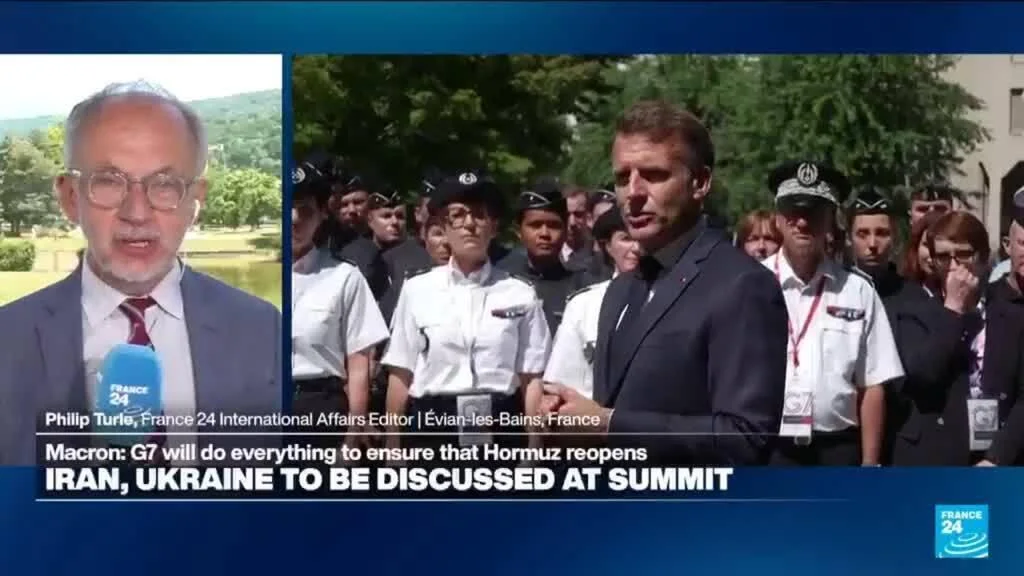
USD/IRR Plummets, Gold Dips: G7 Summit Looms Amid US-Iran Truce
دلار/ریال سقوط کرد، طلا افتاد: اجلاس G7 در بحبوحه آتشبس آمریکا و ایران
The Iranian Toman saw a dramatic 5.7% surge against the USD in 24 hours, while gold prices also fell, reflecting a shifting geopolitical landscape. As the G7 summit convenes, attention turns to the sustainability of this US-Iran truce and its broader economic implications.
At time of publishing
USD
161,000
Toman
Gold 18K
16.98M
Toman / gram
Bitcoin
$66,618
US Dollar
Tether
162,349
Toman
Key figures
US Dollar
161,000
Iranian Toman
↓ 5.74% todayBitcoin
$66,618
US Dollar
What Actually Happened
The past 24 hours have witnessed a significant recalibration in the Iranian currency market. The US Dollar has shed 5.7% of its value against the Iranian Toman, falling from 170,800 to 161,000. This sharp depreciation is mirrored in the precious metals market, with 18k gold per gram falling by 2.3% and the Emami coin seeing a 4.6% decline. These movements suggest a palpable shift in market sentiment, likely driven by the nascent US-Iran peace framework and the impending G7 summit.
The news of an initial agreement between the United States and Iran to extend a ceasefire and potentially reopen the Strait of Hormuz appears to be the primary catalyst. This development, though met with skepticism in some quarters, has injected a dose of optimism into markets that have long braced for regional instability. The G7 summit, set to discuss support for Ukraine amidst ongoing Russian attacks, will also likely see the US-Iran deal taking center stage, with leaders under pressure to demonstrate a unified front on global security and economic stability.

---
Bullish Case for the Toman (and Bearish for USD/IRR)
The immediate driver for the Toman's strength is the perceived de-escalation in US-Iran tensions. The preliminary deal, however fragile, signals a potential reduction in sanctions pressure and a decrease in geopolitical risk premium, both of which have historically weighed heavily on the Iranian currency. News outlets report that mediators are continuing discussions, with a signing ceremony potentially on the horizon [6]. This increased diplomatic activity suggests a commitment to the peace process, which, if sustained, could lead to further currency appreciation.
Furthermore, the potential reopening of the Strait of Hormuz, a critical global energy chokepoint, would significantly ease global supply chain concerns and reduce oil price volatility. As reported, oil prices have already reacted to this news, tumbling significantly [16, 19]. A more stable energy market generally correlates with improved global economic sentiment, which can indirectly benefit emerging market currencies like the Toman by encouraging capital flows away from safe-haven assets like the US Dollar. The return of spot Bitcoin ETF inflows also hints at broader market optimism [1].
---
Bearish Case for the Toman (and Bullish for USD/IRR)
Despite the recent gains, the Toman's recovery is built on precarious foundations. The US-Iran deal is described as 'shaky' and faces 'significant challenges' [2]. Skepticism among some populations in Beirut and a desire for continued conflict in Israel highlight the deeply entrenched divisions that this agreement seeks to bridge. Any perceived faltering in these negotiations, or a resurgence of hostile actions, could quickly reverse the current trend, sending the Toman back into a downward spiral.
Geopolitical developments, such as the ongoing pressure on G7 leaders to support Ukraine [7], could also divert attention and resources away from de-escalating Middle East tensions. Moreover, global macroeconomic factors, particularly the interest rate environment, remain a significant headwind. If central banks, including the US Federal Reserve, maintain a hawkish stance on interest rates, it would continue to favor the US Dollar as a safe-haven asset, potentially limiting the Toman's upside. The argument that America needs to protect its crypto builders [3] also suggests a continued focus on US domestic economic policy which may not prioritize easing global currency pressures.
---
Your Nuanced View
While the 5.7% drop in USD/IRR is undeniably significant and points to immediate relief in the market, it is crucial to temper expectations. This is a reactive adjustment to a developing peace framework, not a fundamental economic overhaul. The sustainability of this trend hinges entirely on the successful navigation of complex diplomatic hurdles and the avoidance of further regional flare-ups.
My analysis suggests that while the immediate downside risk for the Toman has decreased, substantial upside remains capped by global economic uncertainties and the inherent fragility of the US-Iran accord. The G7 summit's focus on Ukraine, while understandable, could also signal a broader geopolitical landscape where other conflicts continue to demand attention, potentially undermining the perceived stability of the Middle East truce. For Iranian readers, this means that while short-term currency gains are welcome, a return to long-term economic normalcy, as experts warn, will take time and depend on sustained de-escalation and structural reforms [5]. The recent news about India pushing for fast-tracked energy storage approvals [15] highlights a global energy transition that could also impact oil-dependent economies. This is not a time for complacency; rather, it's a period of cautious optimism, with a keen eye on diplomatic progress and global macro trends.
Global factors to watch: The G7 summit's unified stance on geopolitical crises and the US Federal Reserve's monetary policy decisions will be critical in shaping the broader market environment. A sustained peace in the Middle East versus renewed global tensions could easily swing market sentiment and currency valuations.
Frequently Asked Questions
What caused the significant drop in USD/IRR?
How is the G7 summit expected to impact the USD/IRR and gold prices?
Are the current gains for the Toman sustainable?
What global factors could influence the USD/IRR and gold prices in the near future?
Geopolitical Risk and Currency Valuation
Geopolitical risk refers to the potential for political events, instability, or conflict between nations to disrupt economic activity and investor confidence across borders. These risks can range from trade wars and diplomatic tensions to actual military conflicts or the imposition of international sanctions. Financial markets are highly sensitive to such uncertainties, as they can directly impact supply chains, commodity prices, capital flows, and the overall stability of an economy.
When geopolitical risks escalate, investors typically seek safety. This often means selling off assets denominated in the currency of the affected region, or even in emerging markets broadly, and moving capital into perceived safe-haven assets. The U.S. dollar, due to its global reserve currency status, is a primary beneficiary in times of uncertainty, as is gold, which has historically served as a store of value. This flight to safety creates downward pressure on the local currency's value, as demand for it falls, and upward pressure on safe-haven assets.
Conversely, a de-escalation of geopolitical tensions, such as a truce or significant diplomatic progress, can have the opposite effect. Reduced uncertainty boosts investor confidence, potentially attracting foreign investment, reducing capital flight, and encouraging economic activity. This newfound stability can lead to a strengthening of the local currency, as demand for it increases. Simultaneously, the reduced need for safe-haven assets can cause their prices (like gold) to dip, reflecting a return to risk-on sentiment in the broader market. This dynamic explains why news of a US-Iran truce could lead to the USD/IRR plummeting (meaning the Iranian Rial strengthens against the dollar) and gold prices dipping.