
Tether Hits 166,000: USD/IRR Gains Momentum as BTC Teeters on the $60,000 Support Level
تتر ۱۶۶ هزار تومانی؛ پیشروی دلار در سایه لرزش بیتکوین روی مرز ۶۰ هزار دلار
The Iranian Rial faced renewed pressure as the USD rose 1.3% in 24 hours, while a massive premium on USDT suggests digital markets are bracing for volatility. As Bitcoin tests the $60,000 floor and geopolitical tensions rise in the Gulf, we analyze the divergence between local demand and global cooling.
At time of publishing
USD
163,950
Toman
Gold 18K
15.92M
Toman / gram
Bitcoin
$60,987
US Dollar
Tether
166,000
Toman
Key figures
US Dollar
163,950
Iranian Toman
↑ 1.30% todayBitcoin
$60,987
US Dollar
The Current Landscape: A Tale of Two Markets
The Iranian market today presents a fascinating contradiction. According to our latest data, the USD/IRR exchange rate rose from 161,850 to 163,950 Toman, marking a notable +1.3% increase in just 24 hours. Meanwhile, Gold 18k/gram experienced a slight cooling, moving from 15,965,880 to 15,916,016 Toman (-0.3%), and the Emami coin remained stagnant at 163,000,000 Toman. The most striking figure, however, is the Tether (USDT) price of 166,000 Toman. This significant premium over the physical dollar suggests that digital-savvy investors are pricing in a much higher risk level than the traditional street market currently reflects.
While President Masoud Pezeshkian has been emphasizing regional peace and cultural ties during his interactions with Pakistan [2], the financial markets seem less interested in diplomatic rhetoric and more concerned with the tangible flow of capital. The stability of the Emami coin despite the rising dollar suggests that local buyers might be hitting a psychological ceiling or are shifting their liquidity toward the digital dollar (USDT) to maintain flexibility in an increasingly volatile regional environment. This divergence between gold and currency often signals a shift from long-term wealth preservation to short-term emergency liquidity.
The Bullish Narrative: Geopolitical Friction and the Risk Premium
The bullish case for the US Dollar in the local market is heavily anchored in the "anxiety premium" currently sweeping the Persian Gulf. US Secretary of State Marco Rubio’s high-stakes tour of Abu Dhabi, Kuwait, and Bahrain [8, 14] is a direct response to the fragility of the recent US-Iran de-escalation framework. When Washington’s closest allies express anxiety over regional security and the future of diplomatic deals, the Tehran market typically reacts by hoarding hard currency. This geopolitical tension is further evidenced by the skyrocketing costs of shipping; oil tankers are now demanding up to $280,000 a day to enter the Strait of Hormuz [10].
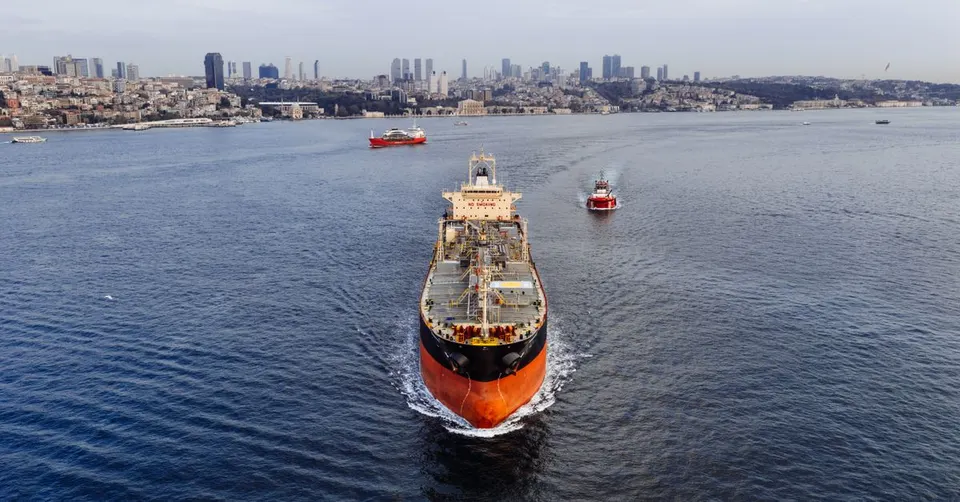
From an analytical perspective, these shipping premiums are a leading indicator of energy market volatility. If the cost of moving oil remains this high due to security fears, the inflationary pressure on the Toman will likely persist. Investors see the dollar not just as a currency, but as a hedge against the possibility that Rubio’s diplomatic efforts might fail to provide the long-term stability the region desperately seeks. In this environment, any news of stalled negotiations or increased naval presence in the Gulf acts as a catalyst for further USD gains.
The Bearish Pressure: Global Cooling and the $55,000 Floor
Conversely, the bearish outlook for global assets like Bitcoin and Gold is gaining traction. Globally, Bitcoin has slipped to $60,987, and analysts at 10x Research are warning that it could drop as low as $55,000 before finding a solid bottom [5]. This downward pressure is driven by a hawkish Federal Reserve under Kevin Warsh, whose stance has strengthened the greenback on the international stage, making non-yielding assets like gold and volatile assets like BTC less attractive. In London, the Climate Change Committee is urging a faster shift toward electrification to lower energy bills [15], a move that reflects a broader global trend away from fossil-fuel dependence—a trend that could eventually sap the long-term strength of petro-currencies.
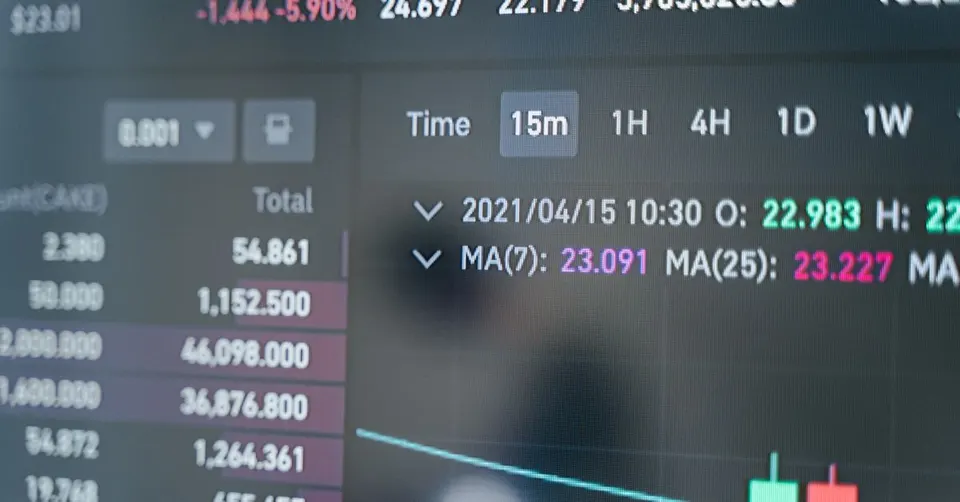
Even within the crypto space, we are seeing a shift in interest. Investors are increasingly flocking to offshore platforms to trade pre-IPO shares of companies like SpaceX [7], bypassing traditional Wall Street routes. This suggests that "old" crypto like Bitcoin is facing a liquidity drain as capital moves toward more speculative, high-growth opportunities. If Bitcoin breaks the $60,000 support level, we could see a rapid acceleration of this bearish trend globally, though the local Toman price might remain high due to the domestic exchange rate imbalance.
The Nuanced View: A Divergence in Sentiment
In my opinion, we are witnessing a "decoupling" of local and global sentiment. While the global market is bearish on BTC and cautious on gold, the Iranian market remains bullish on the USD due to local geopolitical risks. The 166,000 Toman price for USDT is the "canary in the coal mine"; it tells us that the demand for exit liquidity is high. However, one must be careful; the story of the 70-year-old relative being offered a high-risk loan [18] serves as a macro-metaphor for the current market: taking on short-term commitments or chasing high prices in a high-volatility environment can be a dangerous trap for the retail investor.

Ultimately, the interplay between Rubio’s diplomacy and the Hormuz shipping rates will be the deciding factor for the next few days. If Rubio manages to calm Gulf anxieties, we might see the USD/IRR pair retracing some of its 1.3% gain. However, if the "danger payouts" for tankers continue to rise, the dollar could easily test new highs. As always, this is analysis, not advice. Uncertainty is the only certainty in a market where a single diplomatic meeting or a shipping incident can rewrite the charts overnight.
Frequently Asked Questions
Why is the price of Tether (USDT) so much higher than the physical USD in Iran today?
How does Marco Rubio's visit to the Gulf affect the Toman exchange rate?
Is Bitcoin likely to fall below $60,000 soon?
What do the high shipping rates in the Strait of Hormuz signify for the economy?
Stablecoins: How Tether Is Shaping Iran’s Foreign‑Exchange Landscape
Stablecoins are a class of cryptocurrencies that aim to keep their price pegged to a stable asset, most commonly the U.S. dollar. Unlike Bitcoin or Ethereum, whose values can swing wildly, a stablecoin like Tether (USDT) maintains a 1:1 ratio with the dollar by holding reserves or using algorithmic mechanisms. This predictability makes stablecoins attractive for everyday transactions, remittances, and as a store of value in economies where the local currency is volatile or subject to strict capital controls.
In Iran, official foreign‑exchange channels are tightly regulated, and the official USD/IRR rate often diverges sharply from the market rate. Because accessing dollars through banks can be costly or impossible, individuals and businesses turn to peer‑to‑peer platforms that trade Tether for the Iranian rial (or its sub‑unit, the toman). When Tether’s price on local exchanges reaches levels like 166,000 IRR per USDT, it effectively becomes a proxy for the black‑market dollar rate, allowing users to hedge against inflation and bypass sanctions‑induced shortages.
The rise of stablecoins also influences other asset markets. A stronger demand for USDT can push up the price of gold priced in toman, as investors seek alternative safe‑havens. Moreover, the availability of a dollar‑pegged token makes it easier for Iranians to participate in global crypto markets, such as buying Bitcoin near the $60,000 support level, or even speculating on high‑profile events like a potential SpaceX IPO. However, regulators warn that the lack of transparency around stablecoin reserves can expose users to counter‑party risk, especially in jurisdictions with limited legal oversight.
For policymakers, the challenge is balancing the benefits of financial inclusion that stablecoins provide against the risks of capital flight and money‑laundering. Some central banks are exploring their own digital currencies (CBDCs) to offer a state‑backed alternative that can compete with private stablecoins while retaining control over monetary policy. Until such solutions mature, Tether and similar tokens will likely remain a critical bridge between Iran’s constrained official exchange system and the global dollar economy.