
Hormuz Transit Threats vs. Toman's Surprise Retreat: Decoding the 188k Floor
تهدید ترانزیتی در هرمز علیه عقبنشینی غیرمنتظره تومان؛ رمزگشایی از کف ۱۸۸ هزار تومانی
Despite the Iranian Army threatening a transit ban in the Strait of Hormuz and President Pezeshkian declaring a 'full-scale economic war,' the Toman has unexpectedly gained ground. We analyze whether this 1.2% dip in USD/IRR is a temporary correction or a sign of market exhaustion amidst escalating geopolitical rhetoric.
At time of publishing
USD
188,700
Toman
Gold 18K
18.24M
Toman / gram
Bitcoin
$64,494
US Dollar
Tether
188,547
Toman
Key figures
US Dollar
188,700
Iranian Toman
↓ 1.20% todayBitcoin
$64,494
US Dollar
The Toman’s Counter-Intuitive Retreat
As of the evening session on Monday, July 20, 2026, the Iranian markets have displayed a curious divergence from the intensifying war rhetoric. The US Dollar (USD/IRR) fell from 191,000 to 188,700, marking a -1.2% decline over the last 24 hours. Similarly, the gold market saw a significant pullback, with 18k gold dropping from 18,574,264 to 18,244,147 Toman per gram (-1.8%), and the Emami gold coin sliding from 189,000,000 to 183,000,000 Toman (-3.2%). This downward movement suggests that the local market had already priced in a significant amount of 'war premium' and is now undergoing a technical correction as buyers catch their breath.
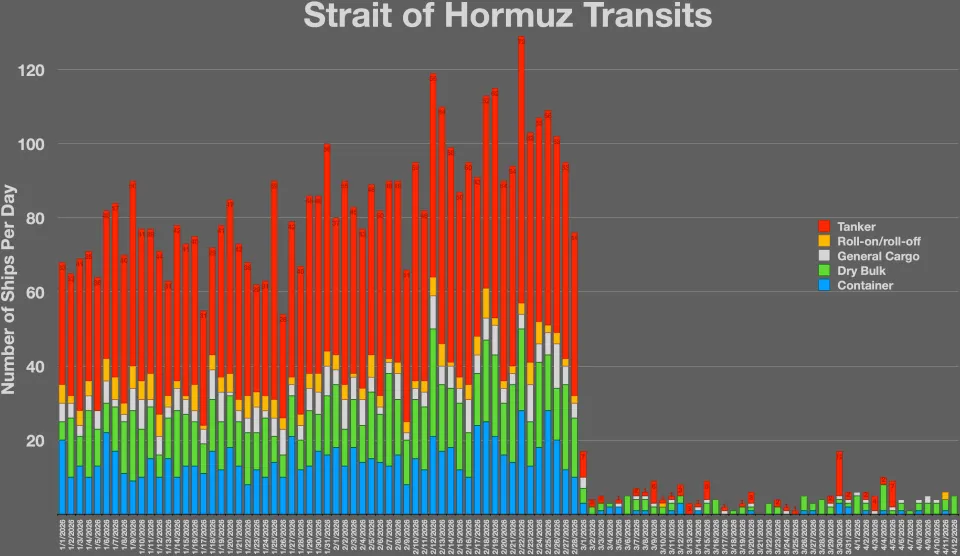
This cooling period occurs despite the Iranian Army’s latest warning that no equipment intended for use against the Islamic Republic will be permitted to transit the Strait of Hormuz. Such a threat typically sends the Toman into a tailspin, yet the current price action reflects a level of local fatigue. It appears that while the rhetoric is heating up, the immediate supply of currency in the domestic market—perhaps bolstered by recent oil shipments reported during the brief ceasefire window—has provided a temporary cushion against a total collapse of the currency's value.
The Bullish Case: A War Footing Economy
The case for a renewed surge in prices (bullish for USD/Gold, bearish for the Toman) remains anchored in the structural reality of the conflict. President Masoud Pezeshkian recently characterized the current situation as a "full-scale war" with the United States, explicitly labeling the economy and public livelihood as the most critical battlefronts. When the highest levels of government adopt such a defensive and combative posture, it signals to the private sector that further sanctions or disruptions are inevitable. This environment naturally encourages capital flight and the hoarding of hard assets like gold and Bitcoin.
Furthermore, the collapse of the Islamabad MoU and the shifting dynamics between the US, Iran, and the Gulf states suggest that the diplomatic off-ramps are narrowing. If the Iranian Army follows through on its threats to disrupt transit in the Strait of Hormuz, the resulting spike in global energy prices and regional insurance premiums would likely shatter the current 188,000 Toman support level for USD. In our analysis, any escalation in the Persian Gulf remains the primary catalyst for a sharp upward breakout in currency and gold prices.

The Bearish Case: Global Stability and Market Exhaustion
On the bearish side (favoring a stronger Toman), we must look at the global context. While Iran is in turmoil, the US stock market is showing signs of life, led by the so-called "Magnificent Seven"—Apple, Amazon, and Nvidia. If global markets stabilize and the US Federal Reserve maintains a predictable rate environment, the speculative pressure on safe havens like gold (currently at $4,010) and Bitcoin ($64,494) might ease. Even Domino’s shares jumping 7% on better-than-expected revenue suggests that global consumer sentiment isn't entirely in 'crisis mode' yet, which can indirectly prevent a runaway panic in frontier markets like Iran.
Domestically, the 3.2% drop in Emami coins indicates that the local 'bubble' in gold premiums might be deflating. If the Central Bank of Iran (CBI) manages to maintain even a trickle of oil revenue—as suggested by reports of billions in oil shipped during the recent ceasefire—they may have enough ammunition to keep the USD below the psychological 200,000 Toman mark for the short term. Market exhaustion is a real factor; after weeks of aggressive gains, many local traders are likely taking profits, creating a temporary ceiling for prices.
Nuanced View: The Hormuz Factor
In our opinion, the current dip is a fragile equilibrium rather than a trend reversal. The interplay between the Army's transit threats and the President's war-front rhetoric creates a high-volatility environment where any single kinetic event in the Strait of Hormuz could undo weeks of Toman gains in a single afternoon. The fact that the USD fell -1.2% today is more a testament to the market being 'overbought' than a reflection of improved fundamentals.
We believe the real macro factors to watch are the specific enforcement of the Hormuz transit ban and the upcoming US election cycle's impact on regional policy. If the transit ban remains a verbal threat, the Toman may stabilize in the 185k-190k range. However, if a vessel is actually detained or blocked, all bets are off. This is not financial advice, but a caution that in a 'full-scale economic war,' the price of the Toman is as much a weapon as it is a metric of value. Uncertainty remains the only certainty.
Frequently Asked Questions
Why did the Toman strengthen despite the Iranian Army's threats in the Strait of Hormuz?
What did President Pezeshkian mean by 'full-scale economic war'?
Is the 183,000,000 Toman price for Emami coin a buying opportunity?
How do US stocks like the 'Magnificent Seven' affect the Iranian Toman?
Geopolitical Risk and Currency Valuation
Geopolitical risk refers to the potential for political events, conflicts, or international tensions to disrupt economic activity and create uncertainty in global markets. These risks can range from regional conflicts and trade wars to political instability within a major economy. When such risks escalate, they don't just affect stock markets or commodity prices; they profoundly influence a nation's currency valuation, often leading to significant depreciation or volatility. Understanding this link is crucial for decoding headlines that intertwine political threats with currency movements.
The mechanisms through which geopolitical risk impacts currency valuation are multi-faceted. Firstly, increased political instability erodes investor confidence, prompting capital flight as both domestic and foreign investors seek safer havens for their assets, typically in more stable economies or currencies like the U.S. dollar. This outflow of capital directly reduces demand for the local currency, causing its value to fall. Secondly, geopolitical tensions can disrupt vital trade routes or lead to the imposition of economic sanctions. For example, threats to key shipping lanes like the Strait of Hormuz can severely impede a country's ability to export its goods, particularly oil, thereby reducing its foreign currency earnings.
Furthermore, sanctions or "economic warfare" directly limit a nation's access to international financial markets and its ability to conduct foreign trade, drastically cutting off the supply of foreign currency needed for imports and debt servicing. This scarcity of foreign currency domestically drives up its price relative to the local currency, leading to sharp devaluations. The resulting import difficulties can also trigger inflationary pressures, as goods become more expensive, further eroding the purchasing power of the local currency.
In the context of Iran, as highlighted by the keywords, the economy is particularly vulnerable to geopolitical risks due to its heavy reliance on oil exports transiting the Strait of Hormuz and the ongoing international sanctions. Any perceived threat to this crucial waterway or an escalation in the "Iran US conflict" directly impacts Iran's ability to earn foreign currency. This increases domestic demand for foreign currencies like the USD, putting immense downward pressure on the Toman's exchange rate, leading to phenomena like the "Toman's Surprise Retreat" or specific "floors" in its value against the dollar.
Ultimately, a nation's currency value is not solely determined by its economic fundamentals but is also a sensitive barometer of its geopolitical landscape. For countries situated in geopolitically sensitive regions or those facing significant international pressures, understanding the interplay between political events and currency markets is paramount for both policymakers and citizens alike.