Trump’s Saudi Nuclear Gambit: Why Toman is Slipping as Riyadh Gains Enrichment Rights
قمار هستهای ترامپ با سعودی؛ چرا همزمان با غنیسازی ریاض، تومان سقوط کرد؟
The announcement of a US-Saudi nuclear deal allowing fuel enrichment has sent shockwaves through Tehran's markets, pushing gold up 3% and the dollar to 192,000 Toman. As Trump threatens Iranian infrastructure, the geopolitical risk premium is reaching a boiling point.
At time of publishing
USD
192,000
Toman
Gold 18K
19.00M
Toman / gram
Bitcoin
$65,766
US Dollar
Tether
191,208
Toman
Key figures
US Dollar
192,000
Iranian Toman
↑ 1.11% todayBitcoin
$65,766
US Dollar
The Market Reality: Toman Under Pressure
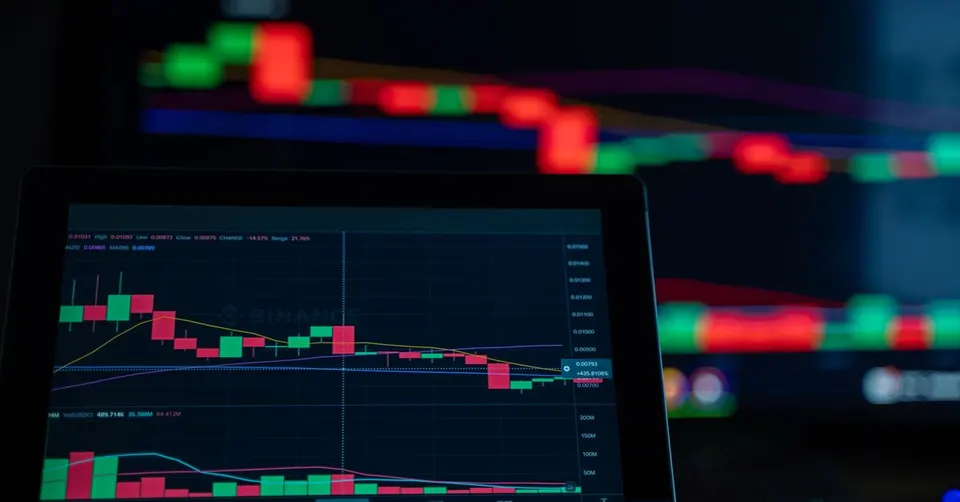
The Iranian markets closed Wednesday with a palpable sense of anxiety as the Toman faced renewed selling pressure. According to the latest 24-hour data, the USD/IRR exchange rate climbed from 189,900 to 192,000 Toman, marking a 1.1% depreciation of the local currency. While the currency slip was notable, the real story lay in the precious metals sector. Gold 18k per gram surged by a staggering 3.0%, moving from 18,440,371 to 18,999,030 Toman. Similarly, the benchmark Emami coin rose 1.6% to reach the 189,000,000 Toman mark. These movements reflect a market that is no longer just pricing in inflation, but is actively hedging against a catastrophic regional escalation.
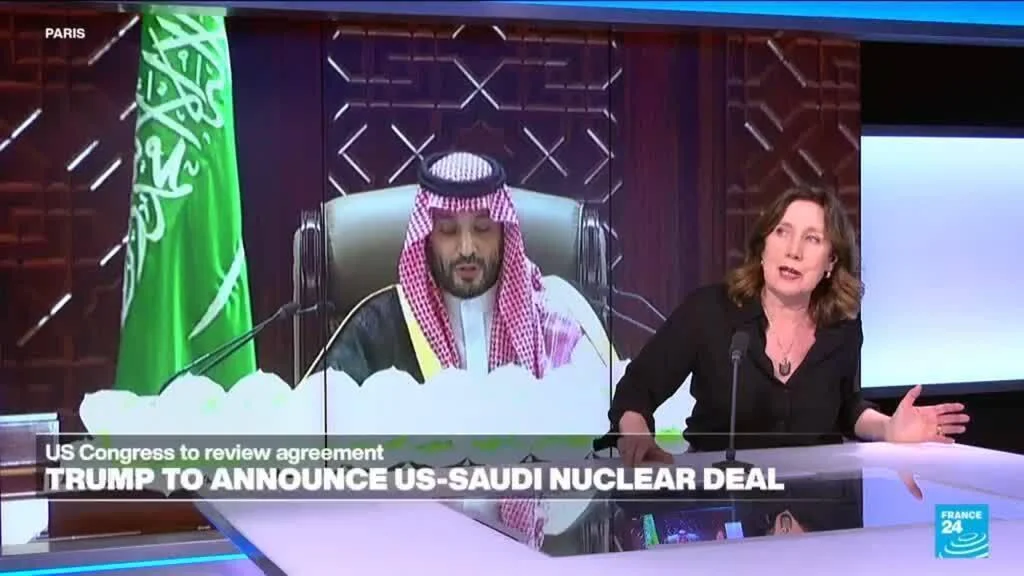
This volatility comes on the heels of a massive geopolitical shift. Reports from France 24 and the New York Times indicate that the Trump administration is set to announce a landmark nuclear deal with Saudi Arabia. Crucially, this deal is expected to allow the Kingdom to enrich its own nuclear fuel, a concession that the U.S. has historically denied its allies. For Iranian traders, this represents a double blow: the loss of a regional 'nuclear monopoly' and the strengthening of a primary rival's strategic standing. The market's reaction—buying gold and dollars—is a clear vote of no confidence in the current regional stability.

The Bullish Case for Assets: Fear is the Driver
The bullish case for the US Dollar and Gold in the Iranian market is currently built on a foundation of escalating threats. President Donald Trump has recently intensified his rhetoric, threatening to destroy Iranian bridges and power plants in retaliation for ongoing tensions in the Strait of Hormuz. When a U.S. President explicitly targets civilian and industrial infrastructure, the market responds by fleeing to liquid, international assets. The threat to power plants is particularly sensitive, as it implies a potential for domestic economic paralysis that could render the Toman even more worthless in a short span of time.
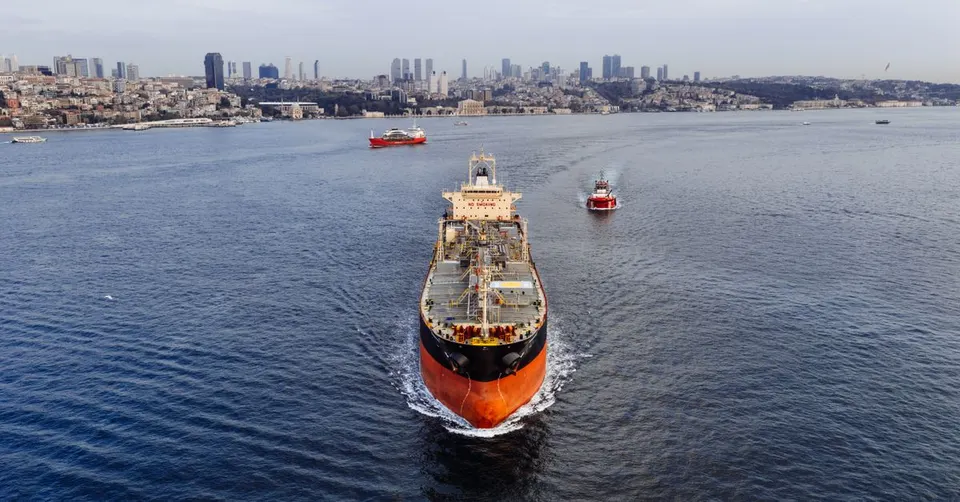
Furthermore, the global energy landscape is adding fuel to the fire. While some analysts suggest Wall Street is to blame for high gasoline prices, the reality for Iran is more complex. Asian refiners, who had previously bet on a recovery in fuel supplies, are now facing delays due to the 'Hormuz Crisis.' As regional hostilities re-escalate, the cost of insuring and shipping goods increases, which indirectly drives up the cost of imports for Iran. This environment creates a 'perfect storm' for gold bugs; as long as the threat of kinetic strikes on Iranian soil remains on the table, there is very little reason for investors to sell their gold holdings.
The Bearish Case for the Toman: Isolation and Tariffs
From a bearish perspective regarding the Toman, the outlook is increasingly grim due to Washington's aggressive trade stance. Trump’s announcement of 50% tariffs on Canada—a close G7 ally—serves as a warning shot to the rest of the world. If the U.S. is willing to impose such draconian measures on its northern neighbor, the likelihood of even tighter secondary sanctions on Iranian oil and banking is nearly certain. This 'America First' trade policy suggests that the Iranian government's remaining backdoors to the global financial system are being systematically closed, leaving the Toman without any fundamental support.
Additionally, the internal economic situation in Iran remains fragile. While the Royan Institute may be hosting academic summer schools to discuss the 'microbiome,' the broader economy is struggling with the reality of a shrinking gas cushion. Europe is heading into winter with its weakest gas storage in 15 years, and any disruption in the Middle East will send global energy prices soaring. While Iran is an energy producer, the inability to modernize its infrastructure due to sanctions means it cannot fully capitalize on these price spikes, leading to a situation where the populace suffers from global inflation without the benefit of increased national revenue.
Nuanced View: A Region in Flux
In my opinion, we are witnessing a fundamental reordering of Middle Eastern power dynamics that the Tehran market is only beginning to digest. The US-Saudi nuclear deal is not just about energy; it is a signal that the U.S. is willing to provide its partners with the tools for 'strategic autonomy' to counter Iranian influence. This reduces Tehran's leverage in future negotiations. However, one must be cautious; market spikes of 3% in a single day often lead to short-term exhaustion. While the long-term trend for gold and the dollar remains upward due to geopolitical risk, we may see a brief 'cooling off' period if the actual announcement of the Saudi deal is already 'priced in.'
Ultimately, the interplay between Trump’s infrastructure threats and the Saudi nuclear advancement creates a ceiling for the Toman that is difficult to break. Investors should remain honest about the uncertainty: a single missile interception over Jordan or a strike on a 'remote uninhabited area' can cause temporary fluctuations, but the macro trend is dictated by the massive defense requests and the shift toward a nuclear-capable Riyadh. This is an environment where 'holding' feels safer than 'trading,' but the risks of a sudden, sharp correction in the event of a diplomatic surprise—however unlikely—should never be ignored.
Frequently Asked Questions
Why did gold rise faster than the dollar today in Tehran?
How does the US-Saudi nuclear deal affect the Toman?
Is the 192,000 Toman level for USD a permanent floor?
What happens if Trump follows through on infrastructure threats?
Geopolitical Risk and its Impact on Currency Valuation
Geopolitical risk refers to the potential for political events, conflicts, or instability between countries to disrupt economic activity and financial markets. These risks can stem from a wide array of sources, including wars, diplomatic disputes, trade tensions, and significant shifts in international policy, such as nuclear proliferation agreements. When such events unfold, they introduce uncertainty into the global economic landscape, prompting investors to reassess the stability and future prospects of affected regions and their respective currencies.
The impact of geopolitical risk on currency valuation is multifaceted and often immediate. Heightened tensions or perceived instability in a region can erode investor confidence, leading to capital flight. Investors may withdraw their funds from countries deemed high-risk, converting local currency assets into perceived safer havens like the U.S. dollar or gold. This increased demand for foreign currency and decreased demand for the local currency directly contributes to the depreciation of the latter. For instance, a major nuclear deal involving a regional power, like Saudi Arabia gaining enrichment rights, can be seen by markets as a shift in the regional balance of power, potentially escalating tensions with other players like Iran, thereby increasing perceived risk for the Iranian Toman.
Furthermore, geopolitical events can disrupt trade routes, impose sanctions, or threaten critical infrastructure, all of which have direct economic consequences that weigh on a currency. For a country like Iran, already facing significant international sanctions and regional challenges like the Strait of Hormuz crisis, any development that increases regional instability or changes the security calculus can exacerbate existing economic pressures. The Toman's depreciation in such a scenario is a direct reflection of market participants pricing in higher risk, anticipating potential economic disruptions, inflation, and a reduced capacity for the country to attract or retain foreign investment.