
Cease-fire Rejection Meets Market Fatigue: Why the Toman and Gold are Dipping Despite War Drums
رد طرح آتشبس و خستگی بازار؛ چرا دلار و طلا با وجود طبل جنگ عقبنشینی کردند؟
Despite Iran's rejection of a U.S.-backed cease-fire proposal and escalating regional warnings, the Toman and Gold are showing surprising resilience. We analyze whether this is a genuine cooling period or a deceptive calm before a geopolitical storm.
At time of publishing
USD
193,100
Toman
Gold 18K
18.81M
Toman / gram
Bitcoin
$63,956
US Dollar
Tether
191,208
Toman
Key figures
US Dollar
193,100
Iranian Toman
↓ 0.21% todayBitcoin
$63,956
US Dollar
The Market Defies the Headlines
As of the evening of Friday, July 24, 2026, the Iranian markets are exhibiting a curious case of "decoupling" from the geopolitical headlines. Despite the rejection of a significant cease-fire proposal, the USD/IRR exchange rate actually dipped slightly, moving from 193,500 to 193,100 Toman, a decline of 0.2%. Gold followed a similar downward trajectory, with 18k gold per gram falling from 18,975,945 to 18,807,424 Toman (-0.9%). Meanwhile, the Emami coin remained stagnant at 188,500,000 Toman. This price action suggests that while the rhetoric is heating up, the immediate liquidity in the Tehran market is not yet pricing in a total collapse of diplomacy.
The context for this calm is a series of escalations that, in any other year, would have sent the Toman into a tailspin. Iranian officials have reportedly rejected a cease-fire deal presented by Iraqi leadership on behalf of the Trump administration. Simultaneously, the IRGC has issued warnings for regional populations to stay at least 500 meters away from U.S. military "hideouts." When the state-aligned media and military apparatus speak in such specific distances, it usually signals a readiness for tactical strikes. Yet, the market seems to be suffering from "headline fatigue," where the sheer volume of threats has dulled the reflexive buying of hard assets.

The Bullish Case: Why a Spike is Lurking
From an analytical perspective, the bullish case for the Dollar and Gold in Iran rests entirely on the failure of diplomacy. The rejection of the Iraqi-mediated deal implies that the gap between Tehran and Washington remains unbridgeable. If the IRGC’s warnings translate into actual kinetic action against U.S. bases in the region, the current 193k level for USD will likely be viewed as a bargain. In such a scenario, panic-buying would return, fueled by the fear of closed shipping lanes in the Strait of Hormuz and further sanctions.
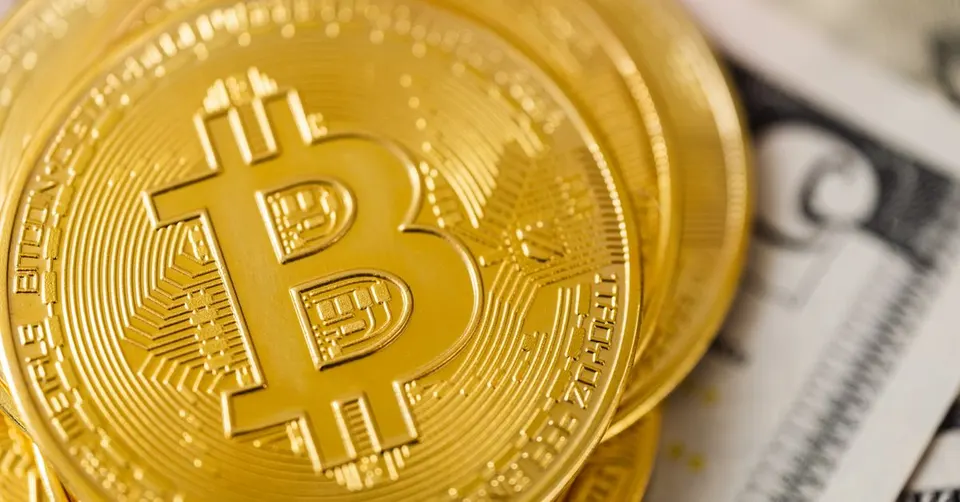
Furthermore, the global environment is providing a tailwind for the U.S. Dollar. As U.S. bond yields surge due to expectations of Fed rate hikes, the global "DXY" index remains strong. In the Iranian context, this translates to a more expensive Dollar even before accounting for local political risk. If Bitcoin continues its slide below the $64,000 mark—currently sitting at $63,956—local investors who typically use crypto as a hedge may rotate back into physical gold or USDT, driving up the domestic price of the Toman-denominated tether.

The Bearish Case: The Limits of Escalation
On the flip side, there is a nuanced bearish case for the Dollar—or at least a case for continued consolidation. The market’s refusal to spike on the news of a rejected cease-fire suggests that traders believe neither side truly wants a full-scale war. The "Trump factor" is also playing a role; while his administration is aggressive with tariffs and military posture, his history of seeking "deals" keeps a glimmer of hope alive for some speculators. The opening of the Gordie Howe Bridge between the US and Canada, though marred by tariffs, shows that the U.S. is focused on economic protectionism which might eventually lead to a "transactional" foreign policy rather than a long-term war.
Additionally, the domestic Iranian economy is under immense pressure. There is a limit to how much the general public can bid up the price of gold and currency when purchasing power is at an all-time low. We are seeing a "liquidity trap" where the desire to buy exists, but the available Toman to do so is scarce. If the central bank manages to maintain even a semblance of intervention, we could see the USD/IRR pair hover in the 190k-195k range for several more weeks, frustrating those who expected a parabolic move.
Nuanced View: The Interplay of Risk
In my opinion, the current market is in a state of "calculated waiting." We are seeing a rare moment where global macro factors and local geopolitical risks are pulling in opposite directions. The surge in U.S. bond yields is bearish for Bitcoin and Gold globally, but the local war risk is bullish for them in Iran. This tug-of-war is why we see a -0.9% dip in gold while the USD only moves -0.2%. The gold price is being dragged down by the global market, while the Toman is being held up by local fear.
Watch the $64,000 level on Bitcoin closely. If BTC fails to hold this floor, it could signal a broader "risk-off" sentiment that will eventually hit the Toman market as well. However, the ultimate wildcard remains the IRGC’s next move. If the 500-meter warning is ignored and an incident occurs, all technical analysis goes out the window. For now, the market is skeptical of the government's ability to manage this crisis, but it is also tired of reacting to every single press release from the Foreign Ministry. This is an analysis, not financial advice; the volatility ahead is likely to be extreme.
Frequently Asked Questions
Why did the Dollar and Gold price drop despite the rejection of the cease-fire?
What does the IRGC's 500-meter warning mean for the market?
How is Bitcoin's drop to $63k affecting the Iranian market?
Is the 193,100 Toman level a support or resistance for USD?
Economic Sanctions and Currency Devaluation
Economic sanctions are punitive measures imposed by one or more countries, or international bodies, against a target country, entity, or individual. Their primary goal is often to compel a change in policy or behavior by inflicting economic pain. These measures can take various forms, including trade embargoes, financial restrictions (like freezing assets or limiting access to global banking systems), travel bans, and restrictions on specific sectors such as oil or technology.
The impact of sanctions on a nation's currency is profound and multifaceted. When a country is subjected to comprehensive sanctions, its ability to generate foreign currency—typically through exports like oil or manufactured goods—is severely curtailed. Furthermore, restrictions on international banking make it difficult to process payments for any remaining trade or to repatriate earnings. This reduction in the supply of foreign exchange, coupled with a persistent domestic demand for essential imports and potentially capital flight, creates immense downward pressure on the local currency.
This imbalance often leads to a significant depreciation or devaluation of the national currency. Governments may struggle to maintain the official exchange rate, leading to the emergence of parallel or black markets where the local currency trades at a much weaker rate against major foreign currencies like the U.S. dollar. This chronic devaluation erodes purchasing power, fuels inflation, and makes imports prohibitively expensive, deeply affecting the daily lives of citizens and the overall economic stability of the nation.
In the context of the given headline, where the Toman and gold are dipping despite escalating geopolitical tensions, understanding the long-term, systemic pressure of economic sanctions is crucial. Unlike a temporary geopolitical shock that might trigger a flight to safe-haven assets, persistent sanctions create an environment of chronic economic strain. This underlying pressure can override the usual market reactions, leading to a continuous weakening of the currency and even affecting the local dynamics of traditional safe havens like gold, as purchasing power diminishes and the economy struggles under sustained external pressure.