Gold Defies the Toman's Brief Calm: Why the Hormuz Standoff is Decoupling Tehran’s Markets
طلا راه خود را از دلار جدا کرد: چرا سایه هرمز بر بازارهای تهران سنگینی میکند؟
While the US Dollar saw a slight 1.2% retreat in Tehran today, gold prices surged by 1.3% as global tensions and falling US oil inventories create a perfect storm for safe-haven assets. We analyze whether the Toman's current 'stability' is a genuine trend or just the calm before a regional storm.
At time of publishing
USD
187,300
Toman
Gold 18K
18.46M
Toman / gram
Bitcoin
$64,378
US Dollar
Tether
187,444
Toman
Key figures
US Dollar
187,300
Iranian Toman
↓ 1.16% todayBitcoin
$64,378
US Dollar
The Local Disconnect: Numbers vs. Sentiment
As of Wednesday evening in Tehran, the market is witnessing a fascinating, albeit stressful, divergence. The US Dollar (USD/IRR) has experienced a slight cooling period, dropping from 189,500 to 187,300 Toman, marking a 1.2% decline over the last 24 hours. On the surface, this might suggest a moment of reprieve for the Iranian consumer. However, the gold market tells a completely different story. 18k gold rose by 1.3%, climbing from 18,214,137 to 18,456,530 Toman per gram. This decoupling suggests that while the currency market might be under heavy management or experiencing a temporary exhaustion of buyers, the underlying fear in the economy is being funneled directly into gold.
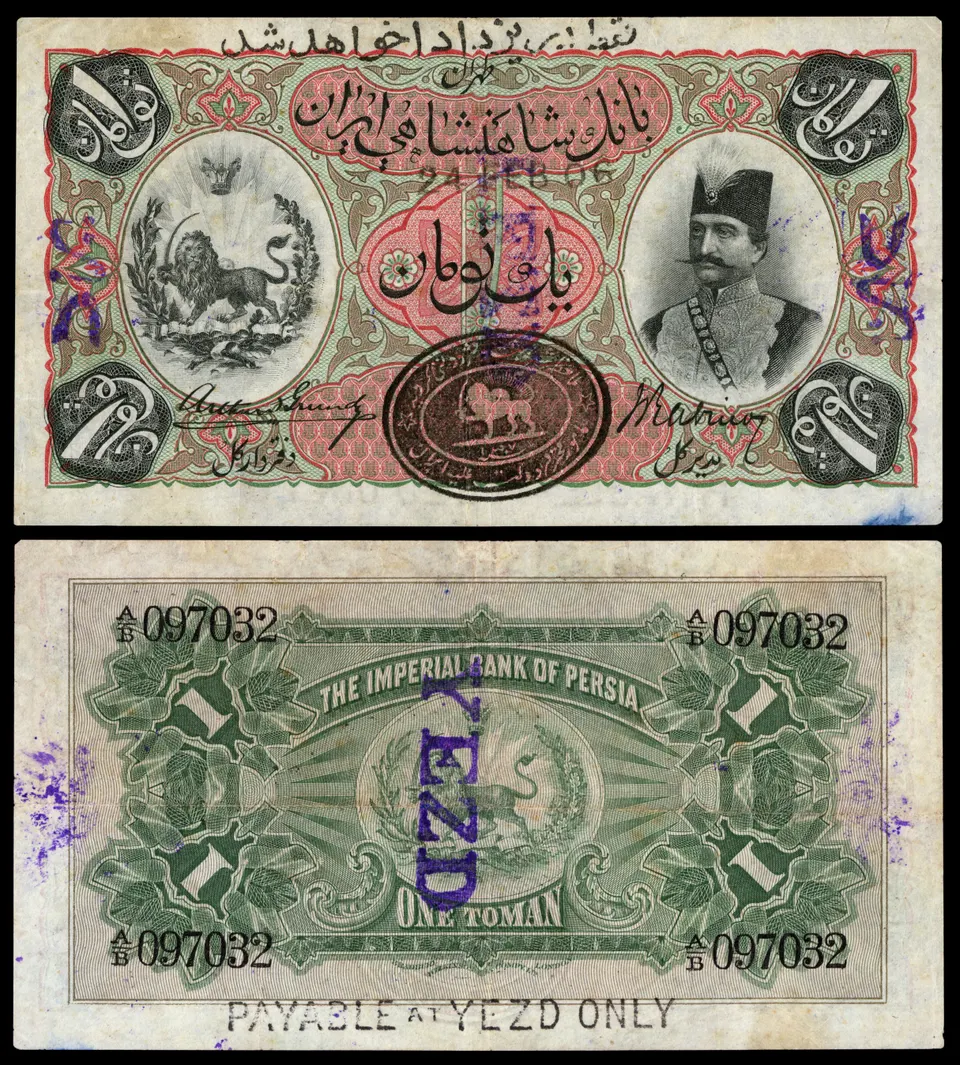
The global context cannot be ignored. With the gold ounce sitting at a staggering $4,244.10, the international appetite for 'hard' assets is at an all-time high. This is no longer just about local inflation; it is about a global shift in liquidity. In Tehran, the Emami coin saw a minor dip of 0.5%, settling at 184,000,000 Toman, which indicates a slight tightening of the bubble premium, even as the raw gold value increases. This suggests that retail investors are hesitant to buy at the absolute peak, yet they refuse to exit their positions into a volatile Toman.
The Bullish Case: Energy Scarcity and Geopolitics
The primary driver for a continued surge in asset prices—specifically gold and hard currencies—lies in the energy sector and regional security. New data from the U.S. Energy Information Administration (EIA) indicates that oil product inventories continue to fall, with commercial stockpiles now 6% below the five-year average. Historically, falling inventories lead to higher energy prices, which in turn fuels global inflation. For the Iranian reader, this translates to a more expensive global environment where the purchasing power of a fiat currency like the Toman is constantly under siege.
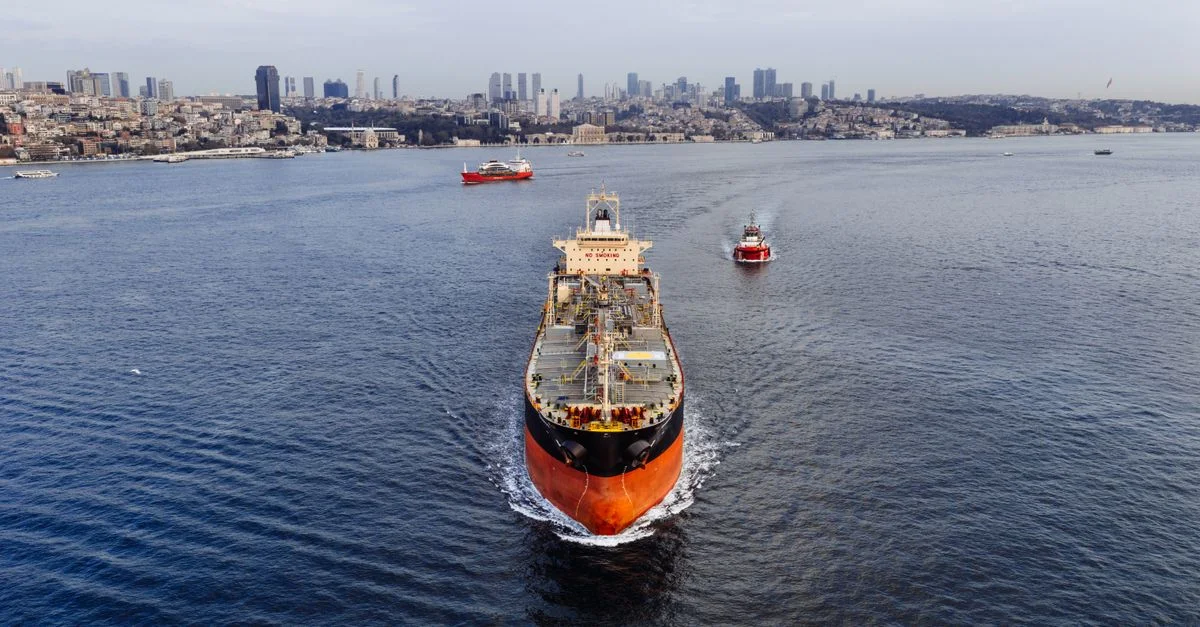
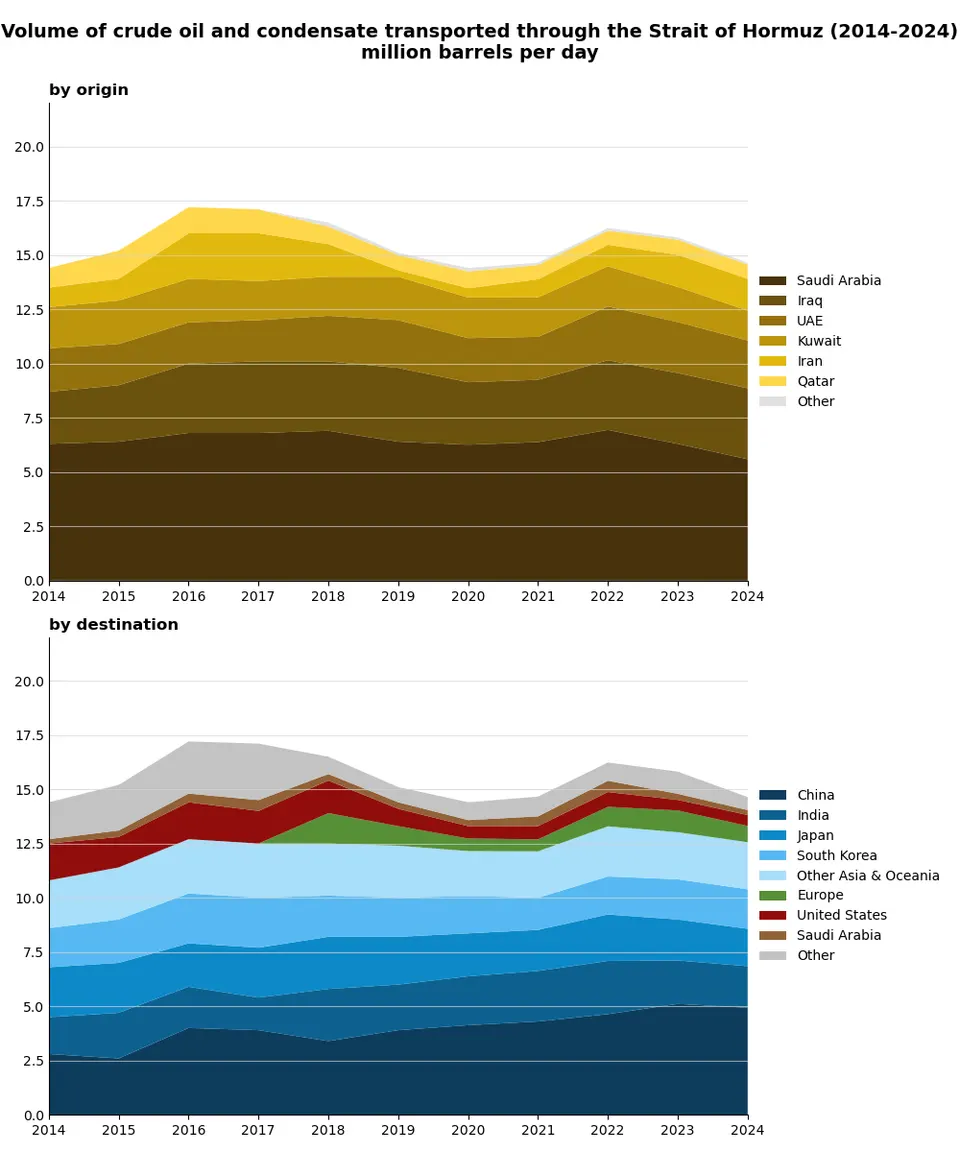
Furthermore, the geopolitical situation remains on a knife-edge. Reports of the ongoing US-Iran standoff in the Strait of Hormuz, coupled with Israeli strikes in southern Lebanon, have kept risk premiums high. While Iranian officials claim that fuel production remains "uninterrupted" despite alleged US-Israeli attacks on infrastructure in Tehran and Alborz, such statements are often met with skepticism by the market. If the physical flow of oil or the security of domestic infrastructure is genuinely perceived to be at risk, no amount of central bank intervention will be able to hold the USD/IRR exchange rate below the 190,000 threshold for long.
The Bearish Case: Intervention and Market Fatigue
On the flip side, there is a case for a temporary ceiling in these prices. The 1.2% drop in the dollar today suggests that the 'central bank's invisible hand' is active. When the government faces existential threats to its infrastructure, its first line of defense is often stabilizing the exchange rate to prevent a total collapse in public morale. By flooding the market with AED (Dirham) or tightening Toman liquidity, they can force a technical correction. Additionally, the drop in Emami coin prices (-0.5%) suggests that the local market might be reaching a point of 'price fatigue' where the average citizen simply can no longer afford to jump into the market at these levels.
In the crypto space, we see a similar pattern of uncertainty. Bitcoin (BTC) is currently trading at $64,378, while USDT in the local market is priced at 187,444 Toman—almost identical to the physical dollar rate. Reports of companies like SpaceX taking massive losses on their Bitcoin holdings ($540 million) serve as a reminder that even the most 'revolutionary' assets are prone to brutal cycles. If global markets enter a 'risk-off' phase due to high interest rates or a recession in the West, we could see a simultaneous sell-off in both crypto and local speculative assets, providing a brief window of Toman 'strength' by default.
Nuanced View: The Hormuz Premium
In my analysis, the current market is not reacting to economic fundamentals, but to a 'Geopolitical Risk Premium.' The fact that gold is rising while the dollar slightly dips is a classic sign of internal hedging. Investors are moving out of the Toman, but they aren't necessarily moving into the Dollar—which is also subject to global fluctuations—instead choosing the ultimate safety of gold. The claim by the Ministry of Oil regarding 'uninterrupted supply' should be taken as a signal of stress; the more the state insists things are normal, the more the market prepares for the opposite.
Watch the Strait of Hormuz. If the standoff escalates into a physical blockade or further infrastructure damage is confirmed, the 187,000 Toman level for the USD will likely be a distant memory. However, if a diplomatic backchannel opens—as suggested by some recent regional movements—we could see a sharp 'mean reversion' where the dollar and gold both lose their recent gains. For now, the safest bet is to recognize that we are in a high-volatility zone where liquidity is more valuable than speculation. This is my opinion based on current data; uncertainty remains the only certainty.
Frequently Asked Questions
Why is gold rising in Tehran while the US Dollar is falling?
How do US oil inventories affect the Toman exchange rate?
What is the impact of the Hormuz standoff on local prices?
Is the current USD price a good entry point for investors?
Gold as a Safe-Haven Asset Amidst Geopolitical Instability and Currency Concerns
Gold has long been revered as a store of value, but its role as a "safe-haven asset" truly shines during times of economic uncertainty and geopolitical turmoil. A safe-haven asset is an investment that is expected to retain or increase in value during periods of market volatility or crisis. When global or regional tensions escalate, such as a standoff in a critical shipping lane like the Strait of Hormuz, investors often flee riskier assets like stocks or local currencies and flock to gold, perceiving it as a reliable hedge against instability.
This flight to safety is driven by the desire to preserve wealth when traditional markets are under pressure. Geopolitical events can disrupt trade, energy supplies, and political stability, leading to widespread economic anxiety. In such scenarios, gold's intrinsic value and its historical track record of holding purchasing power make it an attractive alternative. Its demand typically surges, pushing up its price, even when other commodities or financial instruments are declining.
The phenomenon of gold "defying" a local currency, as suggested by the headline, highlights an additional layer of its safe-haven appeal, particularly in economies facing specific challenges. When a local currency, like the Toman, experiences or is expected to experience depreciation due to inflation, sanctions, or domestic instability, the price of gold denominated in that currency will often rise significantly. This isn't solely a reflection of global gold price movements; it's also a direct consequence of the local currency losing its purchasing power. For individuals and businesses, holding gold or gold-backed assets like the Emami coin becomes a crucial strategy to protect savings from erosion.
In essence, the interplay between geopolitical risk (like the Hormuz Standoff), local currency volatility (Toman exchange rate analysis), and the universal appeal of gold demonstrates how this precious metal acts as a dual defense mechanism. It shields against both external shocks that destabilize global markets and internal pressures that erode the value of domestic currency, effectively "decoupling" its performance from the immediate calm or turmoil of local financial metrics.