
Gold Defies Toman’s Fragile Calm: Why ‘Wartime Diplomacy’ and Tanker Bets Are Rattling the 186K USD Floor
سرکشی طلا در برابر آرامش شکننده تومان؛ چرا «دیپلماسی زمان جنگ» و خرید نفتکشها سقف ۱۸۶ هزار تومانی دلار را میلرزاند؟
While the USD/IRR pair saw a minor 0.2% dip, gold prices surged 1.6% in 24 hours, driven by a staggering $4,346 global ounce. We analyze how regional 'wartime diplomacy' and ADNOC's massive tanker acquisition are signaling a high-stakes shift in market sentiment.
At time of publishing
USD
186,700
Toman
Gold 18K
18.83M
Toman / gram
Bitcoin
$64,905
US Dollar
Tether
186,489
Toman
Key figures
US Dollar
186,700
Iranian Toman
↓ 0.16% todayBitcoin
$64,905
US Dollar
The Gold Surge and Toman’s Quiet Retreat
As of the evening of August 7, 2026, the Iranian market presents a tale of two divergent paths. The US Dollar (USD/IRR) witnessed a minor cooling, sliding from 187,000 to 186,700 Toman—a slight 0.2% decrease that suggests a temporary exhaustion of buyers at the 187k resistance level. However, this localized calm was shattered by the gold market. Gold 18k per gram jumped a significant 1.6%, rising from 18,525,786 to 18,825,892 Toman. This move is largely tethered to the global gold ounce, which has reached a historic and almost unfathomable $4,346.70. While the Toman holds its ground for now, the underlying pressure from the precious metals sector suggests that the currency’s stability is more of a pause than a trend reversal.
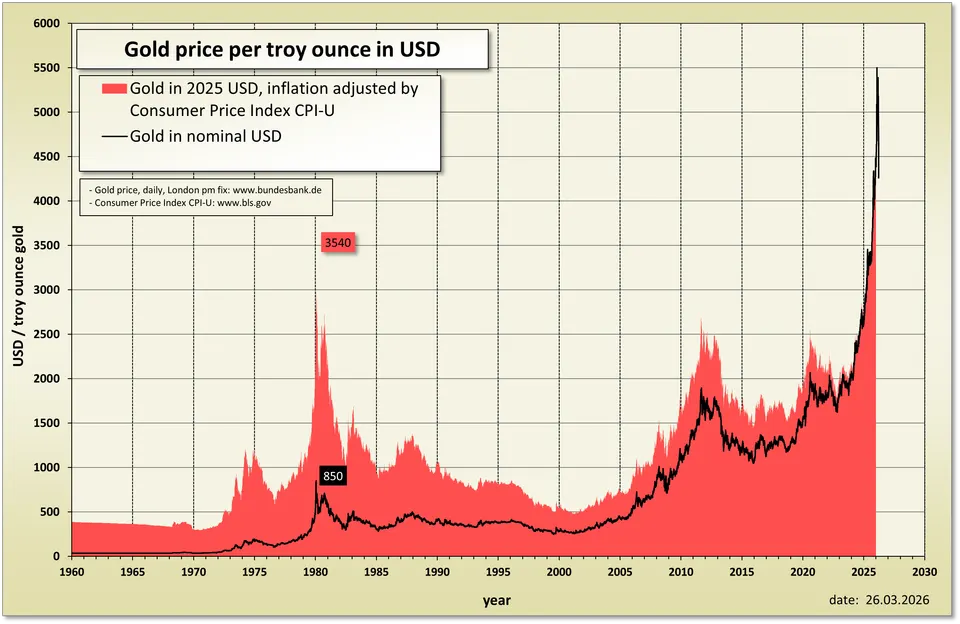
This divergence is critical. Usually, a drop in the dollar leads to a cooling of domestic gold prices, but the sheer momentum of the global 'flight to safety' is overriding local currency dynamics. Investors in Tehran are increasingly looking at gold not just as an inflation hedge, but as a primary vehicle for capital preservation as global geopolitical risks reach a boiling point. The fact that the Emami coin remained stagnant at 185 million Toman suggests a high bubble or a lack of liquidity in the coin market, further pushing retail investors toward 18k melted gold or digital gold derivatives.
The Shadow of ‘Wartime Diplomacy’
The bullish case for the dollar and gold is currently fueled by what Iranian officials are calling 'wartime diplomacy.' Kazem Gharibabadi, a deputy foreign minister, recently claimed that diplomatic channels must remain open even during conflict, but with a language adapted to the battlefield. In our analysis, this is a clear admission that the region is operating under a hair-trigger environment. When the state speaks of 'wartime' conditions, the market listens and prices in the risk of sudden escalations. This rhetoric prevents the USD/IRR from dropping significantly below the 185,000 support level, as traders fear being caught short-handed in the event of a diplomatic breakdown.

Furthermore, the regional energy landscape is shifting in ways that suggest long-term instability. ADNOC, the Abu Dhabi national oil company, has just spent $1.3 billion to acquire 11 supertankers. This massive investment in export capacity signals that regional powers are bracing for a future where logistics and the physical control of supply routes—like the Strait of Hormuz—are paramount. For the Iranian reader, this means that even if a full-scale war is avoided, the economic 'war of attrition' over trade routes is only intensifying, which historically leads to a weaker Toman and stronger hard assets.
The Bearish Case: Transparency and the ‘Diary Entry’ Effect
There is, however, a nuanced bearish case for the current price levels. Just as a six-year-old murder case was recently solved by a single diary entry coming to light, the financial markets often hinge on hidden truths that eventually surface. If the 'wartime diplomacy' mentioned by the government is actually masking a backdoor deal or a temporary de-escalation pact that the public hasn't seen yet, we could see a 'sell the news' event. If the geopolitical tension cools even by 10%, the speculative premium on the 186,700 Toman dollar could evaporate, sending it toward the 175,000 range.

In our view, the market is currently in a state of 'enforced equilibrium.' The downside is protected by genuine regional fears, while the upside is capped by the Central Bank's desperate interventions and the lack of fresh Toman liquidity. The most likely path forward is a sideways grind with a bullish bias for gold. Until the 'diary entry' of current secret negotiations is revealed, the safest bet remains diversification. Do not mistake the 0.2% dip in the dollar as a sign of health; it is merely a breather in a marathon of uncertainty. This is analysis, not financial advice, and the volatility of 2026 demands extreme caution.
Frequently Asked Questions
Why is gold rising while the dollar is slightly falling in Iran?
What does 'wartime diplomacy' mean for the exchange rate?
How do ADNOC's tanker purchases affect the Iranian market?
Is the 187,000 Toman level a solid resistance for USD?
The Enduring Appeal of Safe-Haven Assets Amidst Geopolitical Uncertainty
In times of economic instability, geopolitical tensions, or market volatility, investors and individuals alike often seek refuge in what are known as safe-haven assets. These are investments expected to retain or even increase in value during periods of turbulence, offering a protective shield against potential losses in more volatile markets. Gold is the quintessential example, but other safe havens can include certain government bonds (like U.S. Treasuries), specific currencies (such as the Swiss Franc or Japanese Yen), or even cash. Their primary appeal lies in their perceived reliability and their ability to act as a store of value when other assets falter.
The recent headlines concerning Iran's currency, the Toman, and the rising global gold prices vividly illustrate this concept in action. When “wartime diplomacy” and “Strait of Hormuz oil risk” dominate the news, they signal heightened geopolitical uncertainty. Such risks can trigger capital flight, domestic currency depreciation, and a general erosion of trust in the local economy. In this environment, the Toman's “fragile calm” is easily shattered, prompting individuals to convert their wealth into assets less susceptible to local political and economic whims.
Gold, with its millennia-long history as a universal store of value, becomes particularly attractive. Unlike fiat currencies, gold is not subject to the monetary policies of any single government, nor does it carry counterparty risk. Its price is influenced by global supply and demand, interest rates, and crucially, geopolitical risk. In countries like Iran, where the local currency faces significant pressures from sanctions and internal economic challenges, the demand for gold as a hedge against inflation and currency depreciation often surges, pushing its local price upwards, even as global prices might also be climbing due to broader international anxieties.
This dynamic explains why gold can “defy” a local currency's stability. While the global price of an ounce of gold might be influenced by international factors, its local value in a country like Iran is a product of both the global price and the local exchange rate against a major currency like the USD. When the Toman weakens against the dollar, the local price of gold (denominated in Toman) automatically rises, even if the global dollar price of gold remains constant. This dual effect — global safe-haven demand combined with local currency depreciation — creates a powerful incentive for individuals to invest in gold as a safeguard for their wealth.