
Cash Piles and Vaccine Hopes: Why Tehran’s Market is Shrugging Off the Hormuz Standoff
انباشت نقدینگی و امید به واکسن؛ چرا بازار تهران بنبست هرمز را نادیده میگیرد؟
Despite the ongoing maritime friction in the Strait of Hormuz, the USD/IRR remained nearly flat today with a marginal 0.1% uptick. As global giants like Berkshire Hathaway start deploying record cash reserves, Iranian investors are weighing local geopolitical fatigue against shifting global commodity trends and healthcare breakthroughs.
At time of publishing
USD
185,800
Toman
Gold 18K
18.79M
Toman / gram
Bitcoin
$64,670
US Dollar
Tether
185,701
Toman
Key figures
US Dollar
185,800
Iranian Toman
↑ 0.05% todayBitcoin
$64,670
US Dollar
The 24-Hour Stagnation: A Market in Waiting
As of Monday evening, August 10, 2026, the Iranian currency market is exhibiting a curious case of 'geopolitical fatigue.' Despite the high-decibel rhetoric surrounding the Strait of Hormuz, the US Dollar (USD) sell rate edged up by a mere 0.1%, moving from 185,700 to 185,800 Toman. Similarly, 18k gold followed this microscopic trend, rising 0.1% to 18,791,264 Toman per gram. Most tellingly, the Emami Coin actually retreated, dropping 0.3% to 186,500,000 Toman. This divergence between the raw price of gold and the premium on physical coins suggests that the local 'panic buying' phase has hit a temporary ceiling.
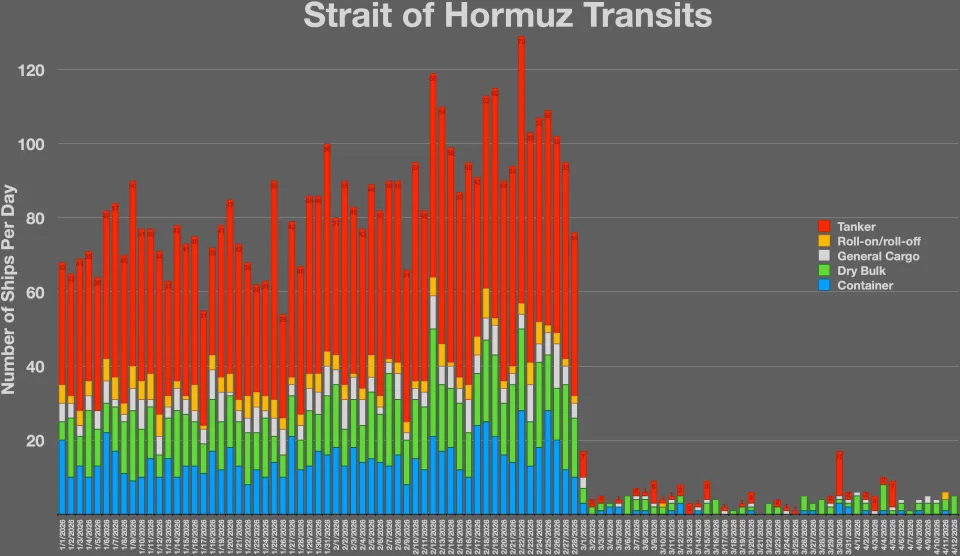
While the headlines scream of a 'changed' Hormuz, the actual trading desks in Tehran and Dubai are showing restraint. This lack of volatility indicates that traders have already priced in a long-term standoff. The market is no longer reacting to every individual threat; instead, it is looking for a new catalyst, either a genuine military escalation or a diplomatic breakthrough. For the average Iranian saver, this translates to a moment of relative calm, though one built on a very fragile foundation of mutual exhaustion between regional powers.
The Bullish Case: Why the Ceiling Might Break
The case for a continued rise in the USD/IRR and gold remains rooted in the hardening stance of the Iranian establishment. Reports suggest that Tehran believes it has successfully 'changed the rules' in the Persian Gulf, forcing neighbors to reshape their security architectures. This newfound leverage often comes with a price tag of increased sanctions and diplomatic isolation. Furthermore, Donald Trump’s recent admission that the U.S. is only 'semi-negotiating' with Iran adds a layer of uncertainty. If negotiations are perceived as a stall tactic rather than a path to relief, the Toman will inevitably face downward pressure as businesses hedge against a future without sanction relief.
Global factors are also playing into the bullish hands of gold bugs. While the Emami coin saw a slight 0.3% dip today, the global gold ounce sits at a staggering $4,347.40. This international floor provides a safety net for local prices. If the U.S. Federal Reserve faces renewed inflation pressure—perhaps signaled by the 'steep price hikes' in sectors like Australian insurance as reported by ASIC—the global flight to hard assets will keep the Toman-denominated gold price elevated regardless of local demand. In this scenario, the current stagnation is merely the 'quiet before the storm' for the next leg up in the currency pair.
The Bearish Case: Global Normalization and Cash Deployment
On the flip side, several global indicators suggest that the 'fear trade' might be overextended. Warren Buffett’s Berkshire Hathaway has finally started digging into its nearly $400 billion cash pile. Historically, when the world’s most conservative value investors start deploying cash, it signals a belief in market stability rather than impending doom. If global liquidity begins to flow back into productive assets and equities, the desperate rush into gold and 'safe-haven' currencies like the USD might lose its momentum. For Iranian markets, a stabilizing global economy usually leads to a more predictable exchange rate environment.

Furthermore, breakthroughs in global health, such as the potential public availability of the Ervebo vaccine for the Ebola strain in DR Congo, contribute to a sense of 'global normalization.' While a vaccine in Kinshasa seems distant from the Tehran bazaar, these developments reduce the cumulative risk profile of the global economy. When combined with news that Indian refiners are successfully cutting losses on LPG sales—a sign of improved energy efficiency and easing supply chain costs—the narrative shifts from 'global crisis' to 'global management.' If the world manages its crises effectively, the 'risk premium' that props up the USD/IRR begins to erode.
Nuanced View: The Exhaustion Equilibrium
In my analysis, we are currently witnessing an 'exhaustion equilibrium.' The 0.1% moves in the USD and gold are not signs of a healthy market, but rather a market that has run out of breath. The local economy is squeezed by high prices, and the global economy is adjusting to a new high-interest-rate reality. The fact that the Emami coin fell 0.3% while the underlying gold rose suggests that the 'bubble' of local anxiety is slightly deflating, even as the global value of the metal remains high. This is a crucial distinction for investors: the cost of the 'fear premium' in Iran is currently higher than the actual market value of the assets.

Looking forward, the interplay between the 'semi-negotiations' in Washington and the actual physical control of the Strait of Hormuz will be the primary driver. However, do not ignore the macro-economic signals from the East. If India continues to stabilize its energy costs and global health risks are mitigated by scientific progress, the 'doom-and-gloom' scenario that many expect for the Toman might be delayed. My view remains cautious: we are in a sideways trend where the risks of a sudden spike are balanced by the reality of a market that simply cannot afford to buy at higher levels. This is an opinion based on current data and is not financial advice.
Watch
DR Congo: Could a vaccine soon be available to the public? • FRANCE 24 English
FRANCE 24 English
Frequently Asked Questions
Why did the Emami coin drop while gold prices rose slightly?
What does Warren Buffett's cash deployment mean for Iranian markets?
How do Indian LPG losses affect the price of the Dollar in Tehran?
Is the Strait of Hormuz situation still the primary driver for prices?
Understanding Geopolitical Risk Premium in Financial Markets
In the intricate world of finance, investors constantly assess a myriad of factors that could impact the value of their assets. One crucial element, especially relevant in regions prone to political instability, is the Geopolitical Risk Premium. This term refers to the additional return that investors demand for holding assets (like stocks, bonds, or commodities) in a country or region perceived to have higher political or economic instability. It's essentially a form of compensation for taking on the increased uncertainty that arises from potential conflicts, policy shifts, sanctions, or diplomatic tensions.
Geopolitical events, such as a standoff in a critical global chokepoint like the Strait of Hormuz or ongoing international negotiations involving major powers, directly contribute to this risk premium. For instance, heightened tensions in the Middle East often lead to an immediate rise in global oil prices, as markets price in the risk of supply disruptions. Similarly, the prospect of sanctions or their removal can significantly influence currency exchange rates, foreign investment flows, and the performance of local equity markets. This premium is dynamic, fluctuating with the perceived likelihood and severity of adverse events.
However, the market's reaction to geopolitical risk is not always straightforward. As suggested by the headline, a market might sometimes appear to "shrug off" a known geopolitical concern. This can happen when other powerful factors mitigate or even outweigh the perceived risk. For example, strong domestic liquidity (like "cash piles" held by investors), the anticipation of positive future developments (such as "vaccine hopes" signaling economic recovery), or the expectation of successful future negotiations could instill enough confidence to reduce the geopolitical risk premium, making investors less sensitive to immediate tensions.
Furthermore, local market dynamics can play a significant role. In some cases, domestic investors, accustomed to certain levels of geopolitical uncertainty, might price in these risks differently than international investors. Unique local factors, such as specific commodity price trends (like gold in Tehran) or the dynamics of local speculative assets (like the "Emami coin"), can sometimes create internal market movements that temporarily decouple from broader geopolitical concerns, contributing to the appearance of resilience even amidst external pressures.