Coal Hunger and Oil Scandals: Why the Toman is Anchored at 187,400 Despite Global Volatility
اشتهای زغالسنگ هند و جنجالهای نفتی: چرا تومان در مرز ۱۸۷ هزار واحد آرام گرفت؟
As the Toman sees a minor 0.1% retreat, global energy dynamics are shifting. We explore how India's massive coal demand and corruption scandals in Kazakhstan are creating a complex backdrop for the Iranian market.
At time of publishing
USD
187,400
Toman
Gold 18K
19.03M
Toman / gram
Bitcoin
$62,564
US Dollar
Tether
187,183
Toman
Key figures
US Dollar
187,400
Iranian Toman
↓ 0.11% todayBitcoin
$62,564
US Dollar
The Friday Market Pulse
As we close the trading session this Friday, August 14, 2026, the Iranian market is showing signs of a very controlled consolidation. According to the latest data, the USD/IRR exchange rate has nudged down from 187,600 to 187,400, marking a minor 0.1% decrease over the last 24 hours. Similarly, Gold 18k/gram saw a slight dip of 0.2%, moving from 19,075,211 to 19,033,658 Toman. Meanwhile, the Emami coin remained perfectly flat at 189,500,000 Toman. In the global arena, Bitcoin is hovering around $62,564, and Gold has reached a staggering $4,390.60 per ounce.
These numbers suggest a market that is breathing after recent fluctuations. While the Toman's movement is marginal, the underlying global factors are far from quiet. The stability in the coin market despite the gold ounce's high valuation indicates that local demand in Tehran is currently balanced by a lack of immediate domestic catalysts. However, as we look toward the next week, the interplay between international energy news and regional liquidity will be the primary driver of the next major move.
The Bullish Argument: Energy Hunger and Global Demand
The case for a stronger USD (and thus a weaker Toman) rests heavily on the massive energy appetite developing in the East. India’s Coal Secretary, Vikram Dev Dutt, recently announced that the country's coal demand is set to hit 1.6 billion tons by 2030. This isn't just a statistic; it’s a signal that the global shift away from fossil fuels is slower than many predicted. For the Iranian reader, this matters because high global energy demand generally supports a strong US Dollar and keeps global inflation sticky. When India and China compete for energy resources, the cost of imports for Iran inevitably rises, putting upward pressure on the USD/IRR pair.
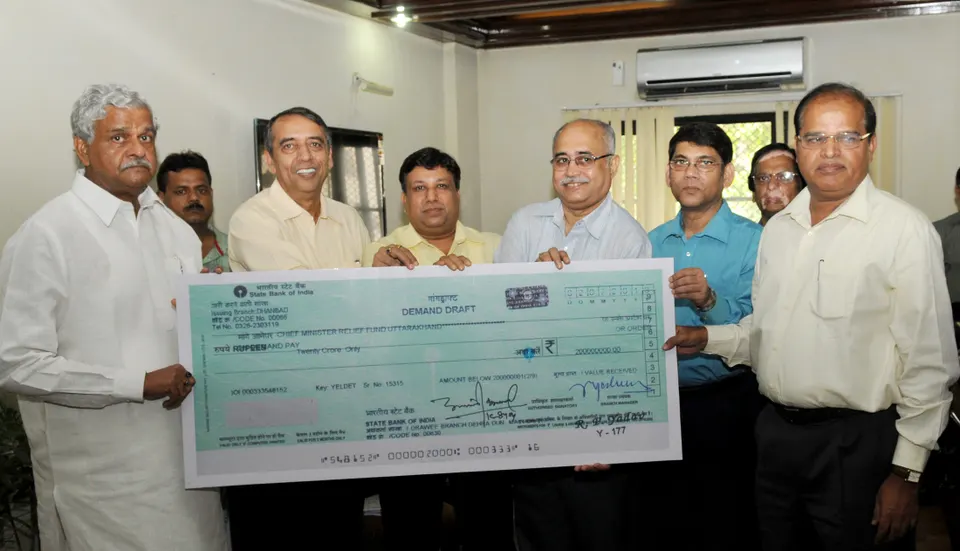
Furthermore, the "wiring of America" is another factor to watch. A $10 billion ETF is currently capitalizing on a $68 billion data center boom in the US. This technological expansion requires immense capital and energy, reinforcing the US Dollar's role as the primary reserve currency. As long as the US economy shows this kind of structural growth in AI and infrastructure, the global "Dollar Smile" theory remains in play, making it difficult for the Toman to gain any significant ground in the long term. If global liquidity continues to flow into US-based tech and energy, the Toman will likely remain under structural devaluation pressure.
The Bearish Argument: Sanction Tightening and Diplomatic Thaws
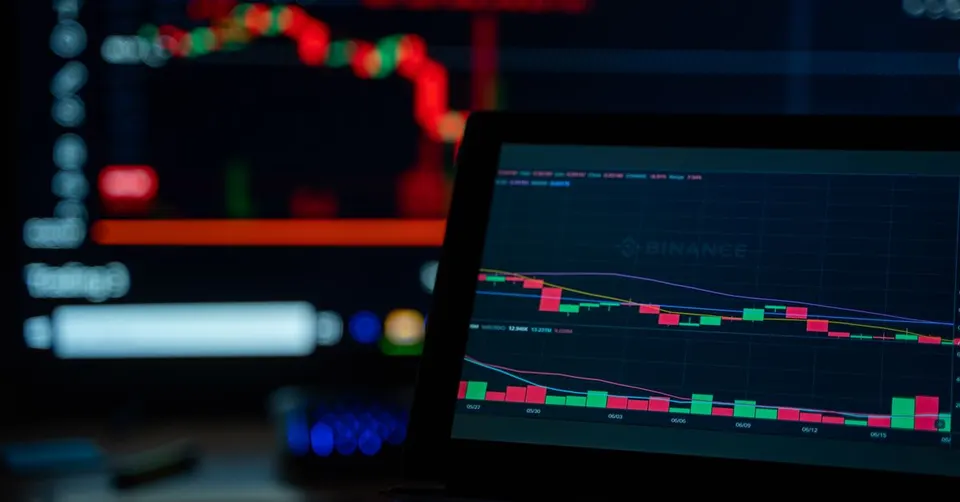
On the flip side, there are reasons to believe the USD/IRR might see further cooling or at least a prolonged plateau. Binance has recently announced restrictions on transactions involving HTX and ten other platforms due to their links to sanctioned Russian entities. While this might seem negative at first, it often leads to a temporary "liquidity trap" where speculative capital in the Iranian crypto-market becomes more cautious. When the path for moving capital through USDT becomes narrower or more scrutinized, the immediate demand for the "Digital Dollar" in the Tehran bazaar can actually soften, leading to a temporary relief for the Toman.
Additionally, geopolitical tensions occasionally find small vents. The release of American missionary Kevin Rideout in Niger, while geographically distant, is part of a broader pattern of back-channel negotiations involving various global powers. In the sensitive world of Iranian currency trading, any sign of successful negotiation or the reduction of "hostage diplomacy" friction is often interpreted as a precursor to broader de-escalation. If the market perceives a lowering of the geopolitical temperature, the "risk premium" baked into the 187,400 Toman price might begin to evaporate, allowing for a corrective move toward lower levels.
The Nuanced View: A Fragile Equilibrium
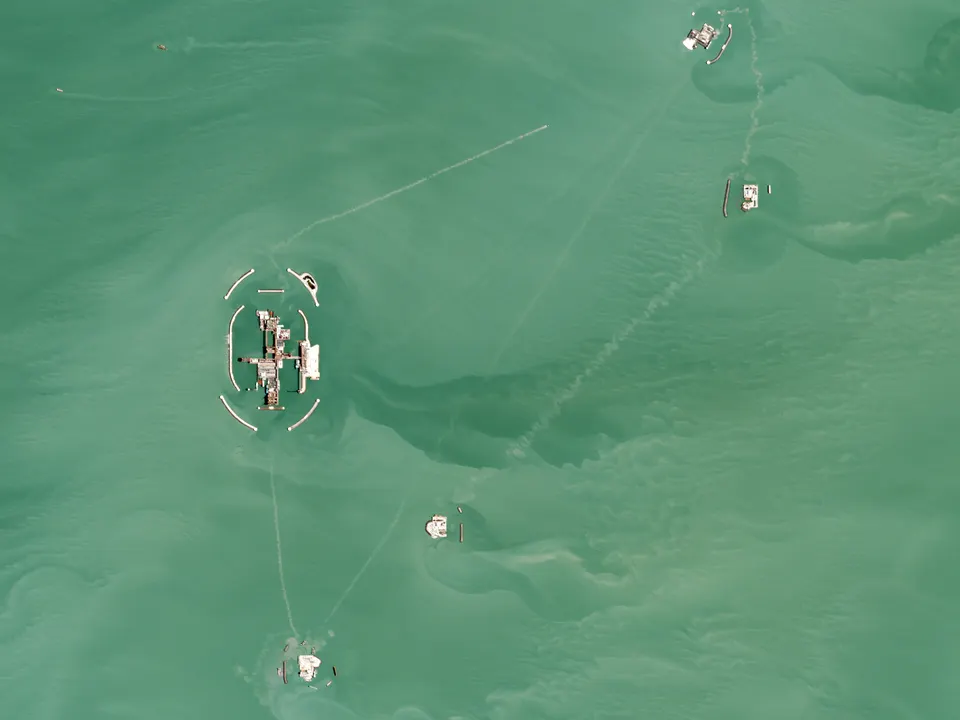
In my analysis, we are currently witnessing a fragile equilibrium. The $10.7 billion corruption scandal in Kazakhstan’s Kashagan oil project is a wild card. Kazakhstan is a key regional player, and legal battles involving major oil firms can disrupt supply chains and regional investment flows. For Iran, any instability in neighboring energy markets can lead to unpredictable currency flows. If the Kashagan project faces delays or legal freezes, global oil prices could spike, which historically provides the Iranian government with more hard currency, potentially allowing them to artificially support the Toman for a short period.
Ultimately, the Toman is caught between a rock and a hard place. The global demand for energy (India's coal) and technology (US data centers) keeps the Dollar strong, while local regulatory shifts and minor diplomatic releases provide temporary breathing room. My opinion is that the 187,400 level is a psychological pivot. We are unlikely to see a massive crash or a massive rally in the next 48 hours. Instead, expect a "grind" where the market waits for a definitive signal from the central bank or a major geopolitical event. Caution is the word of the day; do not mistake this silence for a permanent trend. Markets are currently like a coiled spring, and the energy sector is the hand holding it down.