
Toman Hits 187,000 as Hormuz Rhetoric Sharpens: Can New Trade Routes Offset Geopolitical Risk?
دلار ۱۸۷ هزار تومانی و سایه سنگین تنش بر هرمز؛ آیا مسیرهای جدید پروازی ناجی ریال خواهند بود؟
The Toman edged lower today as the USD reached 187,000, fueled by the expiration of a key US-Iran memorandum and rising energy costs globally. While new regional flight routes offer a glimmer of connectivity, the market remains fixated on the potential for ground operations and the soaring cost of gold.
At time of publishing
USD
187,000
Toman
Gold 18K
19.23M
Toman / gram
Bitcoin
$63,840
US Dollar
Tether
185,913
Toman
Key figures
US Dollar
187,000
Iranian Toman
↑ 0.29% todayBitcoin
$63,840
US Dollar
The Current Market Equilibrium
As of Monday evening, the Iranian market is grappling with a subtle but persistent upward pressure on hard assets. The US Dollar rose from 186,450 to 187,000 Toman, marking a 0.3% increase over the last 24 hours. While this may seem like a marginal move, it represents a psychological breaching of resistance levels that have held for several sessions. Simultaneously, the gold market showed even more vigor; 18k gold jumped from 19,065,977 to 19,225,264 Toman per gram (+0.8%), with the Emami coin following suit, rising 0.8% to hit 190.5 million Toman. This divergence—where gold outpaces the dollar—suggests that local investors are increasingly hedging against global volatility as much as local currency devaluation.

The backdrop for this movement is a mix of localized 'good news' and heavy geopolitical clouds. Iranian state media, IRNA, reported the launch of a new weekly flight route between Mashhad and Karachi by Kish Air. While such developments are framed by the authorities as steps toward regional integration and economic resilience, the market’s reaction remains skeptical. A single flight route, while beneficial for tourism and small-scale trade, does little to address the systemic liquidity issues and the looming expiration of critical diplomatic frameworks that have previously provided a floor for the Toman.
The Bullish Case for Hard Assets
The case for a continued rise in USD and Gold prices is currently anchored in the hardening of geopolitical stances. Reports from Al Jazeera indicate that Iran has signaled readiness for 'US ground operations' as a key Memorandum of Understanding (MoU) expires. This expiration removes a significant diplomatic buffer, leaving the market exposed to the 'Trump factor' and the potential for a more aggressive posture in the Strait of Hormuz. When the threat of military friction increases, capital traditionally flees the Toman in favor of the 'safety' of the dollar and the 'certainty' of gold, which is already trading near historic highs globally at $4,419 per ounce.
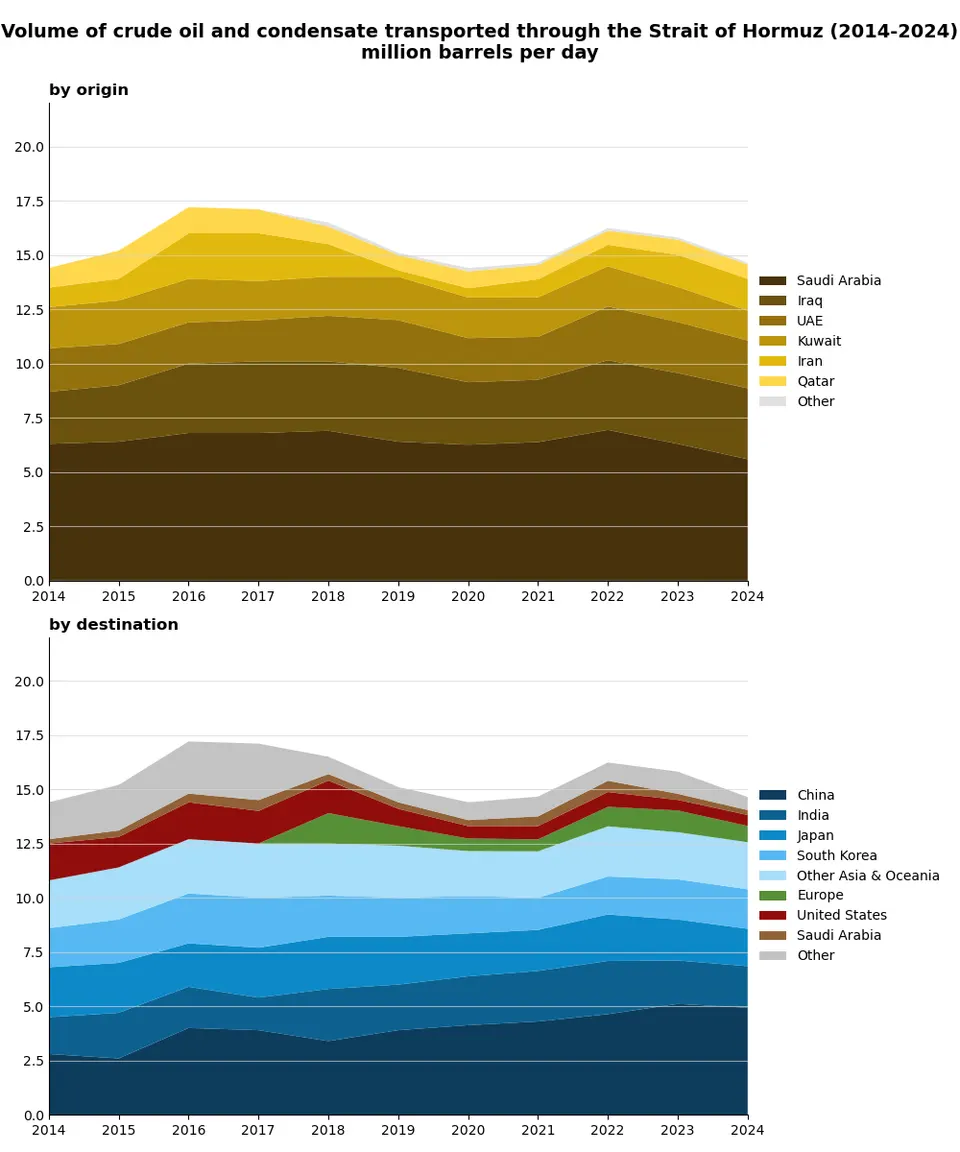
Furthermore, global energy trends are providing an inflationary tailwind. In the UK, inflation is set to rebound as energy bills surge, and Japan is facing a climbing import bill despite easing its immediate supply crisis. These global pressures mean that the cost of imported goods for Iran will likely rise, further straining the central bank's ability to maintain currency stability. As energy costs remain high due to the risks associated with the Hormuz shipping lanes, the 'inflationary tax' on the Iranian consumer becomes a self-fulfilling prophecy, driving demand for USD as a store of value.
The Bearish Case for Hard Assets
Conversely, a cooling of the current rally could emerge if regional diplomacy proves more robust than the headlines suggest. The opening of the Karachi-Mashhad flight route is a reminder that despite Western sanctions, Iran maintains functional corridors with its neighbors. If these 'micro-agreements' expand into broader trade pacts, particularly in the energy sector, it could provide the central bank with enough foreign exchange to intervene and push the USD back toward the 180,000 range. There is also the possibility that the current 'offensive posture' is largely rhetorical, aimed at gaining leverage for future negotiations rather than a prelude to actual conflict.

Additionally, the crypto market offers a potential outlet for liquidity that might otherwise flood the dollar market. Bitcoin, currently trading at $63,840, remains a volatile but attractive alternative for younger Iranian investors. If Bitcoin maintains its stability or ticks higher, it could absorb some of the speculative demand that would otherwise drive the USD/IRR rate higher. Moreover, if global markets perceive the Hormuz risk as 'priced in,' any de-escalation—even a minor one—could lead to a sharp correction in gold prices, dragging the local gold and coin market down with it.
A Nuanced Perspective
In my view, we are entering a phase of 'fragile discovery.' The 187,000 Toman level for the dollar is not just a number; it is a reflection of the market’s anxiety over the post-MoU era. While the government attempts to project a sense of normalcy through new flight routes and regional outreach, the underlying economic reality is dictated by the cost of isolation. The fact that Japan’s oil import bill is climbing despite diversifying away from the Middle East serves as a warning: the cost of bypassing traditional trade routes is high, and Iran, as a central player in those routes, feels the economic friction more than most.
Investors should be wary of the 'Hormuz premium' currently embedded in prices. While the geopolitical risk is real, the market has a habit of overshooting during periods of high rhetoric. The interplay between a surging global gold price and a tense regional environment makes for a volatile cocktail. My analysis suggests that until a new diplomatic baseline is established, the Toman will remain on the defensive, though the pace of its decline may be moderated by the very regional 'openings' the authorities are currently touting. Uncertainty is the only certainty for the remainder of August.
Frequently Asked Questions
Why is Gold rising faster than the Dollar in the Iranian market?
Will the new Iran-Pakistan flight route stabilize the Toman?
What happens now that the US-Iran MoU has expired?
Is the 187,000 Toman level a long-term peak for the USD?
Geopolitical Risk Premium in Oil Markets
The geopolitical risk premium is the extra return that investors demand for holding assets that are exposed to political instability, military conflict, or diplomatic tensions. In the context of oil, the premium shows up as higher spot prices whenever a key transit point—most famously the Strait of Hormuz—faces threats of closure or disruption. Because roughly 20% of the world’s petroleum passes through this narrow waterway, even rumors of naval confrontations can push Brent and WTI futures several dollars higher, reflecting the market’s compensation for the added uncertainty.
When the premium spikes, its ripple effects reach far beyond the energy sector. Countries that rely heavily on oil imports, such as Iran and Pakistan, see a surge in import bills, which can translate into currency depreciation (e.g., the Iranian rial/Toman) and higher inflation for goods tied to energy costs. Investors often turn to traditional hedges like gold or Bitcoin, driving up their prices in local markets. Simultaneously, domestic issuers of alternative assets—such as the Emami coin—may experience heightened demand as locals seek stores of value that are perceived as less tied to the national currency.
The premium also influences trade route decisions. In response to heightened Hormuz risk, airlines and logistics firms have explored overland corridors, such as the Iran‑Pakistan flight and cargo routes, to bypass vulnerable maritime lanes. While these alternatives can reduce exposure to naval threats, they introduce new logistical costs and may affect the overall global energy inflation forecast for 2026, as transport inefficiencies feed into the price of oil‑derived products.
Understanding the geopolitical risk premium helps policymakers and investors gauge how diplomatic events—like the expiry of a U.S.–Iran memorandum of understanding—might translate into macro‑economic shocks. By monitoring tension indicators and the premium’s movement, analysts can better anticipate currency swings, commodity price spikes, and the broader inflationary pressures that shape everyday economic life.