Trump’s 'Lake America' Gambit and the Hormuz Reality Check: Why the Toman is Holding its Breath at 201,500
قمار «دریاچه آمریکا» ترامپ و واقعیت تلخ هرمز: چرا تومان در مرز ۲۰۱,۵۰۰ نفس خود را حبس کرده است؟
The Toman remained stagnant at 201,500 over the last 24 hours, but a deceptive calm masks a boiling geopolitical landscape. As Trump escalates trade wars with Canada and oil markets realize the Hormuz 'peace' was a mirage, the pressure on the Iranian currency is reaching a tipping point.
At time of publishing
USD
201,500
Toman
Gold 18K
21.78M
Toman / gram
Bitcoin
$79,315
US Dollar
Tether
201,500
Toman
Key figures
US Dollar
201,500
Iranian Toman
↑ 0.00% todayBitcoin
$79,315
US Dollar
The 24-Hour Stagnation: A Deceptive Calm
As of the evening of Friday, August 28, 2026, the Iranian market appears to be in a state of suspended animation. The USD/IRR exchange rate held steady at 201,500 Toman, recording a 0.0% change over the last 24 hours. Similarly, the Emami gold coin remained unchanged at 216,000,000 Toman. The only slight movement was observed in 18k gold, which rose from 21,711,528 to 21,776,166 Toman, a marginal increase of 0.3%. This lack of volatility in the currency market is unusual given the theatrical and high-stakes developments occurring on the global stage, suggesting that local traders are waiting for a definitive signal before committing to the next major move.
While the Toman sits still, the global context is anything but quiet. The foreign exchange market in Tehran is currently digesting the collapse of recent rumors regarding a shipping arrangement in the Strait of Hormuz. For a brief window, traders sold off oil and hedged against a stronger Toman on hopes that Iran, Oman, and the U.S. were nearing a workable maritime deal. However, reality reasserted itself when Iran reportedly fired on a vessel near Oman, and President Trump rejected terms for reviving the June ceasefire. This pivot from diplomacy back to confrontation has effectively neutralized the temporary bearish sentiment on the dollar, keeping the rate anchored at the 200k support level.
The Bullish Case for the Dollar: Trade Wars and Hawkish Feds
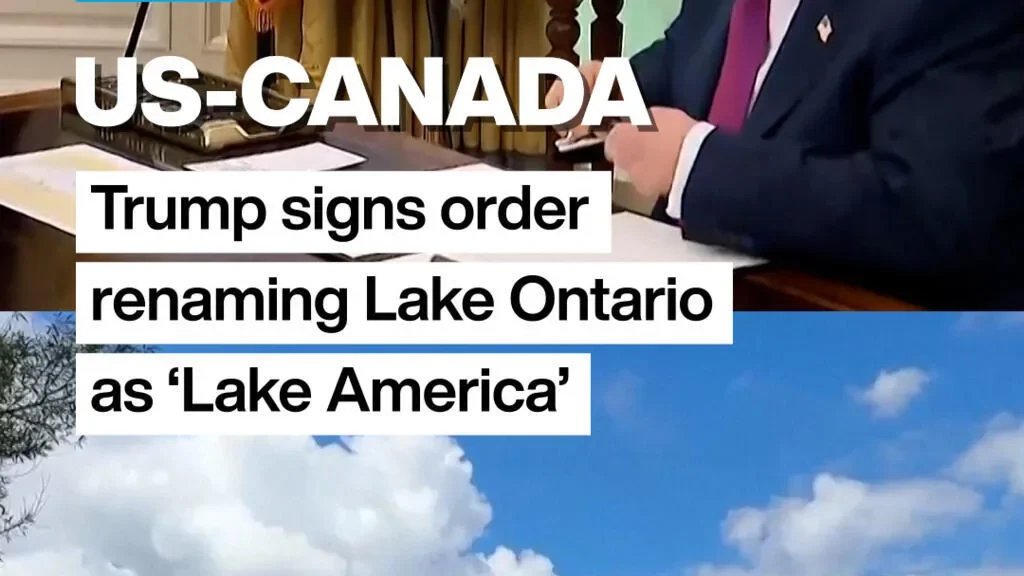
The most eccentric but economically significant driver this week is President Trump’s executive order renaming Lake Ontario to ‘Lake America.’ While the move sounds like pure political theater, it signals a complete breakdown in U.S.-Canada trade relations following the collapse of talks last week. For the Iranian reader, this matters because trade wars usually lead to a 'flight to safety' in the U.S. Dollar. As Trump imposes tit-for-tat tariffs on allies, the global dollar index gains strength, which inevitably puts upward pressure on the USD/IRR rate, regardless of local dynamics. A more aggressive U.S. trade posture often correlates with stricter enforcement of existing sanctions, a point the Iranian Ministry of Foreign Affairs attempted to counter today by claiming all states are 'obliged' to ignore unilateral U.S. measures—a claim that has historically had little impact on the behavior of global banks.
Furthermore, the 'Warsh Factor' at the Federal Reserve is providing a tailwind for the dollar. Kevin Warsh, the new Fed chair, signaled at Jackson Hole that the central bank still has 'work to do' if inflation persists above target. This hawkish stance suggests that U.S. interest rates will remain higher for longer, making the dollar more attractive to global investors and more expensive for those in emerging or sanctioned markets like Iran. If the Fed continues to prioritize inflation control over growth, the liquidity for riskier assets—including the Toman—will continue to dry up, potentially pushing the USD toward the 210,000 mark in the coming weeks.
The Bearish Case: Crypto Liquidity and Oil Realities
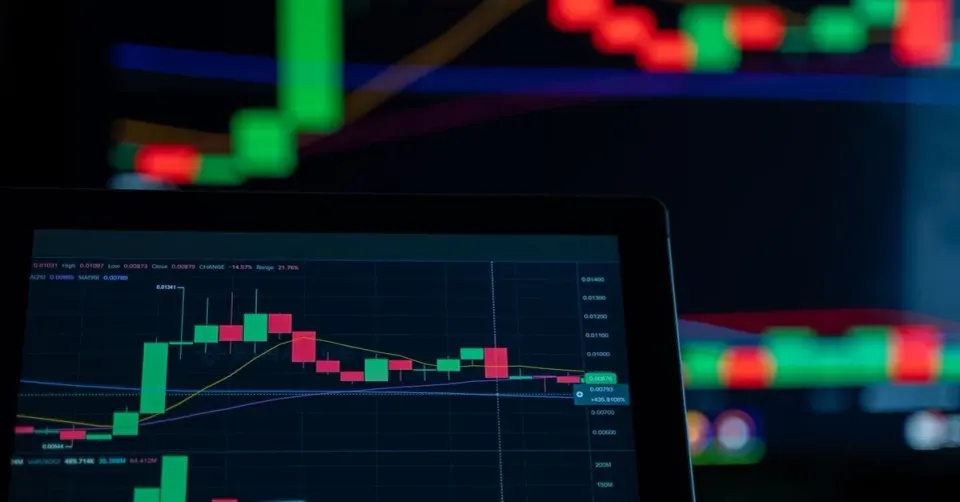
On the flip side, there is a technical argument for a potential correction or continued sideways movement for the dollar. Bitcoin and Ethereum are showing remarkable resilience, with BTC hovering near $79,315 and Ethereum ETFs pulling in a massive $226 million in a single day. This surge in crypto liquidity often acts as a vent for Iranian capital that would otherwise be forced into the physical dollar market. If Bitcoin breaks the psychological $80,000 barrier, we may see a temporary shift in local demand from USDT and physical USD into digital assets, providing the Toman some breathing room at its current levels.
Additionally, the oil market is currently in a state of 'oversold' confusion. While the Hormuz deal failed, the initial selloff of WTI crude—which dropped nearly 3.6% for the week—indicates that the global appetite for high oil prices is waning. If oil continues to trade lower despite the tensions in the Persian Gulf, the Iranian government’s revenue projections will take a hit, but the immediate inflationary pressure from global energy costs might soften. This creates a paradoxical situation where the Toman doesn't necessarily gain strength, but the dollar loses its momentum to climb further, leading to the kind of 0.0% volatility we witnessed today.
Nuanced View: The 'America' Premium
In my opinion, the current stability at 201,500 is the 'eye of the hurricane.' We are seeing a market that is fundamentally bullish on the dollar due to Trump’s unpredictable trade policies and the Fed’s hawkishness, but one that is temporarily exhausted by the rapid climb of the past months. The 'Lake America' incident is a symbol of a new era of American isolationism and aggressive protectionism; this environment rarely favors the currencies of sanctioned nations. The Iranian Ministry of Foreign Affairs’ rhetoric about the UN Charter is a standard diplomatic response, but it lacks the economic teeth to change the reality of the black market rate.
Investors should keep a close eye on the $80k Bitcoin level and the next set of inflation data from the U.S. If the Fed stays hawkish and the Strait of Hormuz remains a zone of active kinetic friction, the 201,500 level will likely act as a floor rather than a ceiling. We are not giving financial advice, but the interplay between Trump’s trade whims and the very real naval tensions in the Gulf suggests that the path of least resistance for the dollar remains upward. The 24-hour freeze in prices is likely a period of accumulation before the next leg of volatility begins.
Frequently Asked Questions
Why did the USD/IRR price remain unchanged at 201,500 despite global news?
How does Trump renaming Lake Ontario affect the Iranian Toman?
What is the 'Warsh Factor' mentioned in the analysis?
Is the 200,000 Toman level a support or resistance?
The Geopolitical Significance of the Strait of Hormuz and its Impact on Global Oil Markets and the Iranian Toman
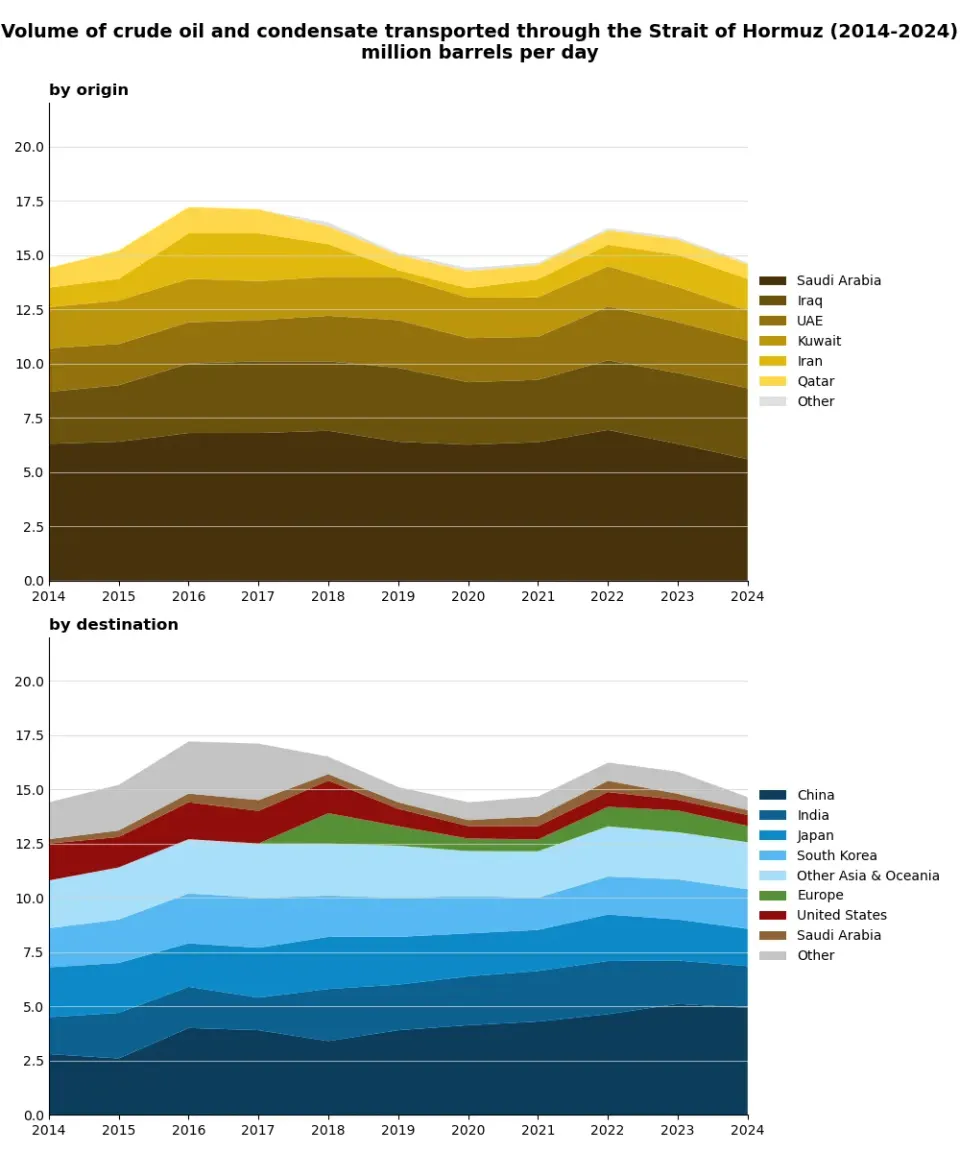
The Strait of Hormuz is one of the most critical maritime chokepoints in the world, a narrow waterway connecting the Persian Gulf to the Arabian Sea and beyond. Roughly one-fifth of the world's total petroleum consumption, including a significant portion of crude oil and liquefied natural gas (LNG), passes through this strait daily. Its strategic importance cannot be overstated; any disruption to shipping here has immediate and profound implications for global energy supplies and prices. Nations bordering the Persian Gulf, including major oil producers like Saudi Arabia, Iraq, UAE, Kuwait, and especially Iran, rely on this passage for their energy exports.
For Iran, the Strait of Hormuz holds particular geopolitical significance. Positioned along its northern coast, Iran has historically asserted influence over the strait, often leveraging this strategic location during periods of heightened tension with international powers, particularly the United States. When geopolitical friction escalates – for instance, due to renewed sanctions or military posturing – the threat of disrupting shipping in the Strait of Hormuz becomes a potent bargaining chip. Such threats, even if not fully realized, can create immense uncertainty in global oil markets, leading to speculative price increases as traders anticipate potential supply shortages.
This geopolitical volatility directly impacts the Iranian economy and its currency, the Toman. As a major oil exporter, Iran's national budget and foreign exchange reserves are heavily dependent on oil revenues. International sanctions, such as those imposed by the U.S., aim to restrict Iran's ability to sell its oil, thereby limiting its access to foreign currency. When these sanctions are coupled with heightened tensions in the Strait of Hormuz, the pressure intensifies. The market perceives a higher risk for Iranian oil exports, further complicating trade and reducing potential revenues.
Consequently, the value of the Toman becomes highly sensitive to these dynamics. A "Hormuz reality check" refers to a situation where the geopolitical risks associated with the strait become acutely apparent, directly influencing market sentiment and currency valuations. If Iran's ability to export oil is threatened or perceived to be at risk, the supply of foreign currency within Iran diminishes, putting downward pressure on the Toman's exchange rate against major currencies like the USD. This explains why the Toman is often "holding its breath" during periods of regional instability, reflecting the market's anxiety over Iran's economic prospects amidst ongoing geopolitical challenges.
Strait of Hormuz - Wikipedia
en.wikipedia.org
The Strait of Hormuz is the world's most important oil transit chokepoint - U.S. Energy Information Administration (EIA)
eia.gov
How U.S. Sanctions on Iran Work - Investopedia
investopedia.com
Iran's economy: sanctions, oil and the nuclear deal - Council on Foreign Relations
cfr.org