
Toman’s Tactical Retreat: Between 'Triangle of Power' Rhetoric and Border Trade Realities
عقبنشینی تاکتیکی تومان: نوسان میان شعار «مثلث قدرت» و واقعیتهای تجاری مرزی
The Iranian Toman saw a slight 0.9% recovery today as gold prices cooled significantly, even as military commanders tout regional dominance. We analyze whether this cooling period is a genuine trend or a brief pause before the next geopolitical storm.
At time of publishing
USD
224,600
Toman
Gold 18K
23.10M
Toman / gram
Bitcoin
$79,209
US Dollar
Tether
224,772.799
Toman
Key figures
US Dollar
224,600
Iranian Toman
↓ 0.93% todayBitcoin
$79,209
US Dollar
The Current Market Temperature
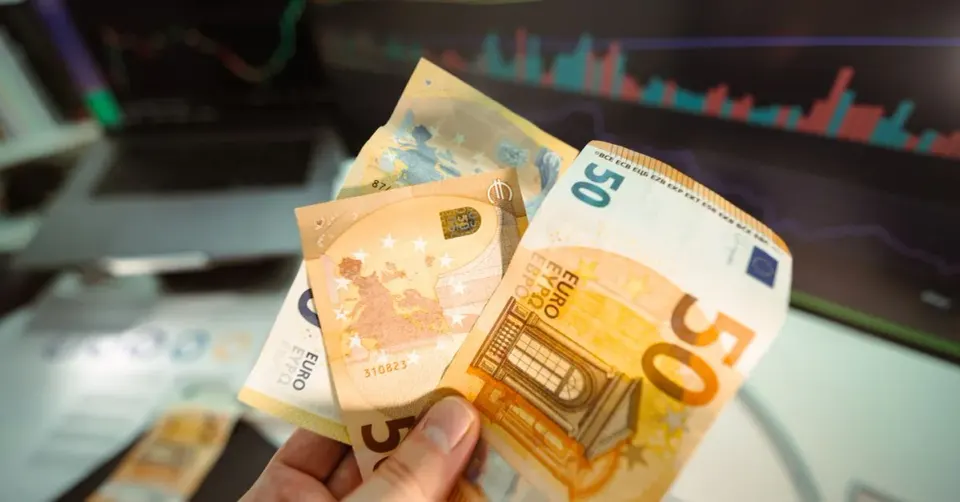
As of the evening session on Monday, September 7, 2026, the Iranian market is showing a rare moment of consolidation. The US Dollar (USD/IRR) has retreated from 226,700 to 224,600 Toman, marking a 0.9% decline over the last 24 hours. This cooling effect is even more pronounced in the precious metals sector. Gold 18k per gram dropped from 23,355,187 to 23,096,634 Toman (-1.1%), while the Emami coin saw a sharper correction of 2.1%, falling from 234,000,000 to 229,000,000 Toman.
This downward movement suggests a temporary easing of the panic-buying that characterized the previous week. However, the backdrop remains volatile. Globally, Bitcoin is struggling to maintain its footing near the $80,000 mark, currently trading at $79,209 as investors brace for upcoming U.S. inflation data. The interplay between a slightly stronger Toman and a cooling global gold price ($4,417.40/oz) has provided a much-needed breathing room for local consumers, though the underlying economic fundamentals remain under immense pressure from sanctions and regional instability.
---
The Bullish Case: Why Prices Could Surge Again
The primary driver for a potential rebound in USD and Gold prices remains the escalating geopolitical friction. While Brigadier General Kioumars Heidari recently claimed that a 'triangle of power' (the armed forces, leadership, and the people) has allowed Iran to overcome Western-imposed challenges, markets often view such rhetoric as a signal of impending tension rather than actual stability. If the conflict in Lebanon intensifies—following recent deadly Israeli strikes—the demand for 'safe-haven' assets like gold and hard currency will likely spike.
Furthermore, global energy markets are adding fuel to the fire. High crude oil and LNG prices are currently weighing heavily on regional economies like India, which is struggling with the fallout of the Iran-related trade disruptions. If global oil prices continue to climb due to supply chain bottlenecks in the Strait of Hormuz, the resulting inflationary pressure will inevitably bleed back into the Iranian market, pushing the Toman lower and driving the USD/IRR rate back toward previous highs.

---
The Bearish Case: The Path to Further Correction
On the flip side, there are concrete signs of regional economic pragmatism that could support the Toman. The recent meeting between the Iraqi consul general and the governor of Ilam Province highlights a concerted effort to boost border trade. Strengthening these non-dollar trade corridors provides the Iranian economy with vital liquidity that bypasses traditional banking restrictions. If these trade ties solidify, the immediate demand for physical USD in the open market could decrease, leading to a further correction toward the 220,000 level.
Additionally, the global 'rate watch' is keeping a lid on speculative assets. With the odds of a September Fed rate hike returning to 60% following strong U.S. jobs data, the global appetite for risk—and by extension, gold—is being tested. If the U.S. CPI data due later this week comes in higher than expected, we could see a broader sell-off in global gold and crypto, which would naturally pull down the price of gold coins in Tehran, regardless of local political rhetoric.
---
Nuanced View: Analysis and Opinion
In my view, the current 0.9% dip in the Dollar is not a reversal of the long-term trend, but rather a 'tactical retreat.' The market is currently digesting the heavy gains of the past month. The 'triangle of power' narrative pushed by state media serves a domestic political purpose, but it does little to address the structural 'hollowing out' of the economy—a phenomenon even British politicians are currently debating regarding their own nation's deindustrialization. For the Iranian reader, the reality is that the economy remains tethered to regional security developments.
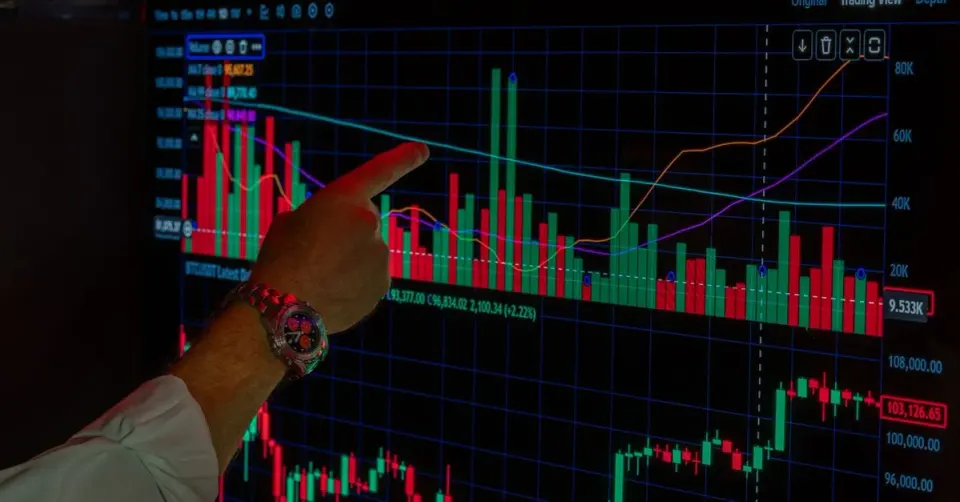
Investors should be wary of chasing the current dip. While the border trade initiatives with Iraq are a positive sign for local liquidity, they are often overshadowed by the massive freight and energy costs currently plaguing the region. The most likely scenario for the remainder of the week is range-bound trading. We expect the USD to oscillate between 223,000 and 227,000 as the market waits for a definitive signal from either the Lebanon front or the U.S. Federal Reserve. Uncertainty remains the only certainty.
Frequently Asked Questions
چرا قیمت سکه امامی بیشتر از دلار ریزش کرد؟
تاثیر نشست تجاری ایلام و عراق بر بازار ارز چیست؟
آیا سخنان سرتیپ حیدری درباره مثلث قدرت بر قیمتها اثر دارد؟
بازه نوسان دلار در روزهای آینده چقدر پیشبینی میشود؟
Parallel Exchange Rates and Informal Currency Markets
In economies grappling with capital controls, international sanctions, or persistent high inflation, the concept of Parallel Exchange Rates and Informal Currency Markets becomes profoundly important. Unlike a unified exchange rate where a single price for foreign currency prevails, a parallel market arises when there's a significant divergence between the official exchange rate set by the government or central bank, and the rate at which foreign currency is actually traded by individuals and businesses outside formal channels. This unofficial rate, often referred to as the black market rate, reflects the true supply and demand dynamics, unburdened by state intervention or artificial pegs.
The emergence of these markets is typically driven by several factors. Governments might impose strict capital controls to prevent capital flight, ration foreign currency to prioritize specific imports, or try to maintain an artificially strong national currency for political reasons. However, these measures often lead to a shortage of foreign currency in official channels. Consequently, individuals and businesses seeking to import goods, travel abroad, or simply protect their savings from inflation by converting them into stable foreign currencies (like the USD) or assets (like gold or even cryptocurrencies such as Bitcoin) are forced to turn to informal networks. Border trade, as highlighted in the keywords, often operates heavily within these parallel markets, where the official rate holds little sway.
For countries like Iran, which face extensive international sanctions, the informal currency market is not merely a fringe activity but often the dominant mechanism for international transactions and wealth preservation. The headline's mention of "Toman's Tactical Retreat" aptly describes how the national currency's value is constantly negotiated and redefined in these unofficial spheres, often far weaker than any officially declared rate. This dynamic creates significant challenges for economic planning, distorts price signals, and can lead to a dual economy where official statistics bear little resemblance to the economic realities faced by ordinary citizens and businesses. Understanding this parallel market is crucial for grasping the true economic pulse of such nations.
Topics
Related Articles