AI’s Power Hunger and Trump’s Tariff Hammer: A Week of High-Stakes Hedging
اشتهای سیریناپذیر هوش مصنوعی و پتک تعرفههای ترامپ: هفتهای برای پوشش ریسکهای بزرگ
As Bitcoin nears the $80,000 milestone and the Toman holds steady despite regional friction, the real market story shifted to the industrial backbone of AI and a looming trade war with Europe. We break down why industrial energy companies are the new gold mine and what Trump's 25% auto tariff means for your global purchasing power.
At time of publishing
USD
177,600
Toman
Gold 18K
20.03M
Toman / gram
Bitcoin
$78,222
US Dollar
Tether
17,567
Toman
The Industrial Backbone of the AI Revolution
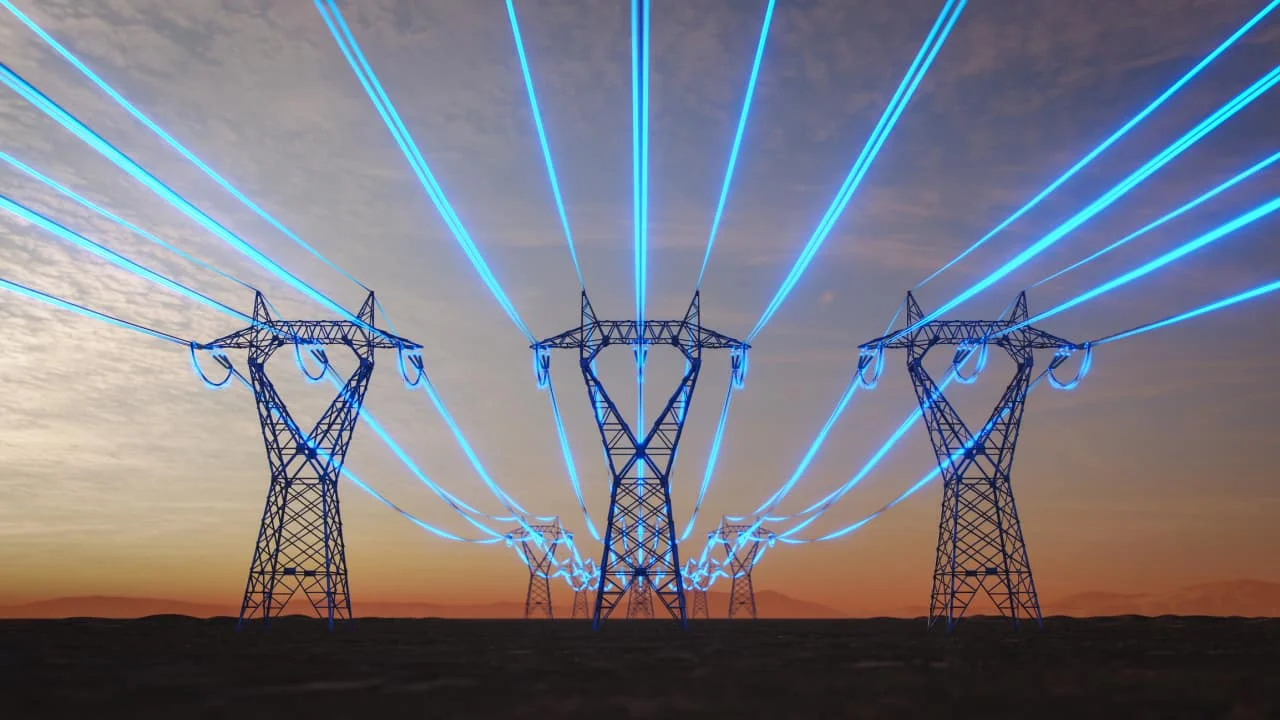
While the world has been obsessed with the latest generative AI apps and chatbots, the past week revealed a deeper, more profitable narrative: the race to power the machine. As highlighted by recent market analysis, the true winners of the current cycle aren't just the software developers, but the industrial giants keeping the lights on. Three major companies have emerged as the primary beneficiaries of AI’s insatiable energy needs, cashing in on the massive infrastructure upgrades required to support global data centers. This shift marks a transition from speculative tech hype to hard industrial reality, as investors realize that without a robust power grid, the AI dream remains grounded.
For the average investor, this means the 'boring' sectors of the market—utilities, electrical equipment, and cooling systems—are suddenly the most exciting places to be. This trend has provided a significant cushion for global equity markets, even as geopolitical tensions in the Middle East fluctuated. The realization that AI requires physical land, massive amounts of electricity, and sophisticated cooling has led to a re-evaluation of industrial stocks, which are now being hedged against more volatile tech plays. It is no longer just about who has the best algorithm, but who has the most reliable transformer and the largest power contract.
Trump’s 25% Tariff Threat and the Global Trade Shiver
The economic landscape took a sharp turn toward protectionism this Friday as Donald Trump announced plans to hike tariffs on European Union vehicles to 25%. This move, targeting the heart of the European industrial complex, is a response to what the administration calls 'non-compliance' with the 2025 trade deal. The impact was immediate, sparking political squabbles across the Atlantic and even affecting the domestic campaigns in the UK, where leaders are fighting over who can best protect local industries like Scotch whisky from the fallout of a renewed trade war. For the global consumer, this signals a potential return to high-inflation environments for imported goods, complicating the Federal Reserve’s path toward interest rate cuts.
This 'Tariff Hammer' isn't just about cars; it’s a signal of a broader shift in global trade dynamics that could strengthen the US Dollar in the short term while creating massive volatility in the Euro and Pound. As the USD/IRR rate in Tehran saw a modest 0.3% rise to 177,600 Toman, the underlying pressure from global trade uncertainty cannot be ignored. If these tariffs are implemented next week as threatened, we could see a 'beggar-thy-neighbor' policy environment that forces central banks worldwide to rethink their strategies, potentially driving more capital into safe-haven assets like gold and Bitcoin.

Gold, Bitcoin, and the 'Iran Optimism' Relief Rally
Closer to home, the week ended with a surprising sense of 'Iran optimism' that saw oil prices drop as traders parsed Tehran’s stance on ending regional hostilities. This cooling of energy prices provided a much-needed relief valve for global markets, allowing Bitcoin to take another aim at the $80,000 mark. BTC rose nearly 3% over the last 24 hours, closing the week at $78,222. In Tehran, the gold market reflected this global hedging sentiment; while the Emami coin remained flat at 203,000,000 Toman, 18k gold rose 0.8% to cross the 20 million Toman per gram threshold. This divergence suggests that while the currency is holding its ground, local investors are still aggressively using gold to protect against long-term inflationary risks.
Simultaneously, the Pentagon’s new deals with seven AI companies for classified systems—amid concerns over their use in the Iran conflict—shows that the intersection of technology and geopolitics is tighter than ever. The resilience of the Toman at the 177,000 level, despite the looming 'War Powers' deadlines in Washington, indicates that the market has priced in a significant amount of the current noise. However, with the US Department of Defense doubling down on AI integration, the 'digital arms race' is providing a secondary floor for crypto assets, as decentralized networks are increasingly seen as the only neutral ground in a world of state-controlled AI and trade barriers.
The Outlook: What to Watch Next Week
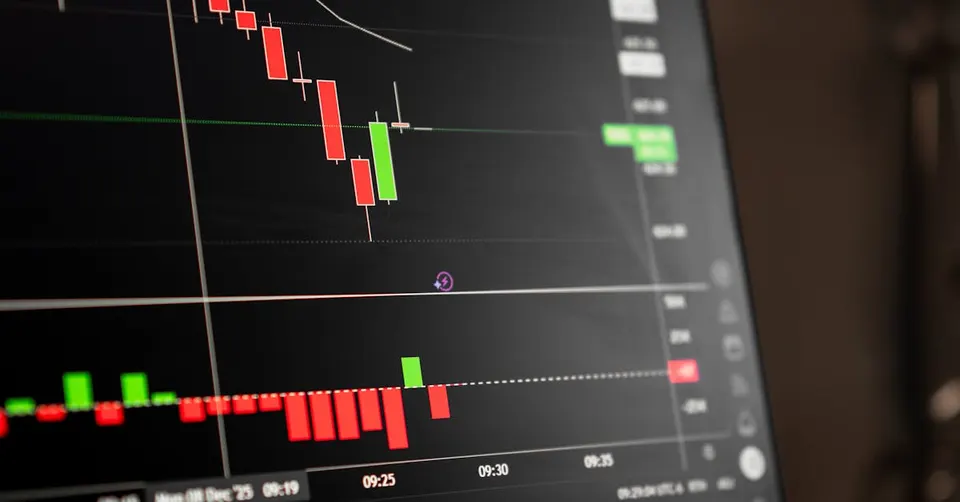
As we head into the first full week of May, all eyes will be on the implementation of the threatened EU auto tariffs. If the 25% levy goes live, expect a sharp reaction in the EUR/USD pair, which will inevitably ripple through to the Tehran market. Furthermore, the $80,000 level for Bitcoin remains the psychological 'final boss' for the current rally; a break above this could trigger a massive wave of FOMO (fear of missing out) among retail investors who have been waiting on the sidelines.
In the domestic market, keep a close watch on the 18k gold price. If it sustains its position above 20 million Toman per gram, it may signal a new floor for the Iranian precious metals market, regardless of what the USD/IRR rate does. The 'Iran optimism' in the oil markets is fragile; any shift in diplomatic rhetoric could send WTI crude back above $100, which would immediately translate into renewed pressure on the Toman. Stay hedged, stay informed, and watch the industrial backbone—not just the headlines.
Frequently Asked Questions
Why is 18k gold rising in Iran while the USD remains relatively stable?
How do Trump's proposed 25% tariffs on EU cars affect the Iranian market?
What is the connection between AI energy needs and my investment portfolio?
Will Bitcoin break the $80,000 resistance next week?
Understanding Hedging: How Investors Guard Against Market Volatility
Hedging is a risk‑management strategy that involves taking an offsetting position in a related security or contract to protect against adverse price movements. In practice, a trader who fears a decline in the U.S. dollar‑Iranian rial (IRR) exchange rate might buy a futures contract that gains value if the rial weakens, thereby neutralising the loss on the spot position. This principle applies across asset classes—currencies, commodities like gold, equities, and even emerging instruments such as Bitcoin.
There are several common hedging tools. Forward and futures contracts lock in a price for a future transaction, while options give the right, but not the obligation, to buy or sell at a predetermined strike price. Swaps allow parties to exchange cash flows, for example swapping a variable‑rate loan for a fixed‑rate one. Each instrument balances cost, flexibility, and the degree of protection it offers, and the choice depends on the investor’s exposure and risk tolerance.
In a world where geopolitical shocks—such as Trump‑era EU car tariffs or sudden AI‑driven energy demand spikes—can swing markets dramatically, hedging becomes a cornerstone of portfolio stewardship. For instance, a fund exposed to gold prices might hedge by taking short positions in gold futures when it anticipates a price dip due to a strengthening dollar. Similarly, cryptocurrency traders eyeing the $80,000 Bitcoin resistance level often use options to cap downside risk while preserving upside potential.
While hedging can reduce losses, it is not free. The cost of the hedge—premiums for options, margin requirements for futures—must be weighed against the expected benefit. Moreover, an overly aggressive hedge can erode returns if the anticipated adverse move never materialises. Successful hedgers continuously monitor market signals, such as oil price optimism in Iran or new Pentagon AI contracts, and adjust their positions to align with evolving risk landscapes.