Toman Strengthens Amidst Oil Volatility and Trump's Fund Block: A Week of Global Ripples
تومان در بحبوحه نوسانات نفتی و انسداد صندوق ترامپ تقویت شد: هفتهای پر از امواج جهانی
This past week saw the Toman strengthen against the dollar, while gold prices also dipped, driven by a complex interplay of global events. Volatility in oil markets, fueled by conflicting signals on a potential US-Iran deal, dominated headlines, alongside a significant US judicial ruling impacting former President Trump's financial initiatives. Readers should understand how these seemingly distant events directly influence local market dynamics and investment strategies.
At time of publishing
USD
175,750
Toman
Gold 18K
17.96M
Toman / gram
Bitcoin
$63,743
US Dollar
Tether
175,003
Toman
What Actually Happened: A Week of Shifting Sands
The past week concluded with notable shifts in key Iranian markets, largely influenced by a blend of domestic dynamics and significant global developments. The Iranian Toman displayed unexpected strength, with the USD/IRR exchange rate closing at 175,750 Toman, marking a 1.8% decrease for the dollar from its previous 178,900 Toman. Simultaneously, 18-karat gold experienced a modest dip, falling 1.3% from 18,189,667 Toman to 17,956,738 Toman per gram, while the Emami coin remained stable at 182,000,000 Toman. This local market resilience occurred against a backdrop of intense international news, particularly from the United States and the global energy sector.
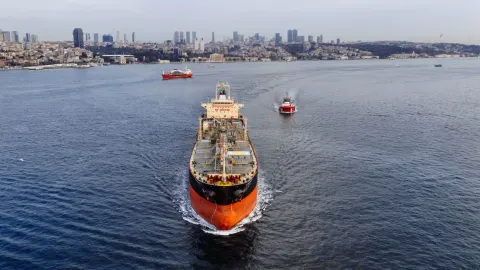
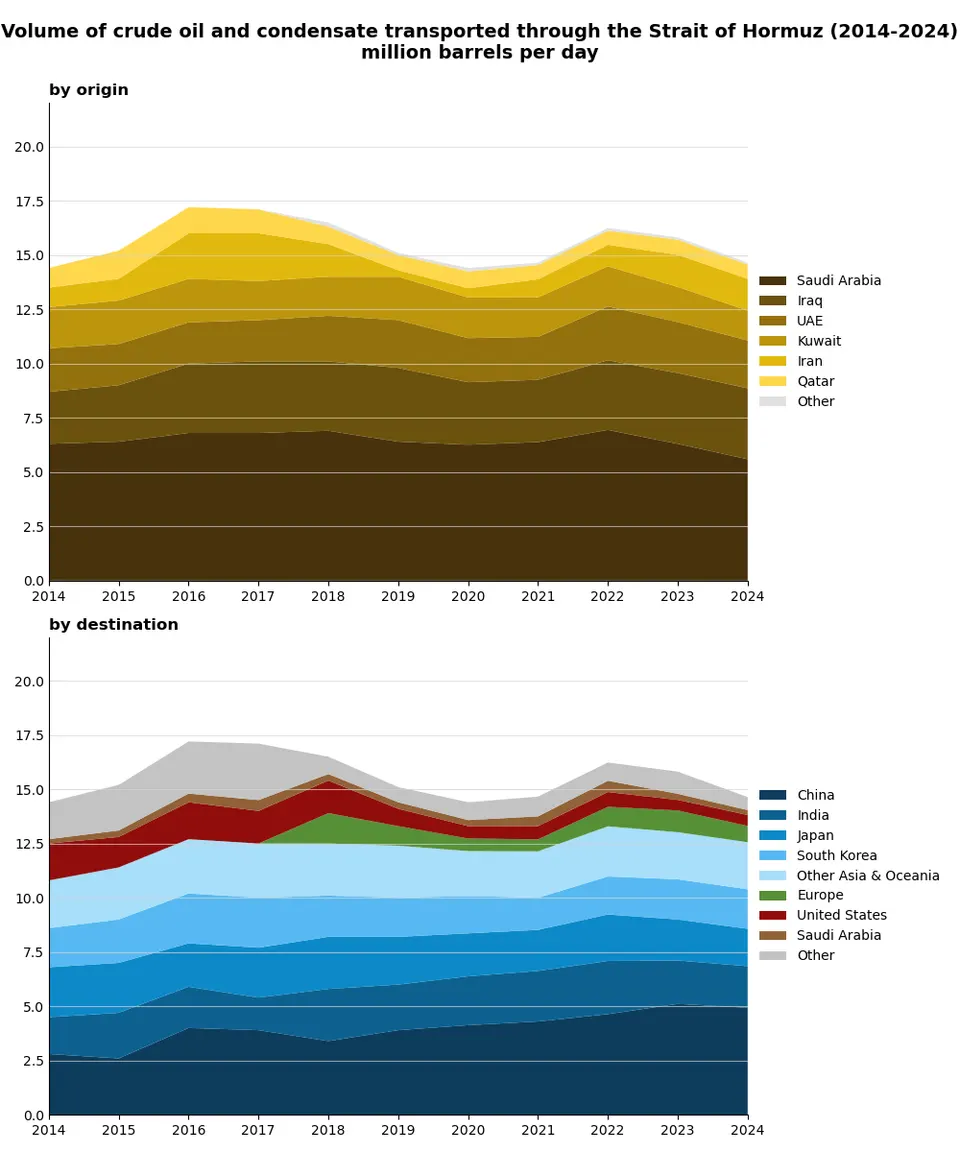
Globally, the week was defined by a "war of words" between Washington and Tehran, which sent Brent crude prices to a two-month low (news index 14). Conflicting statements regarding a potential US-Iran deal created significant market uncertainty and volatility. Adding to the energy narrative, US Energy Secretary Chris Wright revealed that the US military is actively assisting in moving approximately 7 million barrels per day (bpd) of oil out of the Persian Gulf, representing about half of the oil impacted by disruptions in the Strait of Hormuz (news index 3). This highlights the ongoing fragility of global energy supply lines and the critical role of geopolitical stability in oil markets. Meanwhile, US consumer sentiment saw an improvement in June, primarily due to easing gas prices, though overall sentiment remains historically low amid the ongoing Middle East conflict (news index 4).
Further adding to the week's complex narrative, a federal judge in Virginia extended a court-ordered block on former President Trump’s controversial $1.8 billion “anti-weaponization” fund (news indices 0, 1). This judicial intervention, stemming from Trump's lawsuit against the IRS and his claims of a "weaponized government," underscores the deep political divisions and ongoing legal battles within the United States. While seemingly a domestic US political affair, such developments can subtly influence global investor confidence and the perceived stability of US policy, potentially impacting the broader dollar sentiment even as Trump also sought to symbolically expunge his impeachments (news index 10).
Why This Matters: Local Impact of Global Currents
The Toman's strengthening and the slight dip in gold prices this week are critical for Iranian investors. While local factors always play a role, the broader global context cannot be ignored. The decline in Brent crude prices, even if temporary and driven by speculative optimism around a US-Iran deal, can alleviate some inflationary pressures over the long term, potentially reducing the domestic demand for hard currencies like the USD and traditional safe havens like gold. This dynamic can create a window of opportunity for local currency appreciation, albeit one that is highly sensitive to shifts in geopolitical rhetoric.
The volatility in oil prices and the explicit role of the US military in securing oil transit through the Persian Gulf directly impact Iran's economic outlook. As a major oil producer, Iran's revenues are intrinsically linked to global crude prices. Any disruption or perceived threat to the Strait of Hormuz has immediate repercussions for global energy markets, and consequently, for Iran's economy and its ability to engage in international trade. The US consumer sentiment, while distant, offers a barometer for global economic health; easing gas prices in the US could signal broader relief from energy-driven inflation, which in turn could influence global monetary policy and demand for commodities.
Moreover, the prolonged legal battles and political instability surrounding figures like former President Trump, exemplified by the block on his anti-weaponization fund, introduce an element of unpredictability into global financial markets. A less stable or more fragmented political landscape in a major global economy like the US can lead to a flight to safety in some regions, or conversely, a re-evaluation of the dollar's strength if confidence in its governance wanes. For Iranian investors, understanding these nuanced global shifts is crucial for making informed decisions, as they can indirectly affect everything from trade relations to the perceived risk of assets.
The Bigger Picture: Navigating Uncertainty
This week underscored the interconnectedness of global markets, demonstrating how a confluence of political, military, and economic narratives can create a complex and often contradictory environment. The immediate strengthening of the Toman, while positive, must be viewed through the lens of extreme volatility in the region's most crucial commodity: oil. The "war of words" surrounding a potential US-Iran deal, swiftly followed by revelations of military intervention to secure oil flows, highlights a market grappling with both hope for de-escalation and the stark reality of ongoing tensions.
The dollar's slight weakening against the Toman, contrasting with its typical role as a global safe haven, suggests that local market dynamics or a specific reduction in speculative demand within Iran might have outweighed broader global dollar strength indicators. This situation is further complicated by the fact that Bitcoin (63,743 USD) and Ethereum (1,668.02 USD), while showing no 24-hour delta, continue to trade at significant levels, largely carving their own path distinct from immediate geopolitical swings but still influenced by the broader macroeconomic currents of inflation and interest rates.
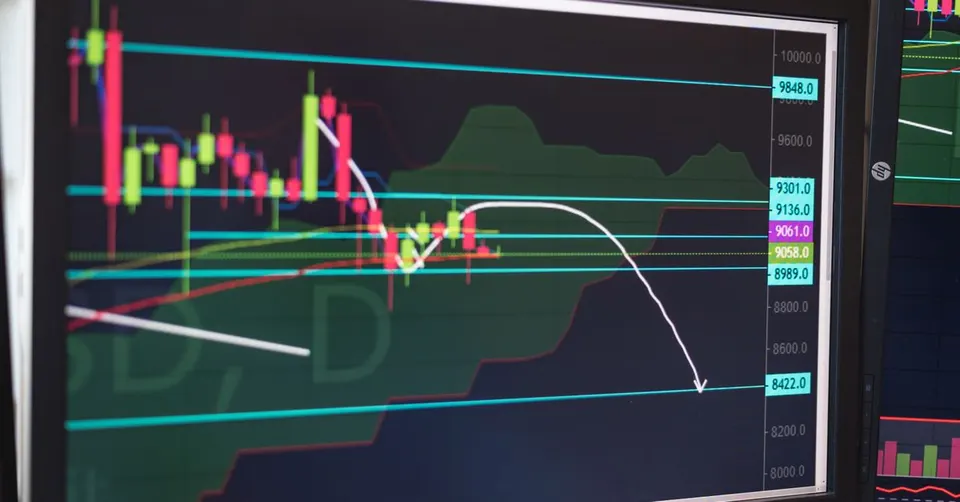
Ultimately, the dominant narrative remains one of persistent uncertainty. Investors are not just reacting to economic fundamentals but also to political rhetoric, judicial rulings, and military actions. The market is pricing in a continuous "geopolitical risk premium," especially concerning the Middle East and its critical energy arteries. Navigating this environment successfully requires a keen eye not only on price charts but also on the intricate dance of international diplomacy and domestic political developments in key global players.
Next Week's Watch List
As we head into the next week, several key areas warrant close attention. Domestically, continue to monitor the Toman's stability against major currencies and any shifts in gold and coin prices, as they will reflect ongoing market sentiment. Internationally, the primary focus will remain on any further developments regarding a potential US-Iran deal; even contradictory signals can trigger significant market reactions. Pay close attention to Brent crude oil prices and any news related to the Strait of Hormuz, as these are direct indicators of regional stability and global energy supply. Finally, keep an eye on US political developments, particularly any updates on the judicial block of Trump's fund, as these can subtly influence broader market confidence and the dollar's global standing.
Watch
JUST IN: US fires Hellfire missiles at vessel in Strait of Hormuz
Fox News
Frequently Asked Questions
Why did the Toman strengthen against the USD this week despite regional tensions?
How does the US judge's ruling on Trump's $1.8bn fund affect global markets?
What is the significance of the US military helping move 7 million bpd out of the Persian Gulf?
How do conflicting statements about a potential US-Iran deal impact oil prices?
What should Iranian investors watch for next week?
Economic Sanctions and Currency Valuation
Economic sanctions are punitive measures imposed by one or more countries against a target country, group, or individual. Their primary goal is often to coerce a change in policy or behavior by inflicting economic pain. These measures can take various forms, including trade embargoes, asset freezes, travel bans, and restrictions on financial transactions. By limiting a nation's access to international markets and financial systems, sanctions aim to disrupt its economy and reduce its capacity to generate foreign exchange.
The most direct and significant impact of economic sanctions on a country's currency is typically depreciation. When a nation is sanctioned, its ability to export goods and services – especially commodities like oil – is severely hampered. This reduces the inflow of foreign currency (like US dollars or Euros) that the country earns. With less foreign currency available, it becomes harder to import essential goods, service foreign debts, or for citizens to convert local currency into foreign currency. The reduced supply of foreign currency relative to domestic demand for it puts downward pressure on the local currency's value.
However, the relationship between sanctions and currency valuation can be complex and isn't always a straightforward depreciation. Governments of sanctioned countries might implement strict capital controls, force exporters to repatriate foreign earnings, or find alternative (sometimes illicit) trade routes and payment mechanisms to generate foreign exchange. Short-term market dynamics, such as speculation about potential sanctions relief or internal economic policies, can also lead to temporary strengthening of the local currency, as seen in the headline. Despite these complexities, the long-term effect of comprehensive sanctions is almost always a weakening of the national currency, accompanied by inflation and a flight to alternative assets like gold.
Oil, as a major source of foreign exchange for many nations, plays a critical role in this dynamic. Restrictions on a country's ability to sell its oil on international markets directly impact its foreign currency reserves, thereby intensifying the pressure on its national currency. The interplay between global oil prices, geopolitical tensions (like those in the Strait of Hormuz), and the imposition of sanctions creates a volatile environment where a currency's value can fluctuate dramatically.