The 2027 Energy Trap: Why the Toman Resists Diplomacy While Global Markets Brace for a Three-Year Storm
تله انرژی ۲۰۲۷؛ چرا تومان در برابر دیپلماسی مقاومت میکند و بازارهای جهانی آماده طوفانی سه ساله میشوند؟
As the EU warns of elevated energy prices through 2027, the global narrative has shifted from short-term volatility to long-term structural inflation. Despite a slight correction in gold, the Toman remains anchored at record highs as drone strikes on refineries and a hawkish new Fed Chair redefine the economic landscape.
At time of publishing
USD
179,600
Toman
Gold 18K
19.66M
Toman / gram
Bitcoin
$76,869
US Dollar
Tether
17,664
Toman
The Three-Year Energy Warning and the Toman's Resistance
The dominant narrative of this week was the sudden realization that the global energy crisis is not a passing cloud but a multi-year storm. On Friday, EU Economy Commissioner Valdis Dombrovskis delivered a sobering message from Cyprus, stating that oil and gas prices are now expected to remain elevated through at least the end of 2027. This shift in the European outlook has profound implications for Iranian markets. It suggests that the inflationary pressure driven by energy costs will continue to provide a high floor for the US Dollar, even if local diplomatic efforts suggest a temporary 'cooling off' period. In Tehran, this translated into a persistent demand for hard currency, keeping the USD/IRR exchange rate remarkably stable at its upper bounds.
While consumers in the West might see occasional relief—such as the massive price cuts on high-end electronics like the LG 77-inch B5 OLED, which dropped to $1,500 this week—these are isolated consumer trends that mask a harsher industrial reality. The gap between falling consumer goods prices and rising essential energy costs is widening. For the Iranian reader, this means that while global tech might become cheaper in dollar terms, the cost of importing those goods will remain high because the Toman is fighting a losing battle against a globally strengthened Greenback. The USD rose slightly this week from 179,500 to 179,600 (+0.1%), signaling that the market is currently ignoring the 'diplomatic discount' in favor of macro-economic reality.
Refineries in Flames and the Diplomacy Mirage
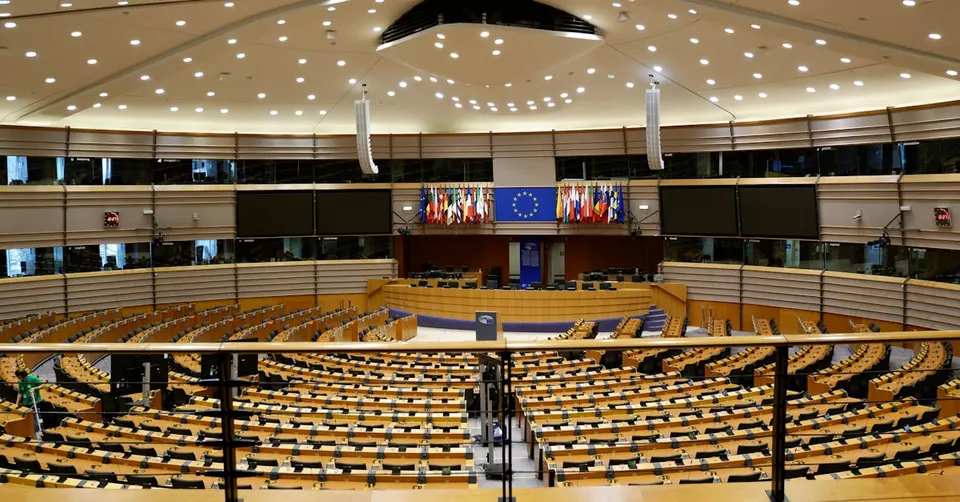
The geopolitical tension reached a boiling point mid-week as Ukraine escalated its campaign against Russian energy infrastructure. The drone strike on the 300,000-bpd Yaroslavl refinery was more than just a military event; it was a market signal that supply chains remain incredibly fragile. When refineries burn, the risk premium on oil doesn't just go up—it stays up. This has created a paradoxical situation for Iran. While higher oil prices theoretically benefit the national budget, the increased regional risk associated with the 'Hormuz Red Zone' and the potential for wider conflict has kept the Toman under immense pressure. Investors are choosing the safety of hard assets over the hope of a breakthrough in US-Iran talks.
Speaking of talks, the skepticism surrounding a potential peace deal was palpable this week. Despite headlines suggesting progress, oil prices rose as investors voiced doubts about any immediate breakthrough. This 'diplomacy mirage' has led to a stagnation in the Tehran coin market. The Emami coin remained flat at 192,000,000 Toman, showing that the market is neither buying the optimism of peace nor panicking further. It is a state of suspended animation. The passing of cultural icons like Judith Chalmers, who represented a simpler era of global travel and openness, serves as a poignant reminder that the 'old script' of international relations is being rewritten by drone warfare and energy blockades.
The Fed's New Captain and the Crypto Correction
On the global stage, the swearing-in of Kevin Warsh as the new Federal Reserve Chair has sent shockwaves through the risk-asset markets. President Trump’s criticism of the outgoing Jerome Powell as 'distracted' signals a shift toward a more aggressive, perhaps more political, central bank. Warsh is widely viewed as a hawk who will prioritize the Dollar's dominance. This expectation immediately hit the crypto and gold markets. Bitcoin, which had been flirting with higher levels, fell back under $77,000 to close the week at $76,869 as capital rotated into the Dow Jones, which hit new all-time highs. This 'Warsh Effect' suggests that the era of easy liquidity might be facing a strategic pivot.
In Tehran, gold followed the global lead but with a local twist. Gold 18k/gram saw a correction, dropping from 19,788,540 to 19,658,571 (-0.7%). This was not a sign of weakness but rather a healthy profit-taking move after weeks of vertical growth. As Andy Burnham recently noted in the UK, politics needs a 'new script,' and the financial markets are currently writing one where the US Dollar is the protagonist and everything else—from Bitcoin to the Toman—is a supporting character struggling for airtime. For the week ahead, keep a close eye on the $4,500 level for gold; if it holds, the long-term bullish trend remains intact despite the short-term noise.

Frequently Asked Questions
Why is the EU's 2027 energy warning significant for the Iranian market?
Why did the price of gold in Tehran decrease by 0.7% this week?
How do drone strikes on Russian refineries affect the Toman?
What should we expect from Bitcoin next week after falling below $77k?
Understanding Exchange‑Rate Pass‑Through and Its Impact on Prices
Exchange‑rate pass‑through (ERPT) describes how movements in a country’s currency value affect domestic prices of imported goods and services. When a currency depreciates, imported items become more expensive in local terms, and firms may raise prices to protect profit margins. The degree of pass‑through varies: high ERPT means most of the exchange‑rate change shows up in consumer prices, while low ERPT indicates that other factors—such as subsidies, price controls, or market competition—absorb the shock.
In economies that rely heavily on imported energy and precious metals, like Iran, ERPT can quickly translate a weaker toman into higher gasoline, diesel, and gold prices. A sharp depreciation of the rial in 2026‑2027, amplified by sanctions and regional supply disruptions (e.g., the Ukraine drone strike on a refinery), would raise the local cost of oil imports and gold, feeding directly into inflation. This explains why analysts watch the toman‑USD rate alongside global energy forecasts when projecting Iran’s inflation outlook.
ERPT also matters for asset markets. A weaker local currency can make Bitcoin and other foreign‑denominated assets appear cheaper, spurring speculative inflows that may later trigger price corrections. Conversely, higher import prices can erode real wages, reducing demand for such assets. Policymakers therefore monitor ERPT to decide whether to intervene in foreign‑exchange markets, adjust interest rates, or use fiscal tools to cushion households.
The magnitude of pass‑through depends on market openness, the share of imports in the consumption basket, and the credibility of monetary policy. Countries with flexible exchange rates and strong inflation‑targeting frameworks often experience lower ERPT because expectations are anchored. In contrast, economies with rigid price controls or limited monetary independence, like Iran, tend to see a higher pass‑through, making exchange‑rate volatility a key driver of inflation.
Understanding ERPT helps investors, businesses, and citizens anticipate how currency swings will affect everyday costs—from the price of a liter of gasoline in Tehran to the price of gold on the local market—and informs better decision‑making in a world where energy shocks and geopolitical risks are increasingly intertwined.