Toman Tumbles as IAEA Talks Stall; Gold Shines Amid Global Heatwaves
ریال در پی توقف مذاکرات آژانس سقوط کرد؛ طلا در میان موج گرما جهانی میدرخشد
This past week saw the Iranian Toman face renewed downward pressure as official statements indicated no immediate plans for IAEA inspector visits, fueling currency market anxieties. Meanwhile, global markets grappled with extreme heatwaves across Europe and the US, impacting economic forecasts, while gold offered a familiar safe-haven allure.
At time of publishing
USD
158,700
Toman
Gold 18K
15.95M
Toman / gram
Bitcoin
$62,913
US Dollar
Tether
160,666
Toman
What Actually Happened This Week
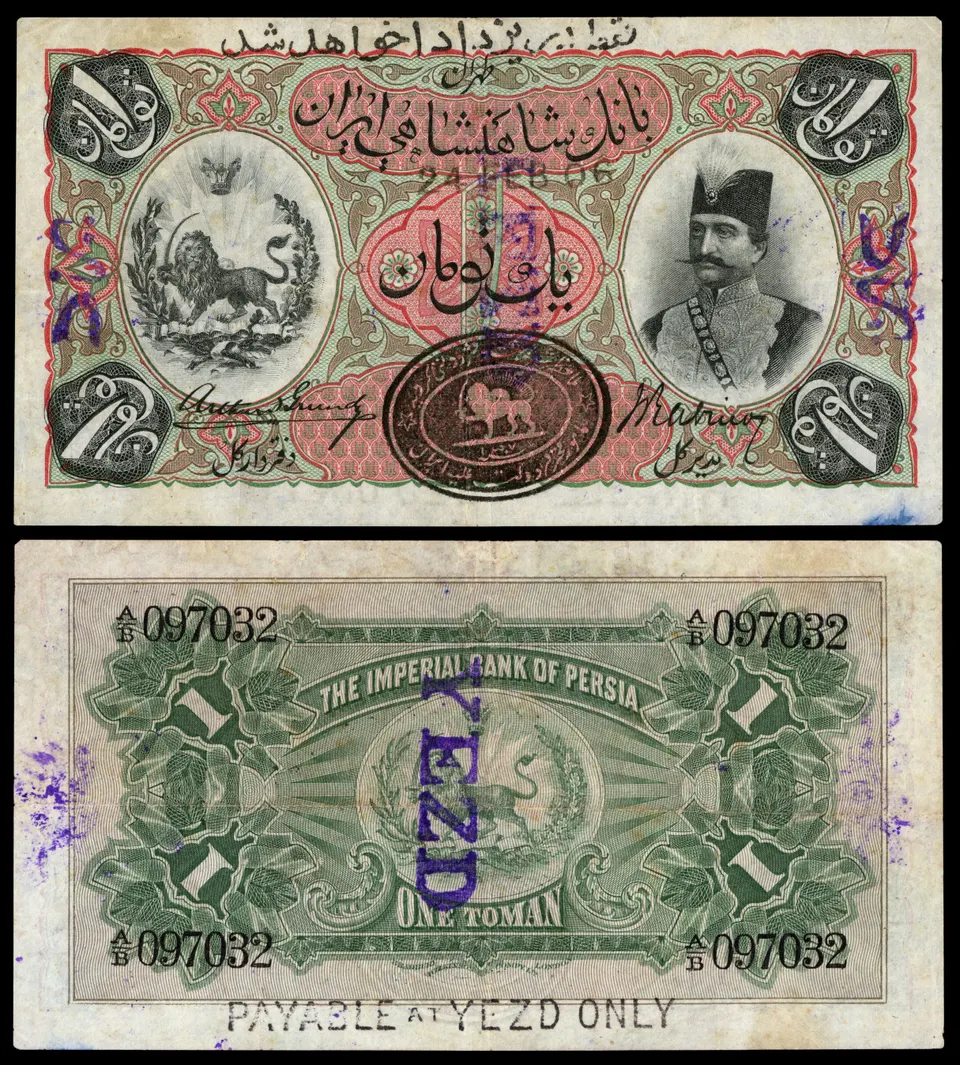
The Iranian Toman experienced significant volatility this week, closing Friday at 158,700 to the US dollar, a notable increase from its starting point, reflecting underlying economic and geopolitical tensions. The primary driver for currency market jitters appears to be a statement from the Foreign Ministry spokesperson indicating no immediate plans to invite IAEA inspectors for visits, effectively stalling potential diplomatic progress on the nuclear front. This development, coupled with ongoing sanctions concerns, has weighed heavily on the Toman, impacting import costs and overall economic confidence.
In contrast, the gold market, both domestically and internationally, demonstrated resilience. While the 18-karat gold gram saw a slight dip of 0.2% to 15,948,335 Toman, the Emami coin remained stable at 160,500,000 Toman, indicating a steady demand for the precious metal as a store of value. Globally, gold prices hovered around $4,156.70 per ounce, benefiting from a general risk-off sentiment driven by extreme weather events and geopolitical uncertainties. The world witnessed severe heatwaves across Europe and parts of the US, prompting economic adjustments and raising concerns about agricultural output and energy demand. For instance, Heathrow's potential third runway GDP yield was revised down significantly, suggesting a less optimistic economic outlook from large infrastructure projects.
---
Why This Matters: Geopolitics, Heat, and Market Sentiment
The Foreign Ministry's assertion regarding the IAEA inspectors directly impacts Iran's international standing and its economic trajectory. A lack of engagement on the nuclear front can prolong sanctions or even lead to new ones, directly affecting the Toman's stability and import capabilities. This creates a challenging environment for businesses reliant on international trade and for individuals whose savings are denominated in the local currency. The spokesperson's statement, emphasizing adherence to previous MoU commitments before further talks, highlights a strategic stance but offers little immediate comfort to markets anticipating diplomatic breakthroughs.
Globally, the extreme heatwaves are not just a meteorological event; they are becoming an economic factor. France is grappling with its second premature heatwave, leading to school schedule changes and potential curbs on nuclear power production due to high river temperatures. This underscores the growing impact of climate change on economic activity, from infrastructure projects like Heathrow's runway to energy supply and agricultural yields. Such disruptions contribute to a general sense of uncertainty, which often benefits safe-haven assets like gold, while potentially dampening appetite for riskier investments. The mention of Andrew Tate losing significant amounts on Bitcoin trading also points to the inherent volatility in the crypto space, a stark contrast to gold's traditional stability.
---
The Bigger Picture: Sanctions, Climate, and Tech's Double Edge
The interplay between geopolitical developments and economic outcomes is particularly acute for Iran. The stalemate on IAEA inspections, framed by demands for full implementation of prior agreements (news indices [4], [6]), directly influences the potential for sanctions relief and, consequently, the Toman's future. While the US official report of an Israel-Hezbollah ceasefire (news index [5]) offers a glimmer of regional de-escalation, the core issues surrounding Iran's nuclear program and its international relations remain central to its economic narrative. The statement by Foreign Minister Araghchi on US MoU violations (news index [3]) further illustrates the complex diplomatic tightrope Iran walks.
On the technology front, the US government's ban on certain Anthropic AI models (news index [20]), ostensibly for national security, raises questions about innovation and market access. While framed as a security measure, such actions can inadvertently bolster a brand by creating a narrative of resilience, as cybersecurity researchers have noted the same vulnerabilities exist in other models. This highlights the complex, often contradictory, nature of technological regulation and its potential market impacts. Investors are also watching corporate actions, such as a CEO selling shares in Live Oak Bancshares (news index [22]), which can signal shifts in market confidence. The broad economic implications, like the revised GDP yield for Heathrow's runway (news index [2]), serve as a constant reminder that even large-scale projects face uncertain economic returns in a rapidly changing global landscape.
---
Outlook for Next Week
All eyes will be on any further diplomatic signals from Tehran regarding the IAEA and the broader US-Iran MoU. Any hint of renewed engagement could stabilize the Toman, while continued silence or firm stances will likely see further downward pressure. Global markets will remain sensitive to climate developments, particularly in Europe and North America, as they could influence energy prices and agricultural markets. Investors should also monitor any shifts in central bank policies globally, especially in the context of persistent inflation concerns, which could impact appetite for both riskier assets and safe havens. The crypto market, as evidenced by the Andrew Tate example, remains a high-stakes arena for speculative trading.
Closing Prices (Friday, June 19, 2026 - 21:00 Tehran Time): * USD sell: 158,700 * Emami coin: 160,500,000 * BTC: $62,913 * ETH: $1,696.61
Frequently Asked Questions
What was the main reason for the Toman's decline this week?
How did global heatwaves affect markets?
What is the outlook for the Iranian Toman next week?
Were there any significant developments in the tech sector relevant to Iran?
Geopolitical Risk and its Impact on Currencies and Safe-Haven Assets
Geopolitical risk refers to the potential for political instability, international tensions, or policy uncertainty to disrupt global markets and economic activity. These risks can stem from various sources, including conflicts, trade wars, elections, or, as highlighted by the stalled IAEA talks concerning Iran's nuclear program, diplomatic impasses with significant international ramifications. Such events create an environment of unpredictability, prompting investors and businesses to re-evaluate their positions and future plans, often leading to a ripple effect across financial markets.
When geopolitical tensions escalate, a country's currency is often among the first assets to feel the pressure. Increased uncertainty can lead to capital flight, where investors withdraw funds from the affected nation, seeking safer havens elsewhere. This outflow reduces demand for the local currency, causing its value to depreciate against major international currencies like the US Dollar. The headline's mention of the "Toman Tumbles" and the "USD/IRR" exchange rate directly illustrates this phenomenon, as a weakening Toman reflects investor concern over Iran's economic and political stability in the face of ongoing nuclear negotiations.
Conversely, periods of heightened geopolitical risk often see a surge in demand for "safe-haven assets." These are investments that are expected to retain or even increase in value during market turbulence. Gold is the quintessential safe haven, revered for its historical role as a store of value, its perceived intrinsic worth, and its lack of correlation with other riskier assets like stocks or bonds. When the future seems uncertain, investors flock to gold, driving up its price, which explains why "Gold Shines" in times of global heatwaves (metaphorically for geopolitical and economic stress) and stalled international talks. Understanding this dynamic is crucial for comprehending how political events translate into tangible economic outcomes worldwide.