Trump’s Cairo Overture vs. The Hormuz Blockade: A Week of High-Stakes Market Schizophrenia
از چراغ سبز ترامپ در قاهره تا تهدید به انسداد هرمز: هفتهای میان دیپلماسی و درگیری
As rumored diplomatic backchannels in Cairo suggest a desperate Trump seeking a deal, the reality in the Strait of Hormuz remains explosive with 15 vessel attacks reported. Gold has surged 2.3% this week, acting as the primary hedge against regional volatility while the Toman maintains a fragile, artificial stability.
At time of publishing
USD
186,700
Toman
Gold 18K
18.96M
Toman / gram
Bitcoin
$64,539
US Dollar
Tether
186,867
Toman
The Cairo Overture: Desperation or Deception?
The narrative of the past week has been defined by a jarring contrast between diplomatic whispers and military reality. According to reports from the Iranian Interests Section in Cairo, the Trump administration—the same entity that previously dismantled the nuclear accord—is now allegedly "begging" for a new deal in 2026. This claim, while originating from state-affiliated sources, points to a growing fatigue within the White House as the conflict with Iran drags on without a clear exit strategy. For the average Iranian reader, this represents a potential pivot point; any credible move toward a deal would typically trigger a massive correction in the USD/IRR rate. However, the market’s reaction this week suggests a deep-seated skepticism. The US dollar only dipped slightly to 186,700 Toman (-0.2%), indicating that traders are no longer pricing in "rumors" of peace without concrete action.
This diplomatic backdrop is further complicated by Trump's domestic struggles. A US appeals court recently halted his $400 million White House ballroom project, a symbolic blow to his administration's perceived unilateral power. While seemingly unrelated to Tehran, these domestic legal hurdles often force the US executive branch to seek "foreign policy wins" to distract a restless electorate. For Iran, this could mean either a sudden diplomatic breakthrough or a dangerous escalation to project strength. Investors are currently betting on the latter, as evidenced by the flight to safety in the gold markets.

The Hormuz Chokepoint: A Permanent Blockade?
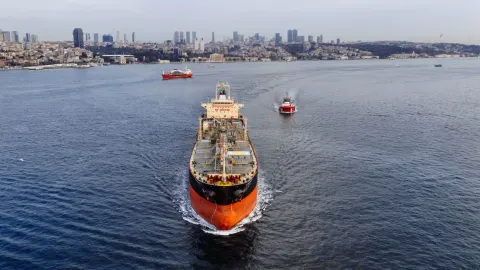
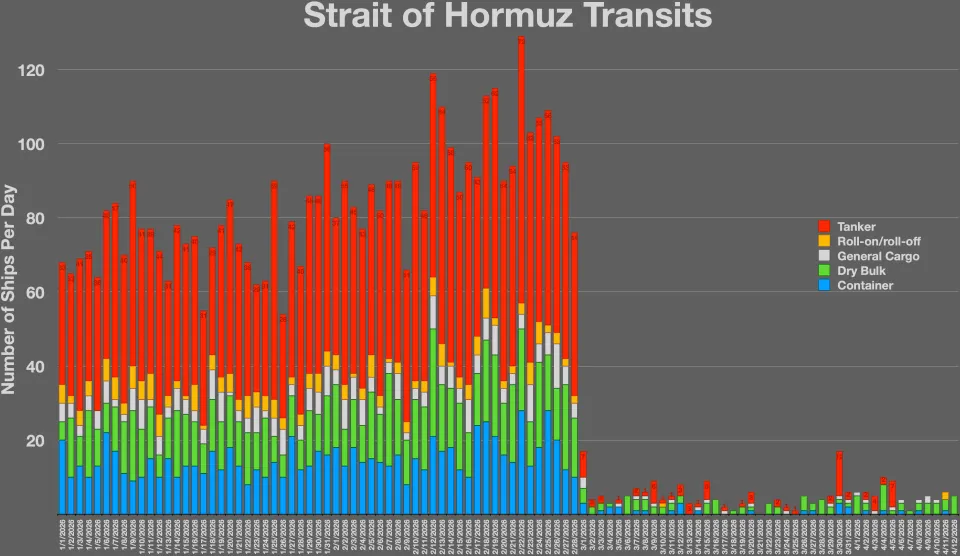
While politicians talk in Cairo, the situation in the Persian Gulf has reached a fever pitch. The Abu Dhabi National Oil Company (ADNOC) reported this Friday that 15 of its vessels have been targeted by missiles or drones since the current regional war expanded. This is not just a statistic; it is a fundamental threat to the global energy supply chain. The Iranian Parliament is reportedly reviewing a bill to permanently ban "hostile" vessels—specifically those from the US and Israel—from transiting the Strait of Hormuz. This "Hormuz Schizophrenia," as some analysts call it, has kept oil markets on edge. On one hand, Trump claims a deal is within reach; on the other, the physical infrastructure of the oil trade is under literal fire.
Saudi Arabia’s response to this risk has been both expensive and telling. The Kingdom is now rerouting crude through a complex path involving the Red Sea, Egyptian pipelines, and the Cape of Good Hope. This "detour" adds roughly $5 per barrel to the cost of delivery. For the Iranian economy, which is already struggling under the weight of sanctions and internal mismanagement, a permanent closure of the Strait would be a double-edged sword. While it would spike global prices, it would also invite unprecedented international military pressure on Iranian shores. The market is currently pricing in this "risk premium," which is why Gold 18k rose significantly to 18,957,477 Toman per gram (+2.3%) despite the Toman holding steady against the dollar.
Gold Surges as Crypto and Toman Stall
The closing figures of the week tell a story of internal hedging. While the US Dollar sell rate experienced a minor 0.2% drop to 186,700 Toman, Gold 18k surged by 2.3% in the same 24-hour window. This divergence is rare and reflects a global rally in the gold ounce, which has hit a staggering $4,337.60. Iranian investors are clearly prioritizing gold over currency, fearing that the current "calm" in the Toman is merely a byproduct of central bank intervention rather than economic health. Emami coins remained flat at 185,000,000 Toman, suggesting that the "bubble" in the coin market is currently being absorbed by the rising value of the underlying raw gold.
In the digital asset space, Bitcoin has struggled to maintain momentum, closing the week around $64,539. The primary narrative in crypto is one of regulatory gridlock. The failure of the CLARITY Act to pass in the US Senate has dampened hopes for a clear legal framework for stablecoins and banking integration. For Iranian crypto users, who often use USDT as a bridge to global markets, the USDT/Toman rate at 186,867 remains the most accurate barometer of real-market sentiment, sitting slightly above the official "free market" dollar rate. As we look toward next week, the primary triggers to watch will be the official response from Washington regarding the Cairo rumors and any further kinetic activity in the Strait of Hormuz. If the blockade rhetoric turns into legislative action in Tehran, expect the Toman’s fragile stability to shatter.
Outlook for Next Week
- Hormuz Legislation: Watch the Iranian Parliament for any formal movement on the shipping ban bill; this is the #1 risk factor for oil and gold. - US Domestic Politics: Trump's reaction to the ballroom project halt and the war's progress will dictate whether he doubles down on diplomacy or aggression. - EAEU Trade: Follow the Russian PM's promises regarding the Eurasian Economic Union; if trade with China and Iran through this channel scales, it could provide a minor liquidity cushion for the Toman.
Frequently Asked Questions
Why did gold rise 2.3% while the US dollar fell in Iran?
Is the rumor of Trump 'begging' for a deal in Cairo credible?
How does the potential permanent blockade of the Strait of Hormuz affect the Toman?
Why is Bitcoin stalling around the $64,000 mark?
The Geopolitical Risk Premium in Commodity Markets
Geopolitical risk refers to the potential for political instability, conflict, or policy shifts in one region to have significant economic consequences globally. When such risks emerge, particularly in critical areas, markets often price in an additional cost to reflect this uncertainty—a phenomenon known as the geopolitical risk premium. The Strait of Hormuz, for instance, is a vital chokepoint for a substantial portion of the world's oil supply. Any threat to its free passage immediately sends ripples across global energy markets, creating this premium.
Threats or actual disruptions, such as vessel attacks or blockade rumors in key oil-producing or transit regions, directly impact commodity prices, most notably crude oil. This premium isn't merely about immediate supply shortages; it encompasses fears of future disruptions, the vulnerability of global supply chains, and the potential for broader regional conflicts. Speculative trading further amplifies these movements, as investors and traders factor in the heightened probability of supply shocks and bet on future price increases.
During periods of elevated geopolitical tension, investors typically seek refuge in what are known as safe-haven assets. These are assets perceived to retain or even increase in value during market turbulence, offering a hedge against uncertainty and potential inflation. Gold is a prime example; its price often surges as investors divest from riskier assets like stocks or certain currencies, flocking to gold as a store of value. This flight to safety is a direct reflection of heightened geopolitical risk, as capital seeks to preserve itself amidst global instability.
The implications of a geopolitical risk premium extend beyond just commodity prices. Increased energy costs can lead to higher inflation, impact manufacturing, and dampen overall economic growth globally. In response, nations and corporations may explore alternative supply routes, diversify their energy sources, or invest in strategic reserves to mitigate these vulnerabilities. However, the fundamental exposure to geopolitical events in critical regions remains a persistent factor in global economic stability and market dynamics.