Balkan Arrests and Nuclear Pivots: A Week of Shifting Geopolitical Sands as Gold Holds the Line
بازداشت در بالکان و چرخش هستهای؛ هفته جابهجایی مهرههای ژئوپلیتیک و پیشتازی طلا در بازار تهران
While the Toman remained remarkably stable with a minor 0.1% dip, gold prices continued to climb as global tensions flared. From the arrest of a top Kremlin blogger in Montenegro to Armenia’s strategic nuclear return to Moscow, the week’s narrative was dominated by shifting alliances and institutional shocks.
At time of publishing
USD
267,300
Toman
Gold 18K
26.48M
Toman / gram
Bitcoin
$82,577
US Dollar
Tether
266,925
Toman
The Toman’s Quiet Resilience and Gold’s Shine
The week ending Friday, October 9, 2026, was a study in contrasts for the Iranian market. Despite the heavy geopolitical noise echoing from both the Caucasus and the Balkans, the US Dollar in Tehran showed surprising composure. The greenback closed the week at 267,300 Tomans, marking a slight 0.1% decrease from its previous reference of 267,700. This stability suggests that local market participants have, for now, priced in the current level of regional tension, or perhaps are waiting for a more definitive catalyst before making a major move.
However, the real story of the week belonged to gold. While the Emami coin remained flat at 270,000,000 Tomans, 18-karat gold rose by 0.7%, climbing from 26,305,461 to 26,483,217 Tomans per gram. This upward trajectory is a direct reflection of the global gold ounce, which has reached a staggering $4,192.90. For Iranian investors, gold remains the ultimate hedge against a global landscape that feels increasingly unpredictable. The divergence between the steady dollar and rising gold indicates that while the local currency is holding its ground, the appetite for safe-haven assets is far from satiated.
The Balkan Catch and Russian Influence
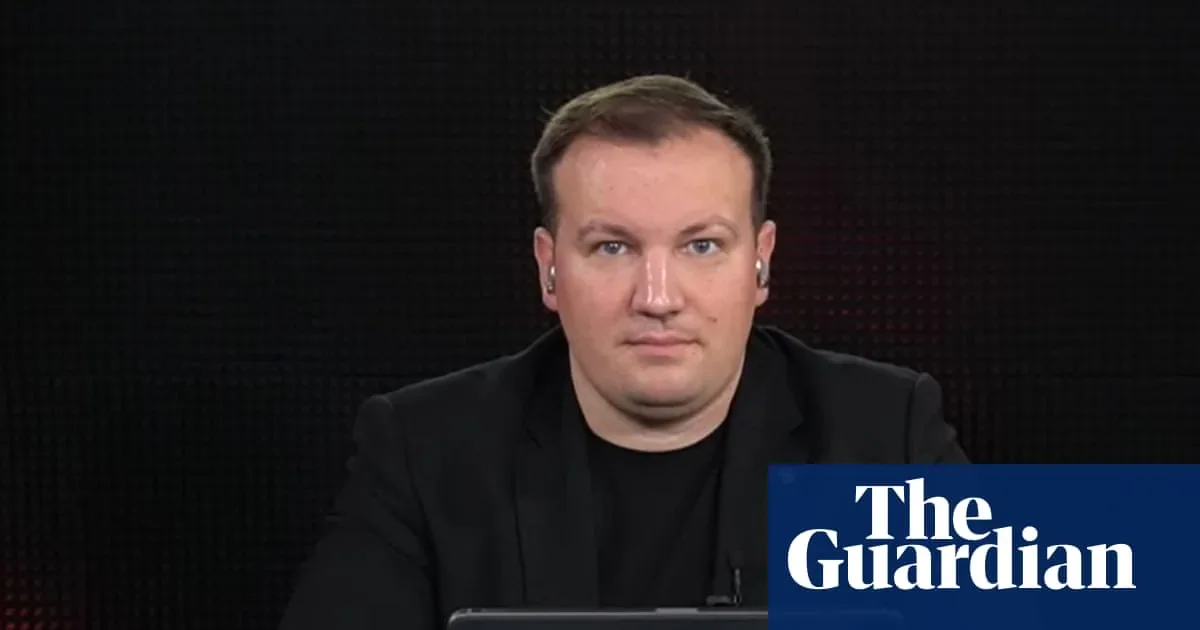
One of the most significant geopolitical developments this week occurred far from Tehran but with deep implications for the global information war. Mikhail Zvinchuk, the founder of the influential pro-Kremlin military blog 'Rybar,' was arrested in Montenegro. Known for his close ties to Russian intelligence, Zvinchuk’s detention in the Adriatic resort of Risan marks a major blow to Moscow’s hybrid warfare capabilities in the Balkans. Officials in Montenegro had been warning of attempts to destabilize the country, and this arrest serves as a concrete manifestation of the West's tightening grip on Russian influence networks.
For markets, this event signals a heightened state of alert in Eastern Europe and the Balkans. When high-profile information assets like Zvinchuk are neutralized, it often precedes a shift in tactical maneuvers on the ground. For Iranian readers, this is a reminder that the 'shadow war' of sanctions and intelligence is reaching new heights of intensity, which indirectly maintains the risk premium on global commodities and energy routes. The arrest of such a figure suggests that the era of 'plausible deniability' for state-sponsored digital influence is rapidly closing.

Armenia’s Nuclear Pivot and Regional Energy
Closer to home, the regional balance of power saw a major shift as Armenian Prime Minister Nikol Pashinyan performed what analysts are calling a 'nuclear U-turn.' After months of flirting with Western energy deals, Armenia has reportedly suspended its nuclear cooperation with the United States in favor of a deal with Russia’s Rosatom. This move ensures that Moscow will build Armenia’s next-generation reactor, effectively anchoring Yerevan back into the Kremlin’s energy orbit. This decision comes as a response to intense Russian pressure and signals that despite Pashinyan’s EU aspirations, the reality of regional energy security remains firmly tied to Moscow.
This pivot has direct consequences for the Caucasus' economic landscape. By securing its energy future through Russia, Armenia is signaling a retreat from the Western integration path that had previously worried Moscow. For Iran, a stable but Russia-aligned Armenia means a continuation of the status quo in the North, but it also highlights the limitations of Western influence in the immediate neighborhood. As energy becomes the primary tool of diplomacy, these nuclear deals act as long-term anchors that will dictate regional policy for decades to age.
Institutional Shocks and the Future of Risk
On the global stage, two stories highlighted the shifting norms of governance and finance. In the United States, the Pentagon announced the unprecedented decision to livestream a firing squad execution, a move that has sparked intense legal and ethical debate. While seemingly unrelated to finance, such shifts in institutional behavior often correlate with broader changes in social and political risk appetite. Meanwhile, a debate is brewing over the future of Social Security, with proposals to tax stocks and employee benefits to prevent insolvency. This suggests that the US fiscal landscape is heading toward a period of significant structural reform, which could have long-term implications for the strength of the US Dollar.
In the crypto world, Bitcoin continues to consolidate near the $82,577 mark. Despite reports of hardware wallet exploits and a general sense of unease following the Ledger security scare, the market has shown resilience. Wealthy investors are increasingly embracing digital assets, even as their traditional advisers remain skeptical. This 'institutional disconnect' is a key theme to watch; as the gap between retail demand and professional caution narrows, we may see the next major leg of the crypto bull market. For now, the focus remains on whether Bitcoin can flip the $83,000 resistance into support as we head into next week.
---
The Week Ahead: What to Watch
As we move into the third week of October, several key factors will dictate the market's pulse. First, keep a close eye on the fallout from the Rybar arrest; any Russian retaliation in the digital or physical sphere could trigger a spike in volatility. Second, the energy markets will be watching the Atlantic hurricane season closely, as any disruption to fuel supplies could send oil prices—and by extension, the global gold ounce—even higher. Locally, the Toman’s ability to stay within the 265,000 to 270,000 range will be the primary indicator of domestic stability. If gold continues its breakout, expect more liquidity to shift from traditional savings into the precious metal market.
Frequently Asked Questions
چرا قیمت طلا در بازار ایران علیرغم ثبات دلار افزایش یافت؟
بازداشت میخائیل زوینچوک چه اهمیتی برای بازارهای مالی دارد؟
چرخش هستهای ارمنستان به سمت روسیه چه تاثیری بر ایران دارد؟
آیا اخبار هک لجر میتواند باعث سقوط بیتکوین شود؟
Why Gold Remains a Safe‑Haven Asset in Turbulent Times
Gold has been called “the ultimate safe‑haven” for centuries, and its reputation is rooted in three core qualities: scarcity, durability, and universal acceptance. Unlike paper currencies that can be printed at will, the total amount of mined gold is limited, giving it intrinsic value that is hard to dilute. Its physical properties—resistance to corrosion and the fact that it does not degrade over time—make it a reliable store of wealth across generations.
When geopolitical tensions flare, such as the recent arrests in the Balkans, nuclear negotiations in the Caucasus, or sanctions that tighten around Iran, investors often scramble for assets that are insulated from political risk. Gold’s price tends to rise as confidence in fiat currencies wanes, because it is priced in U.S. dollars but can be bought and held in any jurisdiction. This decoupling from any single nation’s monetary policy explains why gold “holds the line” even when stock markets tumble or currencies like the Iranian rial experience sharp devaluation.
Gold also offers a hedge against inflation and currency depreciation. In economies where the official exchange rate diverges sharply from the market rate—e.g., the USD/IRR at 1,405—the real purchasing power of local money erodes quickly. By converting a portion of savings into gold, households preserve wealth in a medium that historically retains its value during hyperinflationary episodes, as seen in Zimbabwe or the Weimar Republic.
However, gold is not a risk‑free investment. Its price can be volatile in the short term, influenced by interest‑rate expectations, real‑interest yields, and speculative flows, such as the recent surge in Bitcoin prices that competes for “store‑of‑value” status. Savvy investors therefore allocate only a modest slice of their portfolio to gold, using it to balance exposure to equities, bonds, and newer digital assets.
In practice, the decision to buy physical gold, exchange‑traded funds (ETFs), or mining stocks depends on personal risk tolerance, tax considerations, and access to secure storage. Understanding why gold behaves the way it does helps investors navigate periods of uncertainty and protect their wealth against the shifting sands of geopolitics.