
Gold Surges and Bitcoin Defies 'Economic D-Day' as Global Legal Bills and Drone Strikes Shake Markets
جهش طلا و ایستادگی بیتکوین در برابر «دی-دی اقتصادی»؛ هفتهای پر از جریمههای سنگین و سایه پهپادها
A week of high-stakes decoupling saw Tehran's gold market jump 2.6% while the Toman held steady against a backdrop of global legal drama and shifting strategic alliances. From Prince Harry's $13 million legal bill to Ukrainian drones hitting refineries deep in Russia, the narrative was one of escalating costs and calculated risks.
At time of publishing
USD
190,600
Toman
Gold 18K
20.48M
Toman / gram
Bitcoin
$77,458
US Dollar
Tether
188,599
Toman
The Golden Hedge in a Week of Rhetoric
The dominant narrative in Tehran this week was one of anticipation and tactical hedging. Despite the ominous 'Economic D-Day' rhetoric floating through geopolitical circles, the domestic currency market showed surprising restraint. The US Dollar (sell) settled at 190,600 Toman, a marginal -0.1% decrease from the previous day's close of 190,700. This relative stability suggests that the market had already priced in much of the immediate sanction anxiety, or perhaps that traders are waiting for a more concrete trigger before making their next move.
However, the real story wasn't in the currency booths, but in the gold shops. Gold 18k per gram surged from 19,954,753 to 20,483,401 Toman, a significant 2.6% jump in just 24 hours. This move reflects a classic flight to safety. When Iranian investors feel the heat of international pressure, they don't just buy dollars anymore; they buy gold. The Emami coin remained flat at 199,500,000 Toman, indicating that while the raw material is being hoarded, the premium on minted coins has reached a temporary ceiling, perhaps due to the sheer lack of liquidity among retail buyers at these historic price levels.
Global Legal Drama and Strategic Realignment
Beyond the borders of Iran, the week was defined by the 'high cost of losing.' In a landmark privacy case, Prince Harry and other high-profile figures like Elton John were ordered to pay an initial $13 million (£9.54 million) to the publisher of the Daily Mail, with the final bill potentially exceeding $34 million. This story resonated globally as a reminder that the legal landscape for privacy and media is shifting, creating massive financial liabilities for even the most powerful individuals. It underscores a broader theme we saw this week: the era of 'cheap' conflict—legal or otherwise—is over.
Simultaneously, the geopolitical map is being redrawn in Central Asia. Analysts are increasingly pointing to Uzbekistan as America's next strategic anchor in the region. Situated between Russia, China, and Iran, Uzbekistan's opening economy represents a pivot point for trade routes that bypass traditional sanctioned corridors. For the Iranian market, this is a development to watch closely; as neighbors integrate more deeply with global markets, the isolation of the Iranian economy becomes more pronounced, potentially impacting long-term transit and energy cooperation agreements that the government in Tehran often claims are 'thriving' without providing transparent data.
Energy Volatility and the 'Not-QE' Crypto Rally
Energy markets were jolted this Friday by reports of a Ukrainian drone strike on a Lukoil refinery in the Perm region, more than 1,600 kilometers from the border. This strike, hitting deep into Russian territory, signals a new phase of the conflict where energy infrastructure is no longer safe regardless of distance. For oil-dependent economies, this adds a permanent 'risk premium' to crude prices. While the Iranian government continues to seek ways to bypass sanctions, these global disruptions create a volatile environment where even 'black market' oil becomes harder to insure and transport.

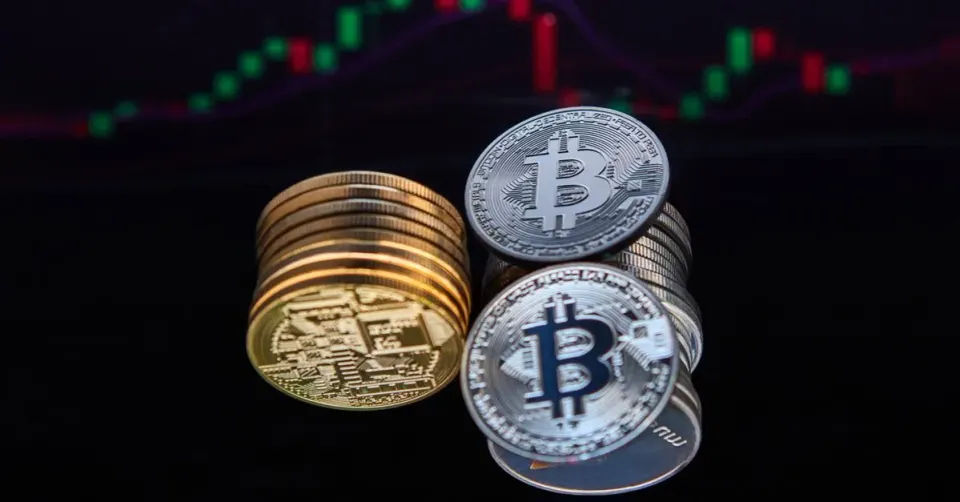
In the digital asset space, Bitcoin continued its defiant march, reaching $77,458. The narrative here has shifted from pure speculation to what some call the 'Not-QE' trade. US Treasury bond buybacks have injected liquidity into the system in a way that mimics quantitative easing without the official label. This has fueled a rally in crypto stocks and miners, with Bitcoin ETFs seeing their biggest inflows since May. For the Iranian crypto enthusiast, the USDT price of 188,599 Toman remains the primary gateway, tracking slightly below the physical dollar rate, suggesting a healthy but cautious demand for digital liquidity.
The Week Ahead: What to Watch
As we move into the final week of August, the focus will remain on the implementation of the 'Economic D-Day' threats. If the rhetoric translates into actual naval movements in the Strait of Hormuz or new banking restrictions, expect the USD/IRR parity to finally break its 190,000 resistance. Additionally, the situation in Ukraine and its impact on Russian refinery capacity will keep oil traders on edge, which indirectly influences the Toman's strength through the regional energy balance.
Readers should also keep an eye on the US Federal Reserve's upcoming signals. Any hint that the 'Not-QE' liquidity might be pulled back could trigger a sharp correction in Bitcoin, which has become a primary vehicle for Iranian capital flight. For now, gold remains the safest harbor in a storm that shows no signs of dissipating. Watch the 20.5 million Toman level for 18k gold; a clean break above that could signal a new wave of domestic inflation expectations.

Frequently Asked Questions
Why did gold rise while the USD/IRR remained relatively stable this week?
How does Uzbekistan's strategic shift affect the Iranian economy?
What is the 'Not-QE' trade mentioned in relation to Bitcoin's rally?
What are the implications of the $13M legal bill for Prince Harry and Associated Newspapers?
How International Sanctions Trigger Currency Devaluation: The Iranian Rial Case
International sanctions are more than diplomatic statements; they are powerful economic tools that can reshape a country’s entire financial system. When a major economy or a coalition restricts a target nation’s access to foreign capital, trade, and technology, the immediate effect is a squeeze on foreign‑currency inflows. In Iran’s case, U.S. secondary‑sanctions on the oil sector and the banking system have dramatically reduced the ability of Iranian firms to earn or repatriate U.S. dollars, creating a chronic shortage of hard currency.
A shortage of dollars forces the domestic currency to lose value because the market price of the local unit must rise to balance the limited supply of foreign exchange. This process is called currency devaluation. In practice, the official exchange rate set by the Central Bank often diverges sharply from the market (or “free”) rate, as seen in the dual USD/IRR and USD/Toman quotations that traders quote in Tehran’s black market. The gap widens whenever new sanctions are announced—an event sometimes dubbed an “Economic D‑Day”—because market participants anticipate tighter liquidity and bid up the price of dollars.
Devaluation has a cascade of effects. First, imported goods become more expensive, feeding inflation and eroding real wages. Second, it fuels a flight to safe‑haven assets such as gold, which has surged in Iran as investors seek to preserve wealth in a currency‑stable store of value. Third, it can spur the adoption of alternative payment systems, including cryptocurrencies like Bitcoin, whose price often spikes when the local currency is under pressure. Understanding the mechanics of sanctions‑driven devaluation helps explain why gold and Bitcoin have both rallied amid Iran’s latest round of U.S. sanctions.
Policymakers can try to mitigate devaluation by tightening monetary policy, building foreign‑exchange reserves, or seeking new trade partners. However, without a lift in sanctions, the fundamental imbalance—limited hard‑currency inflows versus persistent demand for imports—remains. The Iranian experience illustrates a broader lesson: sanctions are not just political tools; they are catalysts for profound currency and market disruptions.