Energy Shocks and Sanction Walls: Why the Toman is Holding its Breath at 201,500
شوک گازی و دیوارهای تحریم؛ چرا دلار روی مرز ۲۰۱ هزار تومان حبس نفس کرده است؟
As Qatar extends its LNG force majeure due to the Hormuz crisis, global energy prices are surging, yet the Toman remains locked in a tense equilibrium. We analyze a week where 'toughest ever' sanctions met a market that had already priced in the worst-case scenario.
At time of publishing
USD
201,500
Toman
Gold 18K
21.56M
Toman / gram
Bitcoin
$77,897
US Dollar
Tether
200,690
Toman
The Energy Deadlock and the Hormuz Factor
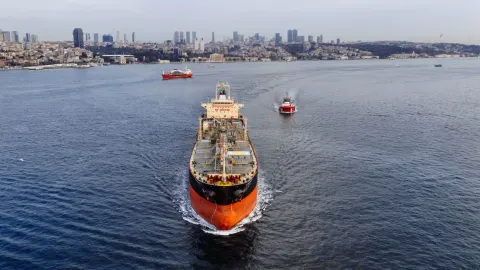
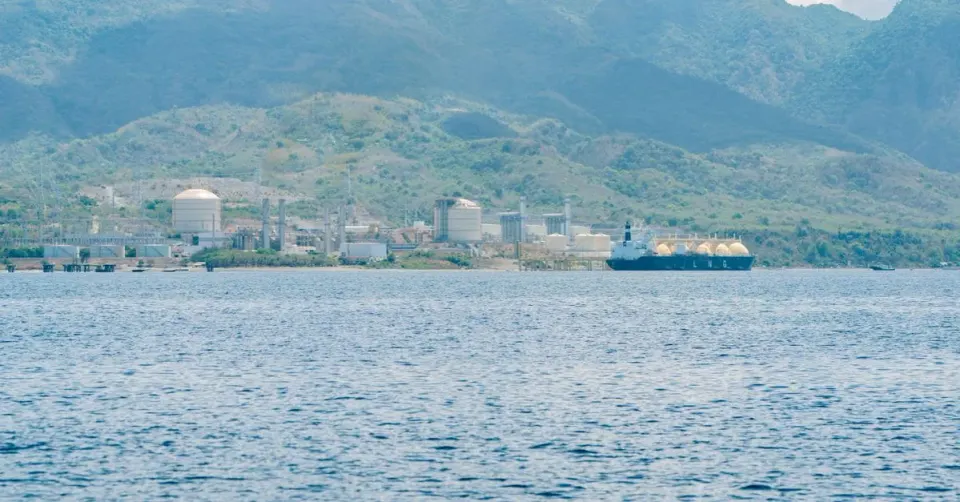
The narrative of the past week was dominated by a deepening energy crisis that has effectively decoupled from traditional supply-demand metrics. Qatar’s decision on Friday to extend its 'force majeure' on LNG deliveries into November sent shockwaves through Asian and European markets, with spot prices hitting four-year highs. This isn't just a logistical hiccup; it is a direct consequence of the ongoing volatility in the Strait of Hormuz. For the Iranian reader, this means the regional conflict has evolved into a global energy tax, keeping Brent oil pinned near $90 despite a flurry of diplomatic attempts to de-escalate.
What surprised many observers was the market's reaction to the Trump administration’s announcement of the 'toughest sanctions in history' against Iranian oil. Instead of a vertical price spike, the market shrugged. This 'shrug' suggests that the global economy has already adjusted to the reality of restricted Iranian flows, or perhaps more cynically, that the enforcement of such sanctions is viewed as secondary to the physical safety of shipping lanes. The on-and-off nature of Hormuz transits remains the primary volatility driver, leaving the Iranian economy in a state of high-altitude stagnation.
The 'Warsh Twist' and Global Macro Pressure
Away from the Persian Gulf, the eyes of the financial world were fixed on Jackson Hole, where Kevin Warsh delivered a speech that could redefine the coming months. Warsh’s hawkish tone—signaling that the Federal Reserve still has 'work to do' if inflation doesn't cool—has provided a floor for the US Dollar Index (DXY). This global dollar strength creates an invisible ceiling for the Toman. Even if local demand for currency were to dip, the rising cost of the dollar globally makes imports via third-party hubs like Dubai increasingly expensive for Iranian merchants.
Furthermore, the macro environment is being squeezed by a $40 trillion US national debt that Warsh notably avoided discussing. This omission has led to a 'wait and see' attitude among institutional investors. For Iranians, this translates to a lack of liquidity in the open market. The USD/IRR rate closed the week at 201,500, showing a 0.0% change in the last 24 hours. This flatline isn't a sign of stability, but rather a sign of a market that is paralyzed by the scale of the geopolitical and macroeconomic risks surrounding it.
Crypto Milestones and the Gold Retreat
In the digital asset space, the week brought a significant milestone for Solana. The Bitwise Solana Staking ETF (BSOL) officially crossed the $1 billion mark in assets under management. This is a historic moment for the 'Ethereum killer,' proving that institutional appetite for diversified crypto exposure remains ravenous despite the broader market's choppy waters. Bitcoin, meanwhile, is maintaining its grip on the $77,897 level, acting as a digital safe haven for those looking to bypass the traditional banking friction exacerbated by the new sanctions regime.
On the local front, gold 18k saw a slight retreat, closing at 21,561,475 Toman per gram, a -0.7% decrease over the last 24 hours. This minor dip likely reflects a brief moment of profit-taking after weeks of record-breaking highs. Emami coins remained unchanged at 216,000,000 Toman. Looking ahead to next week, the primary watchpoints will be the actual implementation of the new US sanctions and any further developments in the Qatar-mediated talks. If the 'force majeure' in the energy sector continues to expand, we may see the Toman’s artificial floor finally give way to new volatility.
Frequently Asked Questions
Why didn't the 'toughest sanctions in history' cause the Toman to crash immediately?
How does Qatar's LNG force majeure affect the average Iranian household?
What is the 'Warsh Twist' and why does it matter for local gold prices?
How International Sanctions Impact a Currency’s Exchange Rate
International economic sanctions are coercive tools that restrict a target country’s access to foreign capital, technology, and trade. When a nation like Iran faces broad‑based sanctions on its oil exports, banking sector, and even cryptocurrency transactions, the flow of hard foreign currency into the domestic market dries up. This scarcity forces the central bank to rely on dwindling reserves to meet import payments, creating immediate pressure on the local currency’s value.
The mechanism linking sanctions to exchange‑rate depreciation operates through several channels. First, reduced export earnings—especially from oil and gas—cut the supply of foreign dollars and euros that normally support the rial or toman. Second, investors and firms anticipate further restrictions, prompting capital flight and a surge in demand for safe‑haven assets such as the US dollar or gold. Third, the heightened perceived risk raises the country‑risk premium, meaning market participants require a higher return to hold the domestic currency, which translates into a steeper depreciation.
In Iran’s case, the cumulative effect has been a rapid slide of the toman toward the 200,000 per US $ mark that analysts flagged in August 2026. The loss of Qatar‑supplied LNG under a force‑majeure clause, combined with renewed US sanctions on Iranian oil, stripped a vital source of foreign exchange. As a result, the official exchange rate and the parallel market rate diverged sharply, with the latter often trading at a premium that reflects the scarcity of hard currency.
Policymakers can try to blunt the shock by diversifying export baskets, building sovereign wealth reserves, or negotiating limited waivers for humanitarian trade. However, without a broader easing of sanctions, the underlying dynamics—reduced foreign‑currency inflows and heightened risk premia—tend to keep the domestic currency under persistent downward pressure.