Russia’s $118 Billion Arctic Oil Bet and the $80K Bitcoin Milestone: A Week of High-Stakes Resilience
قمار ۱۱۸ میلیارد دلاری روسیه در قطب و عبور بیتکوین از مرز ۸۰ هزار دلار: هفتهای برای داراییهای سخت
While Tehran’s currency markets maintained a fragile stability, the global stage was dominated by Russia's massive energy gamble and Bitcoin's historic climb. From the icy Arctic oil fields to the high-yield traps of Wall Street, investors are witnessing a massive shift toward energy security and decentralized assets.
At time of publishing
USD
228,700
Toman
Gold 18K
23.46M
Toman / gram
Bitcoin
$80,725
US Dollar
Tether
228,511.303
Toman
The Arctic Gamble: Russia’s $118 Billion Defiance
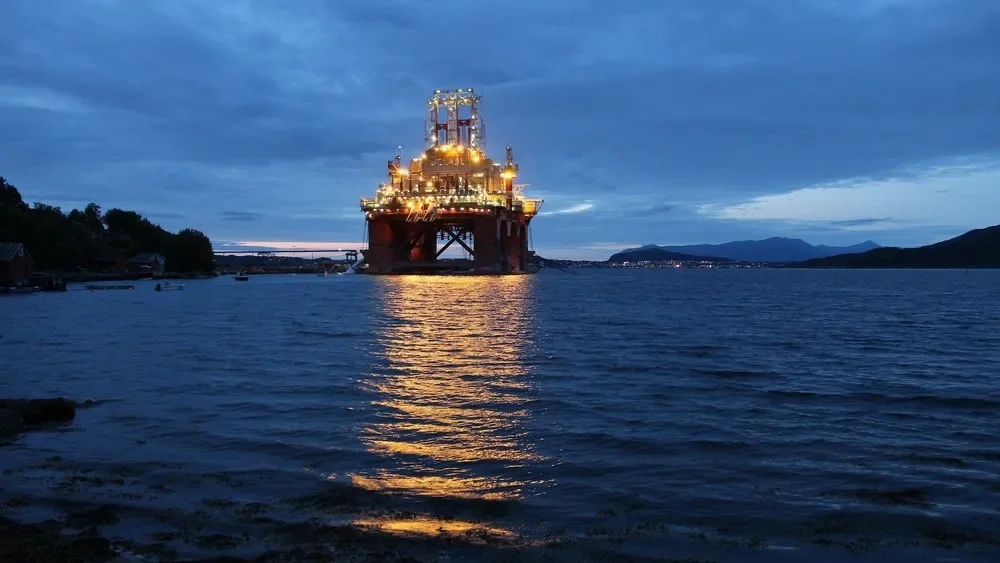
The dominant narrative this week wasn't found on a trading screen in Tehran, but in the frigid landscape of the Far North. Russia, led by Rosneft’s Igor Sechin, has doubled down on its Vostok Oil project, a staggering $118 billion investment aimed at securing Russia's energy future despite crushing Western sanctions. This move is more than just an industrial project; it is a geopolitical statement. By pushing ahead with the development of Arctic reserves as more accessible fields deplete, the Kremlin is signaling that it can maintain its status as a global energy superpower without Western technology or capital. For Iranian observers, this strategy of 'sanction-proofing' heavy industry resonates deeply, though the scale of the Russian commitment highlights the massive capital requirements of the modern energy war.
This Arctic expansion comes at a time when global energy infrastructure is being remapped. Simultaneously, we saw TotalEnergies and BlackRock ink a $1.8 billion deal for African oil and gas assets. This partnership between a French energy giant and the world’s largest asset manager suggests that despite the global push for a green transition, the appetite for traditional hydrocarbons remains insatiable among the world's financial elite. The message for the markets is clear: energy security is currently trumping environmental idealism, and those who control the flow of oil and gas will continue to dictate the terms of global inflation and currency strength in the years to come.

Tehran’s Fragile Calm and the Golden Hedge
Domestically, the Iranian market spent the week in a state of suspended animation. The US Dollar (USD) closed the week at 228,700 Toman, showing a 0.0% change over the last 24 hours. This lack of movement suggests a temporary equilibrium where market participants are waiting for the next major geopolitical catalyst rather than reacting to daily headlines. However, beneath this surface-level calm, the demand for 'hard' assets remains robust. Gold 18k rose slightly to 23,459,070 Toman per gram (+0.4%), tracking the global strength of the metal which sits at a formidable $4,387.80 per ounce.
The Emami coin remained pinned at 232,000,000 Toman, but the underlying sentiment is one of caution. While the government and state media platforms like IRNA continue to promote a narrative of a 'multipolar economic order' and resilience against Washington’s 'hive-mind' diplomacy, the average investor is clearly looking for safety. The slight uptick in gold prices, even as the dollar remained flat, indicates that Iranians are increasingly using precious metals as a shield against potential regional escalations and the long-term erosion of purchasing power. In a week where volatility was low, the silent accumulation of gold spoke volumes about the public's lack of confidence in the long-term stability of fiat currency.

Crypto’s New Floor and the High-Yield Mirage
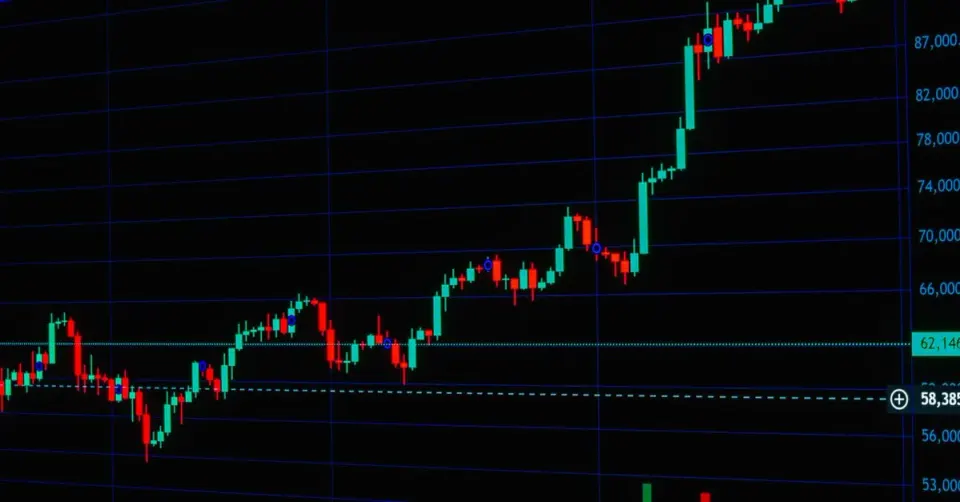
In the digital realm, Bitcoin (BTC) provided the week’s most explosive headline, reclaiming and holding the $80,000 level to close at $80,725. This rally was fueled in part by rising US bond yields and a general flight to decentralized assets as global oil woes deepened. The $80k mark is no longer just a psychological barrier; it is becoming a fundamental floor for the leading cryptocurrency. For the Iranian crypto community, which has faced increasing scrutiny from international regulators and the 'toll booth' sanctions mentioned earlier this week, Bitcoin’s resilience offers a glimmer of hope for cross-border value preservation that exists outside the traditional banking system.
However, the week also served as a warning for those chasing easy returns. Wall Street has seen a surge in 'autocallable' ETFs promising yields as high as 17.5%. While these numbers are eye-watering, analysts warn that they come with significant equity risk—essentially acting as a bond-like instrument that can collapse if the underlying stocks underperform. This mirrors the broader market theme of the week: in an era of high inflation and geopolitical strife, there is no such thing as a free lunch. Whether it’s billionaires wasting millions on 'immortality' treatments or retail investors falling for high-yield traps, the lesson remains the same: focus on the fundamentals of energy, gold, and proven digital assets.
The Week Ahead: What to Watch
As we move into next week, the primary focus will remain on the Strait of Hormuz and the potential for further maritime disruptions, which could send oil prices—and by extension, the USD/IRR pair—into a new volatility phase. Investors should also keep a close eye on the US 30-year bond yields; if they continue to rise, we may see further pressure on traditional equities but continued support for Bitcoin. In Tehran, watch the 228,000 Toman level for the Dollar; a break above or below this psychological support will likely set the tone for the remainder of the month. Finally, keep an eye on any further developments in the Russia-Arctic saga, as any sign of technical failure or increased sanctions pressure could ripple through global energy markets and impact the inflation outlook for everyone.
Frequently Asked Questions
Why did the price of gold rise in Tehran while the dollar remained flat?
What is the significance of Russia's $118 billion Vostok Oil project for global markets?
Are the high-yield 17.5% ETFs mentioned safe for retail investors?
Is Bitcoin at $80,000 a sustainable price point?
How Economic Sanctions Shape Arctic Oil Projects
Economic sanctions are a powerful tool that governments use to pressure other nations or entities by restricting access to finance, technology, and markets. In the case of Russia’s ambitious Vostok Oil project in the Arctic, Western sanctions have targeted the supply of specialized drilling equipment, insurance coverage, and foreign investment. Because Arctic drilling requires ultra‑deepwater rigs, ice‑class vessels, and advanced subsea technology—much of which is produced by companies in the United States, the European Union, and Japan—sanctions can effectively halt a project even if the host country retains the physical resources.
The sanctions regime works on several layers. First, secondary sanctions threaten non‑U.S. firms that do business with sanctioned Russian entities, creating a chilling effect that pushes many multinational corporations to withdraw. Second, the denial of insurance and re‑insurance from major global insurers makes it impossible to obtain the risk coverage required for such high‑cost ventures. Finally, the restriction on financing through the SWIFT network and limited access to Western capital markets raise the cost of capital dramatically, forcing projects to rely on domestic or Chinese funding, which often comes at a premium.
For investors, the presence of sanctions adds a distinct risk premium to Arctic oil projects. The uncertainty over whether a project can secure the necessary equipment or financing translates into higher discount rates and lower valuations. Moreover, the geopolitical volatility can trigger abrupt policy shifts, as seen when the United States expanded sanctions in 2023 to cover additional Russian energy assets. This environment has led some Western oil majors, such as TotalEnergies, to reconsider joint ventures in the region, preferring to focus on lower‑risk assets or to partner with entities that are less exposed to sanction risk.
Understanding how sanctions operate helps explain why a $118 billion Arctic oil bet can appear both lucrative and perilously fragile. The interplay of legal restrictions, financial isolation, and technology denial creates a unique risk matrix that investors, policymakers, and analysts must evaluate when assessing the future of energy development in the high‑latitude frontier.