Toman Stabilizes as Global Uncertainty Lingers; Biden Laptop Probe Fallout
تومان در میان ابهامات جهانی تثبیت شد؛ پیامدهای تحقیقات لپتاپ بایدن
This week saw the Iranian Toman hold its ground against major currencies, offering a brief respite amidst persistent global economic anxieties. However, new political developments in the US, including charges related to the Hunter Biden laptop investigation, cast a long shadow over market sentiment.
At time of publishing
USD
270,200
Toman
Gold 18K
26.55M
Toman / gram
Bitcoin
$81,555
US Dollar
Tether
270,067.542
Toman
What Actually Happened This Week
The Iranian Toman demonstrated a surprising degree of resilience this past week, largely holding its value against the US Dollar, Euro, and other major foreign currencies. While the week closed with the USD/IRR pair seeing a slight dip of 0.8% to 270,200 Toman, the overall trend indicated stability rather than a significant slide. This relative calm in the currency market occurred against a backdrop of ongoing global economic uncertainty, including the specter of inflation and geopolitical tensions.
Gold prices in Tehran also experienced a minor correction, with 18k gold per gram falling by 1.9% to 26,547,855 Toman by week's end. The Emami coin, however, remained remarkably steady, showing no change over the 24-hour period. Globally, the gold ounce hovered around the $3,994 mark, reflecting broader market hesitations.
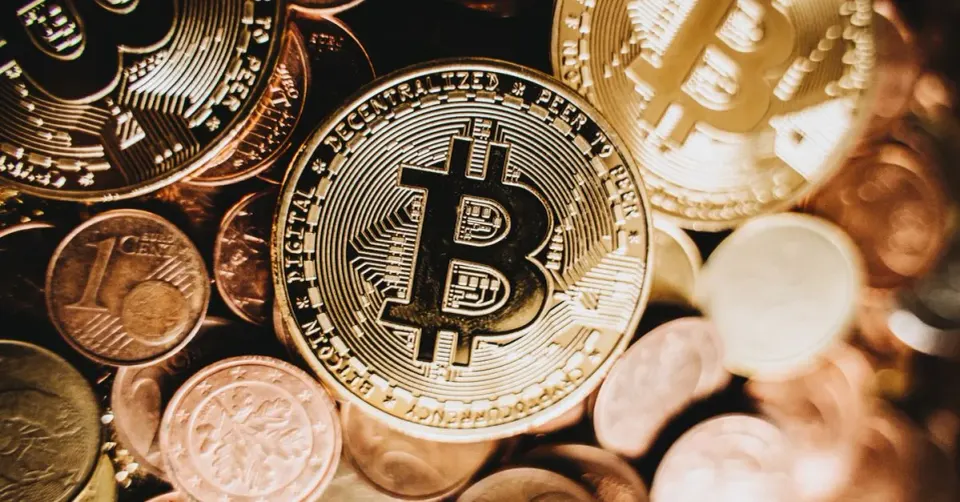
In the cryptocurrency space, Bitcoin (BTC) saw significant volatility, trading around $81,555 at the close of the week. Major outflows were reported from spot Bitcoin ETFs, signaling a potential cooling of investor enthusiasm for these products. The SEC also flagged 'tokenization' as a high-risk area for future market examinations, suggesting increased regulatory scrutiny in the digital asset space.
---
Why This Matters: Geopolitics and Market Sentiment
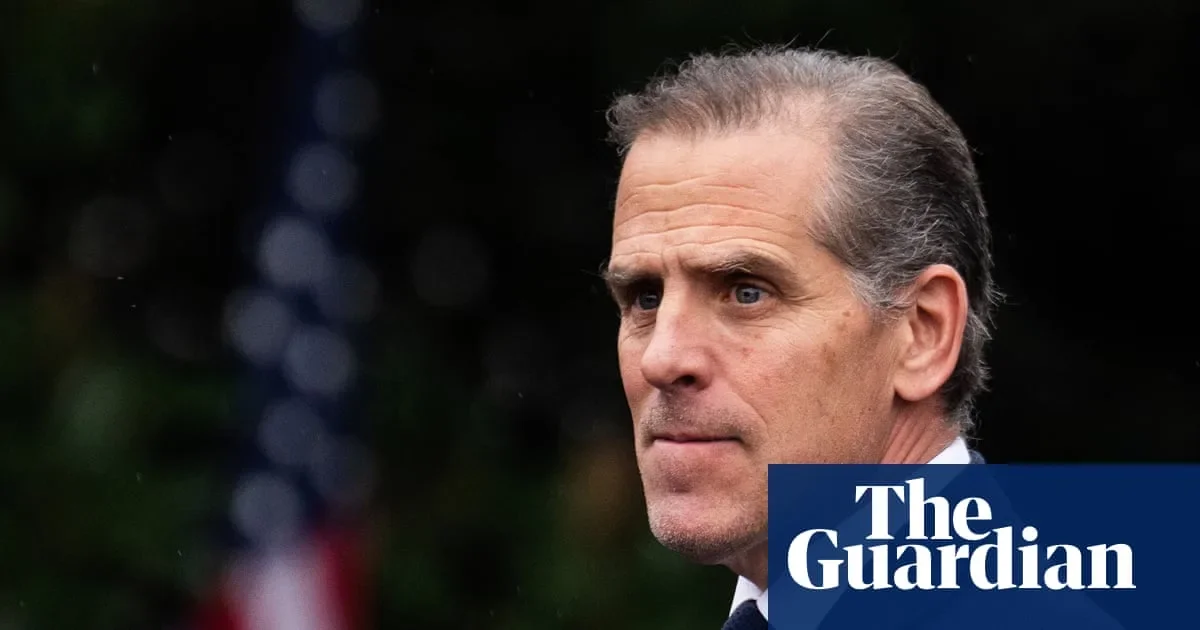
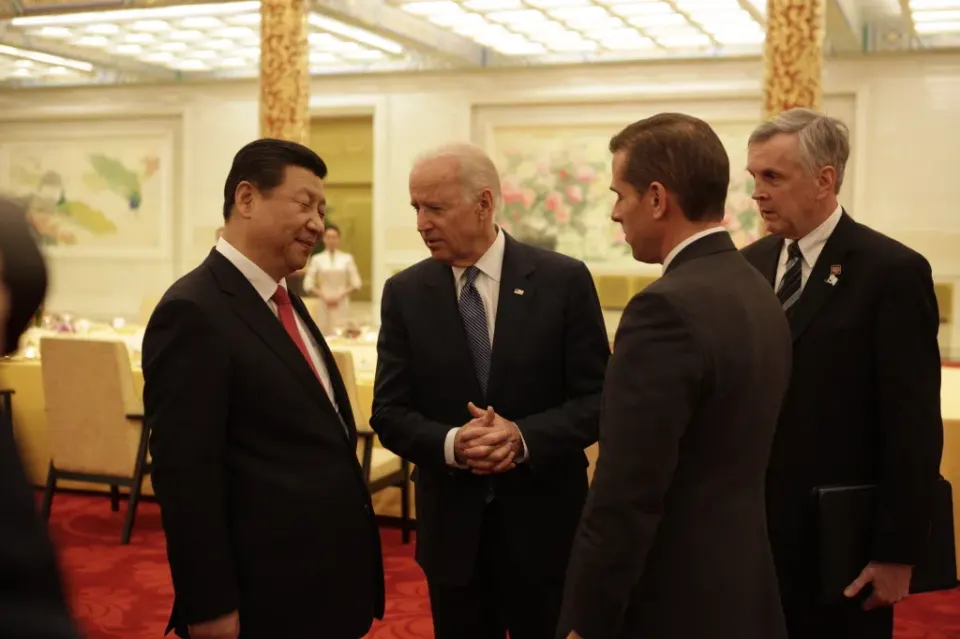
A significant development that rippled through global markets was the charging of two former FBI officials with lying about their investigation into Hunter Biden's laptop. This news, breaking late in the week, injects a dose of political uncertainty into an already fragile global economic environment. While the direct impact on Iranian markets might be indirect, such developments often influence global risk appetite, potentially leading to capital flight from emerging markets or a general 'risk-off' sentiment that can affect currency and commodity prices.
Furthermore, ongoing geopolitical narratives, such as the continued restrictions on Ukraine's use of Starlink satellites, as reported by Ukrainian officials despite claims from former US President Trump, underscore the persistent instability in Eastern Europe. Such conflicts, even indirectly, contribute to global energy market jitters and can spill over into broader market sentiment, affecting investor confidence worldwide. The SEC's focus on tokenization also signals a growing trend towards regulatory oversight in the burgeoning digital asset sector, which could have long-term implications for crypto adoption and investment.
---
The Bigger Picture: Global Economic Crossroads
Globally, the market is at a crossroads. News of significant outflows from Bitcoin ETFs and the SEC's cautious stance on tokenization suggest that the euphoria surrounding digital assets might be tempering, giving way to a more cautious, regulation-aware approach. This shift, coupled with the persistent political uncertainties emanating from the US and ongoing geopolitical flashpoints, creates a complex environment for investors.
For Iranian readers, the relative stability of the Toman this week is a welcome, albeit potentially temporary, reprieve. However, the underlying global economic currents—inflationary pressures, geopolitical risks, and evolving regulatory landscapes in digital assets—remain strong. The market will be closely watching the fallout from the US political developments and any further regulatory signals from bodies like the SEC, as these will undoubtedly shape global risk appetite and, consequently, the performance of assets like gold, crypto, and even the Toman in the weeks to come. The upcoming period requires vigilance, as the interplay between political events and economic fundamentals is likely to dictate market direction.
Frequently Asked Questions
Why did the Toman remain relatively stable this week despite global uncertainties?
What is 'tokenization' and why is the SEC flagging it as high-risk?
How might the charges against former FBI officials impact Iranian markets?
Are outflows from Bitcoin ETFs a sign of a major Bitcoin crash?
Exchange Rate Regimes – How Countries Manage Their Currency Values
An exchange rate regime is the set of rules a country follows to determine how its currency is valued against foreign currencies. The three broad categories are fixed (or pegged), managed (or dirty float), and floating. In a fixed regime, the central bank commits to keeping the exchange rate at a set level, often by buying or selling foreign reserves. A managed regime allows the rate to fluctuate within a band, with occasional interventions to smooth volatility. A floating regime lets market forces of supply and demand set the price, with the central bank stepping in only in extreme cases.
Iran’s experience with the toman (IRR) illustrates the challenges of a managed float under heavy sanctions and macro‑economic pressure. Official rates set by the Central Bank often diverge sharply from the rates on the black market, creating multiple exchange rates for the same currency. This divergence reflects limited foreign‑exchange reserves, political risk, and the need to subsidize essential imports. When the official rate is over‑valued, it can lead to shortages and inflation, while an undervalued rate can boost exports but raise the cost of imports.
Why does this matter for investors and ordinary citizens? Exchange‑rate volatility directly affects the price of imported goods, the cost of foreign debt, and the real return on assets like gold or cryptocurrencies. For example, a sudden devaluation of the toman can cause the local price of gold to surge, as people seek a store of value that is less sensitive to currency swings. Similarly, the emergence of a Bitcoin ETF in the U.S. offers a way for investors to hedge against domestic currency risk without holding the cryptocurrency directly.
Policymakers face a trade‑off: maintaining a stable official rate can support price stability and public confidence, but it may deplete reserves and fuel a black‑market premium. Conversely, allowing the market to set the rate can improve transparency but may cause short‑term pain through higher inflation. Understanding the type of exchange‑rate regime a country employs helps predict how it will react to external shocks, such as geopolitical tension or global financial turbulence.
For a deeper dive, explore the resources below, which cover the theory of exchange‑rate regimes, Iran’s specific situation, and the broader implications for global investors.